
The AI boom is running straight into a simple truth: no electricity, no revolution. As data centers multiply and demand surges, the country that can power the machines will have the edge, and that makes energy policy part of the AI fight, not a side note. China understands that reality, which is why the race is as much about watts and infrastructure as it is about algorithms.
President Donald Trump’s push to keep data centers moving is rooted in that hard reality. Walking away from this buildout would hand a huge advantage to Beijing and slow America’s momentum in a field that touches everything from the economy to national security. In a competition this large, hesitation is not neutral, it is surrender.
Artificial intelligence is already changing the global balance of power, and the stakes are staggering. The country that leads in AI can capture enormous wealth, shape military tools, and influence international affairs for years to come. That is why electricity supply is turning into a strategic asset, not just a utility bill.
Data centers do not run on hype. They need enormous amounts of power to train and operate advanced models, and their appetite keeps growing fast. They already consume a meaningful share of U.S. electricity, and that demand is expected to rise sharply over the rest of the decade.
That leaves the country with a blunt problem: the grid has to keep up. New gas turbines and other big generation projects can take years before they are ready, while the AI sector needs power now. The gap between those timelines is where policy can either help or strangle progress.
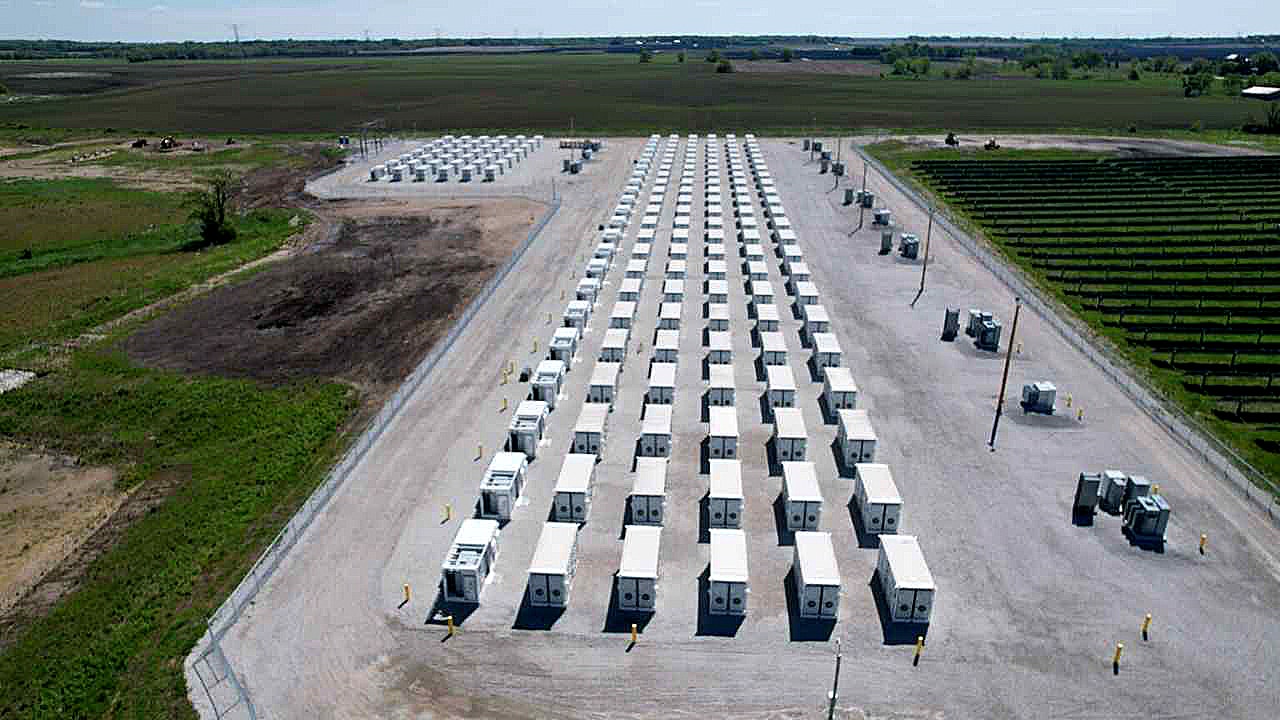
Solar and battery storage are gaining attention because they can move faster. They are not a magic wand, but they can be deployed much more quickly than many traditional power projects, which makes them useful for the immediate surge in demand. In a world where speed matters, that flexibility has serious value.
Solar used to be sold mostly as a climate cause, often with little concern for cost or supply chains. That old argument misses the point in today’s environment, because the conversation is no longer just about being “green.” It is about building strength at home and reducing dependence on foreign suppliers that do not have America’s interests at heart.
The shift is especially important because China has long dominated parts of the clean-energy supply chain. If the United States keeps importing the key pieces while talking about resilience, the country ends up exposed in exactly the area that is supposed to make it safer. Real energy security means making more of those components here.
The Trump administration has leaned into that idea by backing more domestic battery production and storage capacity. Projects like battery builds in Puerto Rico show how storage can support the grid and provide backup power when outages hit. That kind of investment strengthens reliability while also supporting American technology and manufacturing.
There is also a growing case that the domestic solar industry can be part of a broader industrial comeback. Billions have gone into building supply chains here at home, and some production has already returned after years of drifting overseas. That matters because every step away from dependence on foreign parts gives the U.S. more control over its own future.
Battery storage has become a bigger piece of the puzzle too, especially as it helps push solar beyond midday use. With more storage, power gathered in daylight can still support homes and businesses later in the day, when demand rises again. That makes the system more useful, more stable, and a lot more relevant to a modern economy that never really shuts off.
The broader point is pretty clear: the United States needs an all-of-the-above strategy that rewards speed, resilience, and domestic production. Solar, batteries, and other new power sources are not just environmental talking points anymore, they are part of the infrastructure that will decide who leads in AI. In a world where power equals leverage, America cannot afford to be shy about building it.
That is where the fight gets real, because the same grid that lights up homes also fuels the data centers shaping the next era of technology. The countries that move fastest on power will shape the terms of competition, and the ones that drag their feet will be left reacting to someone else’s lead. The pressure is on, the capital is moving, and the buildout is already underway.
