
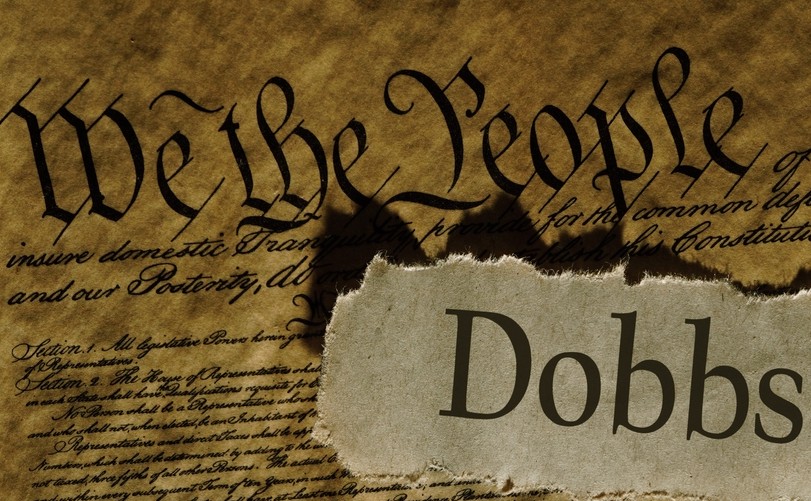
On the anniversary of Dobbs, the National Abortion Federation released a statement pushing for unrestricted abortion through pregnancy and branded pro-life advocates as ‘extremism’; this piece responds to that move, lays out the stakes for unborn life and conscience, and argues why commonsense limits and state protections matter in the months ahead.
Timing matters. Marking the Dobbs anniversary by demanding abortion through birth is not a neutral policy choice, it is a political posture meant to pull the debate to the left and intimidate opponents. The NAF statement tries to frame the argument as moral clarity, but the demand for no limits at any stage ignores the real ethical and medical questions most Americans wrestle with. Calling those with different views ‘extremism’ is a cheap rhetorical trick designed to shut down debate rather than engage it.
Millions of Americans voted and advocated for pro-life protections because they believe human life deserves protection at all stages. This belief is rooted in a moral view that counts every human life and recognizes that unborn children are not political props. It is also grounded in a concern for women who deserve safe, dignified care and honest information about alternatives like adoption and support services. Reducing that stance to a label like ‘extremism’ is an attempt to erase sincere, deeply held convictions.
Policy has consequences. A platform that insists on unrestricted abortion through birth makes it harder to find compromise on commonsense measures like parental notification, protections for infants born alive, and limits on late-term procedures except where mothers face clear medical emergencies. Reasonable rules do not mean cruelty; they mean balancing competing goods, including the protection of vulnerable life and the empowerment of women facing hard pregnancies. Legislatures and voters in states across the country are still deciding where that balance should be drawn.
There is also a matter of credibility. Organizations that push the absolutist position risk alienating moderate voters and energizing those who want legal structures that protect life. Political messaging that demonizes opponents rarely convinces undecided voters. It does, however, sharpen political coalitions and can drive more citizens into the pro-life camp who feel their views are being caricatured and silenced.
On the practical front, pro-life advocacy has shown it can translate moral clarity into policy and services that help women and children. Crisis pregnancy centers, adoption agencies, and faith-based charities are providing real support and alternatives that often go unreported. Highlighting this work undercuts the narrative that ending abortion requires punishing or stigmatizing women. The goal for conservatives is to expand help and choice in favor of life, not to criminalize women who face desperate situations.
Looking ahead, conservatives and pro-life voters should press for smart, compassionate policies that protect unborn life while supporting mothers and families. That means pushing for better maternity care, stronger mental health services, and economic supports that make raising a child feasible. It also means being vocal at the ballot box and in local legislatures so outcomes reflect the will of communities, not the slogans of advocacy groups seeking to nationalize an extreme position.
This debate will keep playing out in courts, statehouses, and everyday conversations. If Americans want a voting majority that respects both the dignity of life and practical support for mothers, they need to keep engaging, organizing, and making the case for balanced, humane policies. The stakes are too high to retreat into labels and slogans while the unborn have no voice of their own.
