
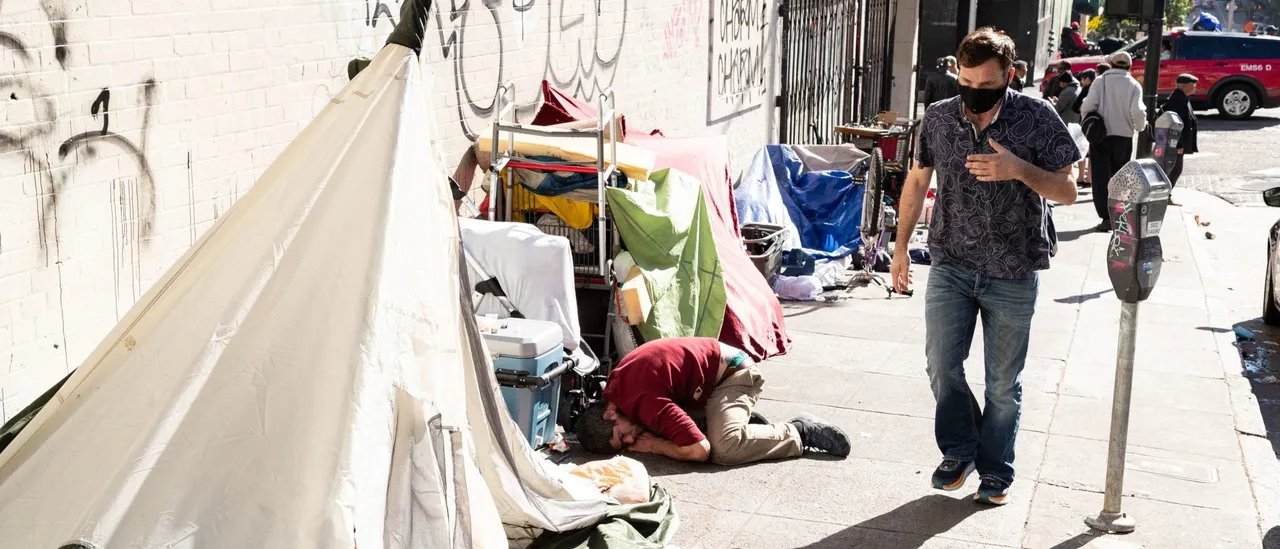
President Donald J. Trump has recently taken a bold step by signing an Executive Order titled “Ending Crime and Disorder on America’s Streets.” This marks a significant shift away from the federal Housing First policy, which has been criticized for its ineffectiveness over the past decade. The policy change aims at addressing the complex issues of homelessness by focusing on recovery, dignity, and public safety.
Housing First was introduced during President Barack Obama’s administration, with the promise of ending homelessness in ten years by providing subsidized housing without addressing underlying issues. This approach, however, resulted in a 34% increase in homelessness, demonstrating its inability to tackle the root causes of the crisis. Many believe that the policy’s failure lies in its neglect of addiction, mental illness, and lack of supportive networks.
During my years as CEO of a program for homeless women and children, I witnessed firsthand how vital support systems are for recovery. A staggering 77% of our clients struggled with addiction, and 60% with mental health challenges. These statistics reflect broader issues in the homeless population, where 78% face similar struggles.
Simply providing a roof over someone’s head without addressing these deeper issues is negligent. A study in Boston revealed the grim outcomes of placing homeless individuals in housing without mandatory support services. Within five years, nearly half had died, and only 36% remained housed.
President Trump’s new directive prioritizes resources for programs that address addiction, mental health, and structural needs. This includes revising laws that hinder civil commitment and promoting assisted outpatient treatment for those unable to care for themselves. Additionally, funding will be directed to areas that enforce bans on open-air drug use and encampments.
The Executive Order builds on Trump’s previous efforts to combat the opioid crisis, expanding the focus to communal housing that encourages sobriety and purpose. Critics argue that this approach stigmatizes the homeless, but the rising death rates among this population demand a change in strategy. True compassion involves actively helping those who cannot help themselves.
Many homeless individuals suffer from anosognosia, a condition that impairs their awareness of their own illness. We must support them in making informed decisions. Compassionate solutions recognize the need for safety and community, offering a chance for growth and accountability.
Treatment-first models, such as civil commitment and judicial diversion courts, emphasize the value of every life. They assert that change is both possible and necessary for individual and societal well-being. The order stresses the importance of accountability within the homeless system itself.
Ensuring responsible use of taxpayer dollars is crucial, with funding linked to measurable outcomes. This will prevent further waste on ineffective programs, lifting the burden from the homeless and communities affected by rising crime and addiction.
For years, advocates like the Discovery Institute and I have worked towards this moment, understanding the failures of previous policies. These failures were not borne of malice, but from ignoring fundamental human needs like safety and community.
President Trump’s Executive Order marks a pivotal moment for homelessness policy, offering hope and a humane approach. However, this is not the end. It is the beginning of rebuilding a system that supports recovery and growth.
The dismantling of programs under Housing First left gaps in mental health and recovery infrastructure. Now, we must restore a system that addresses the whole person, not just their lack of housing.
Michele Steeb, founder of Free Up Foundation and author, shares insights from her experience leading a program for homeless women and children. Her work with the Discovery Institute’s Fix Homelessness Initiative continues to advocate for policies that promote healing and accountability.
