
Broadcast coverage of immigration enforcement can get oddly theatrical fast, especially when ICE is involved and the story gives critics a chance to turn a routine arrest into a moral panic. A recent airport detention in Seattle became the latest example, with the big networks leaning hard into language about chaos, distress, and outrage while barely pausing on the underlying visa violation and the enforcement itself.
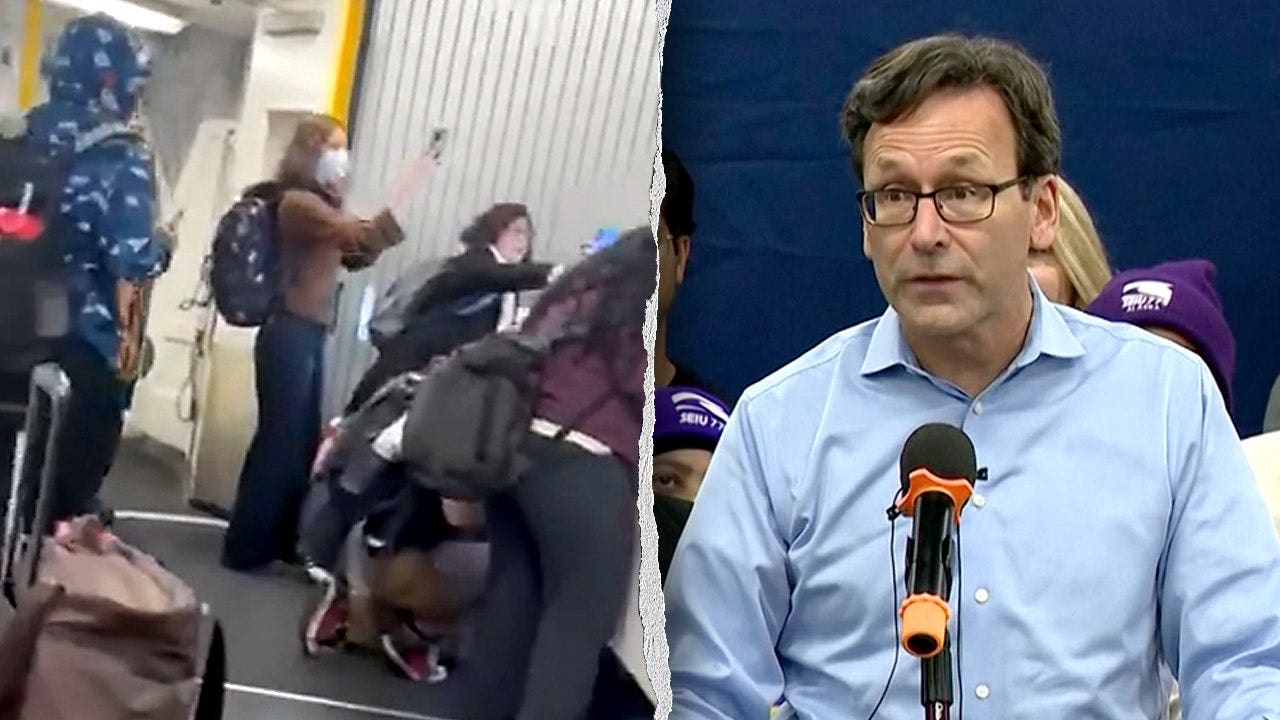
When federal agents moved in at Seattle-Tacoma International Airport, they were responding to a man who had reportedly overstayed his visa for more than a decade. The scene escalated after his daughter allegedly threw hot coffee on officers, and the pair was stopped before boarding a flight to Los Angeles. That should have been the core of the story, but the TV coverage quickly shifted into a familiar script centered on ICE as the villain and the detainees as victims.
That script has been building for years. Coverage of immigration enforcement often gives wall-to-wall attention to the emotional angle, while the actual reasons for the arrest get pushed to the side, especially when the people involved are seen as useful for anti-enforcement messaging. The result is a lopsided picture where the agency is treated like the scandal and the alleged lawbreaking fades into the background.
The Seattle arrest also stirred up the usual chorus from politicians and activists who want ICE painted as cruel no matter what led to the detention. Washington Gov. Bob Ferguson blasted the operation in dramatic terms and urged airline officials to push ICE out of airports. That kind of reaction gives broadcasters a ready-made soundbite, and they rarely resist the temptation to run with it.
Network anchors and correspondents leaned on loaded descriptions that framed the incident as disturbing and traumatic, as if the central problem were the arrest itself rather than the immigration status of the passengers. The wording matters because it sets the tone before viewers even hear the facts. If a report starts with “chaotic” and “distressing,” the audience is already being steered toward one conclusion.
That’s where the broader media pattern becomes impossible to ignore. Stories involving illegal immigration can get treated like a morality play, with ICE cast as the heavy and enforcement actions treated as evidence of a larger abuse. At the same time, crimes committed by illegal immigrants or obstruction by protesters often receive far less attention, or none at all.
The imbalance shows up in what gets emphasized and what gets skipped. A serious enforcement story should ask basic questions about immigration status, the legality of the arrest, and the safety concerns for officers on the scene. Instead, the broadcast version often focuses on feelings, outrage, and political backlash, which makes the story sound more like a campaign ad than a news report.
Seattle also highlighted how quickly a local incident can be nationalized when it fits a preferred narrative. Once the footage hit television, the discussion was no longer just about a jet bridge confrontation or a visa overstay. It became another round in the broader fight over immigration, Trump-era enforcement, and whether federal agents are allowed to do the job they were sent to do.
That is why these reports land so differently with viewers who are tired of the same polished outrage cycle. The facts are not complicated, even if the commentary tries to make them feel that way. A visa overstayer was detained, officers were challenged, and the media response did what it so often does, turning enforcement into the offense and the offense into background noise.
