
Hollywood keeps reaching back into the same treasure chest, polishing up familiar titles while audiences watch the magic fade a little more each time. The new wave of remakes, reboots, and spinoffs is driven by brand recognition on one side and ideology on the other, and the result is a steady stream of projects that feel less like fresh storytelling and more like expensive recycling.
The pattern is impossible to miss. James Bond is getting another turn, HBO is building a new Harry Potter series, and the studio machine is also dusting off Narnia and The Birds. These are not obscure titles waiting for discovery. They are giant pieces of pop culture that already had their moment, and now they are being dragged back out because Hollywood cannot seem to trust anything unless it comes wrapped in a name everyone already knows.
That alone would be enough to frustrate moviegoers, but the deeper problem is how these projects are being handled. The complaint is not just that classic stories are being reused, it is that they are often being reshaped with modern political fashion in mind, even when that means roughing up the originals for no real gain. Fans notice when casting, character changes, and tone seem designed to provoke headlines instead of earn applause.
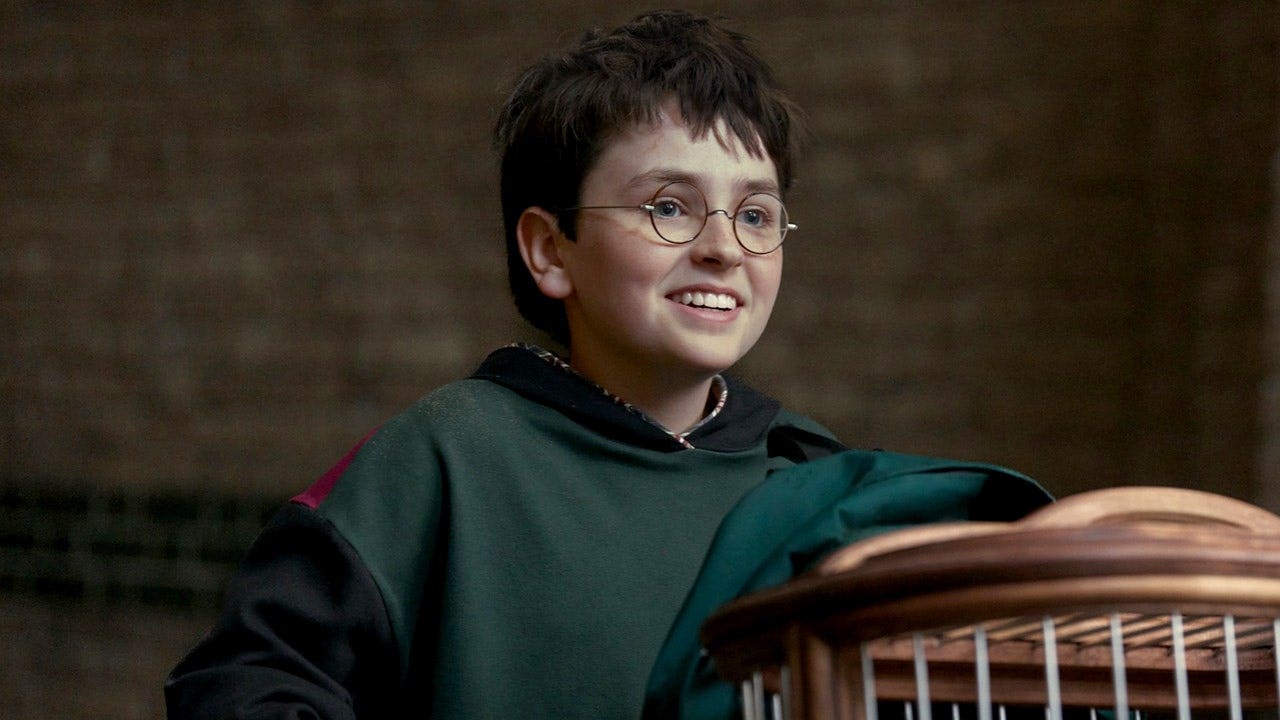
The new Harry Potter series has already run into that problem before really getting off the ground. One of the loudest reactions has centered on race-swapping Severus Snape, a move that instantly turned attention away from the story and toward the culture war. When a franchise is famous for rich characters and a deeply specific world, those kinds of choices can feel less like creative evolution and more like a deliberate jab at the source material.
Narnia brings its own storm. Casting Meryl Streep as the voice of Aslan has raised eyebrows because Aslan is not just any lion, but a male figure with clear symbolic meaning in the books. When a story built around that symbolism gets altered for the sake of a fashionable update, it stops being a faithful retelling and starts looking like a lecture in costume.
Then there is The Birds, another example of a studio chasing a classic name while changing the formula that made it memorable in the first place. A new female protagonist may sound harmless on paper, but when a filmmaker takes on Hitchcock, the standard is not “good enough.” The standard is towering. Anything less than sharp, suspenseful, and purposeful just makes the comparison sting harder.
The real engine behind all this is a blend of greed and ideology. Studios love owning recognizable intellectual property because it lowers the risk of launching something new, and activists inside the business love using those same franchises to signal virtue and update old stories. Put those forces together and the audience gets fewer original ideas, more brand extensions, and a lot of lectures disguised as entertainment.
This is why the modern franchise machine can feel so exhausting. Every hit becomes a universe, every universe becomes content, and every piece of content gets stretched across movies, shows, side stories, and endless tie-ins until the whole thing starts to feel like homework. The Marvel model showed how far that strategy can go before even loyal fans begin to lose the plot.
There is also a strange confidence in the belief that people will show up forever just because a title is familiar. That may work for a while, but audiences are not endlessly gullible. They know when a studio is betting on nostalgia instead of quality, and they know when a beloved story is being handed to people who seem more interested in messaging than craftsmanship.
Hollywood used to understand that the point of a sequel or remake was to add something worthwhile, not to apologize for the original or reshape it into something safer for social media. The best follow-ups build on what came before without erasing it. When that balance is lost, the result is not reinvention, but a hollow imitation wearing the right logo.
The bigger fear is that this habit will keep spreading until nearly everything gets turned into another round of recycled content. Classic films, old novels, and once-great franchises are all fair game now, and the industry acts as if the past is just raw material to be mined again and again. For viewers who still want originality, that leaves a shrinking patch of ground and a lot of same-looking projects crowding the horizon.
