
Thanksgiving did not arrive fully formed with a neat little bow on top. It took years of pressure, persuasion, and plain stubbornness before it became the holiday most Americans recognize today.
Before it became a national ritual, Thanksgiving lived in a messy space between tradition, politics, and culture. The road from scattered observances to an official holiday runs straight through the influence of Sarah Josepha Hale, the turmoil of the Civil War, and Abraham Lincoln’s decision to put the weight of the presidency behind the idea.
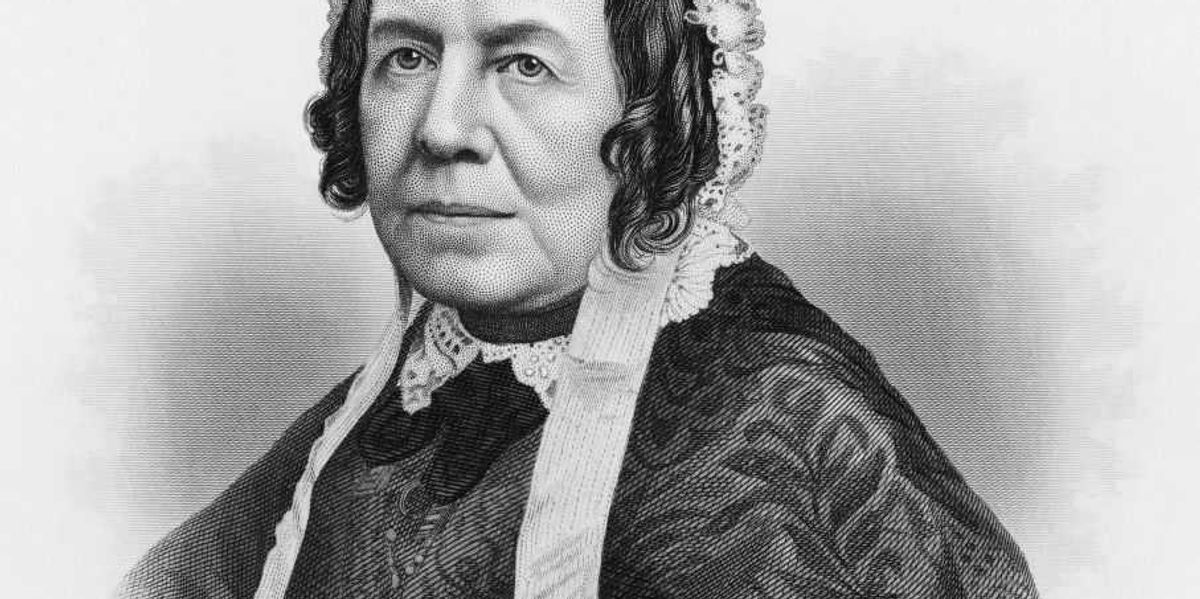
Hale was relentless. For years, she used her platform to push the case that the country needed a shared day of gratitude, something bigger than local custom and separate from region or party.
That push mattered because America was still figuring itself out. Different states marked the season in different ways, and there was no guarantee anyone in Washington would care enough to elevate a domestic tradition into a national one.
Hale did more than make a suggestion from the sidelines. She treated the holiday as a civic tool, something that could help knit together a fractured nation by giving people one common pause in the calendar.
Then came the Civil War, and the stakes changed fast. In a country tearing itself apart, a day of thanks could feel almost impossible, or exactly necessary depending on how you looked at it.
Lincoln understood the power of symbolism. His proclamation of a national Thanksgiving did not magically heal the country, but it gave Americans a shared moment to reflect, gather, and look beyond the bloodshed for a breath.
That is part of why Thanksgiving’s history feels so American. It was not handed down as a polished tradition from some distant authority. It was argued into existence by people who understood that culture can be shaped, not just inherited.
The holiday’s roots also remind people how much old-fashioned activism still matters. Hale kept pressing because she believed ideas could outlast indifference, and she was right. A determined voice, repeated long enough, can move even a country as large and scattered as the United States.
There is also something fitting about Thanksgiving being tied to persistence. The holiday is often imagined as warm and effortless, but its path was anything but easy. It took repeated asks, political timing, and a president willing to say yes when the country needed more than arguments and battle reports.
Lincoln’s role gave the holiday authority, but Hale’s role gave it momentum. That combination is what turned a personal conviction into a national observance, and that’s a pretty good reminder that history often depends on both conviction and timing.
Even now, the holiday carries traces of that struggle. Families may focus on food, football, and the annual chaos of travel, but beneath all that sits a tradition born from civic pressure and the belief that Americans needed one day to stop, breathe, and recognize what still held them together.
