
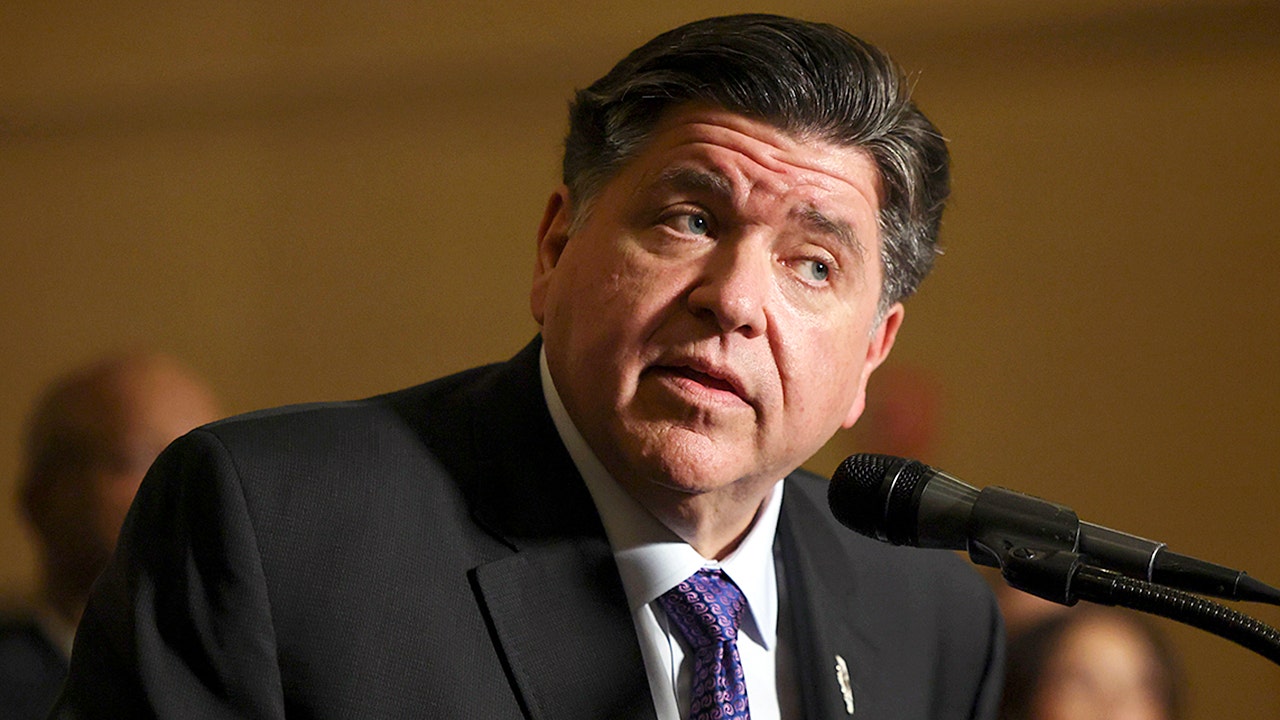
Illinois Gov. JB Pritzker is catching heat after choosing to keep his state out of a federal scholarship tax credit program that aims to help families cover education costs. Critics say the move puts politics ahead of students, especially at a time when school choice and affordability are already front-and-center for parents across the country.
At the center of the fight is a program created under the One Big Beautiful Bill Act, signed by President Donald Trump, that gives taxpayers a federal tax credit for donations to scholarship-granting organizations. Those groups can then help families pay for private school tuition, tutoring, textbooks, and other education expenses, including some public school needs.
Pritzker framed his decision as a defense of public schools, arguing that the state should not steer resources toward private education. He also raised concerns that taxpayer money could support schools that discriminate based on religion, sexual orientation, or other traits, which sharpened the debate even more.
Supporters of the program say that description misses the point. They argue that the credit does not raid public school budgets, since it is tied to federal tax dollars and private donations rather than a direct cut to state education funding.
Sydney Altfield, CEO of Teach Coalition, said the governor’s decision hurts families who could have benefited from the scholarship money. She also argued that Illinois residents can still claim the tax credit, which means donations may now flow to students in other states instead of staying with Illinois families.
Altfield estimated that more than $2 billion in scholarship money could have remained in Illinois if the state had opted in. That kind of money, she said, could have eased pressure on working parents trying to cover childcare, after-school programs, and basic school costs that keep piling up month after month.
The argument over the program has also turned into a larger fight over how it should be labeled. Pritzker called it a voucher, but Altfield pushed back hard on that, saying the program is not a voucher at all and does not pull a single dollar from public schools.
Instead, she said, the program simply gives taxpayers a reason to direct their federal tax dollars toward scholarships that can help both private school and public school students. In her view, that makes it a broader education tool, not a special giveaway for one side of the school system.
The political split around the issue is hard to miss. Colorado Gov. Jared Polis, New York Gov. Kathy Hochul, and New Mexico Gov. Michelle Lujan Grisham opted their states into the program, joining a long list of Republican governors who did the same.
That bipartisan mix is what makes Pritzker’s refusal stand out to advocates. Altfield said it was disappointing to see the governor leave families on the sidelines when other blue-state leaders decided to take the program seriously and let parents decide whether it could help them.
The issue is also landing at a time when cost-of-living pressure is hitting households from every direction. For parents juggling work, childcare, and school expenses, even modest help can matter, especially when the margin between getting by and falling behind is razor thin.
Teachers are part of that picture too, since many already spend their own money on classroom supplies. Advocates say scholarship dollars can ease some of that strain by helping students show up prepared and giving families a little breathing room in a system that keeps asking for more.
For now, the divide in Illinois is clear. Pritzker is betting on a public-school-first message, while supporters of the tax credit are arguing that families should not be boxed out because of partisan instincts.
