
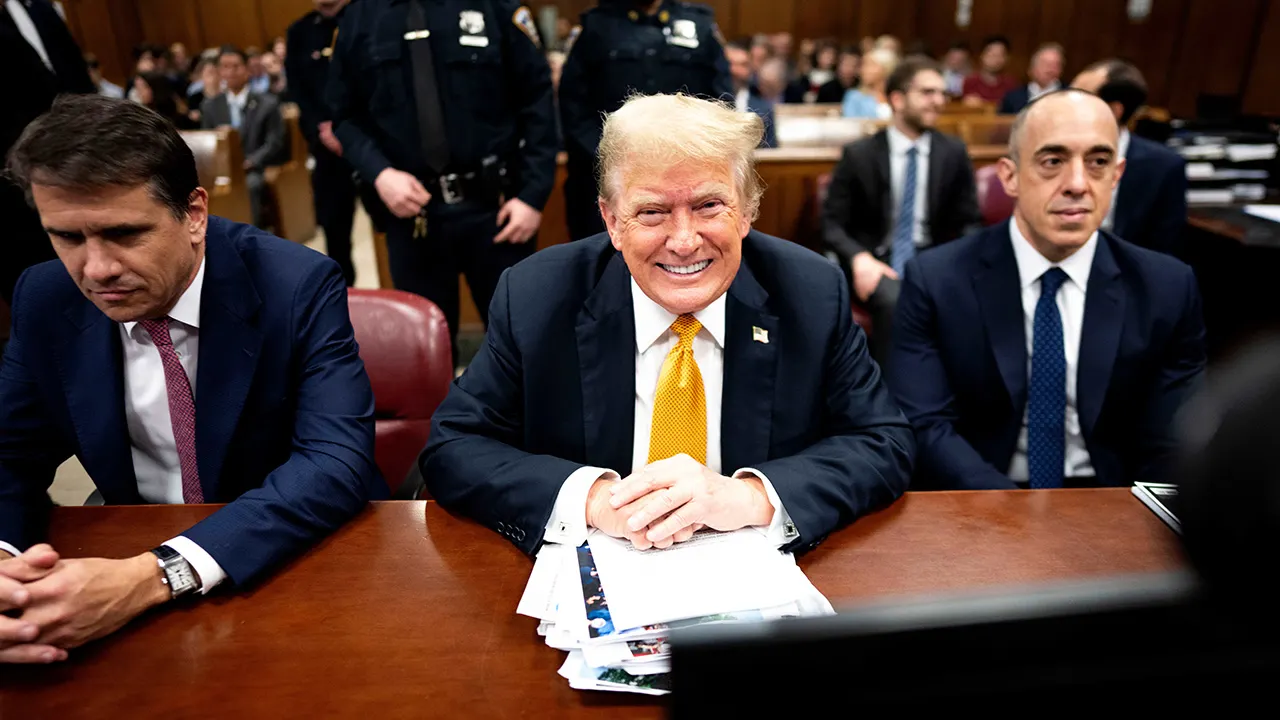
Here’s the crux of it: Trump scored a fresh win in the fight over his New York hush money case, the appeals court reopened the door to moving the case into federal court, and that could put the conviction on shakier ground. The dispute now shifts to a federal judge who must sort out whether the case belongs in state court at all, while prosecutors and Trump’s team keep digging in for the next round.
A federal appeals court just gave President Donald Trump a meaningful break Monday, reviving his push to pull the New York hush money case out of state court. The move matters because Trump is still pressing an argument that the conviction should be tested under presidential immunity rules, and that fight is far from dead.
The 2nd U.S. Circuit Court of Appeals said an earlier ruling by the late U.S. District Judge Alvin Hellerstein was wrong when it turned down Trump’s second try at transfer. Hellerstein had rejected the request in August, but the appeals panel said the legal analysis missed the mark.
The case itself came from the reimbursement arrangement involving Trump’s former lawyer Michael Cohen, who paid Stormy Daniels $130,000 before the 2016 election. Prosecutors said the money was tied to a hush agreement meant to keep Daniels from going public with an alleged past encounter with Trump, something Trump has denied for years.
In May 2024, a jury found Trump guilty on 34 felony counts of falsifying business records. He was later sentenced in January 2025 to an unconditional discharge, which meant no prison and no fine, though the conviction stayed on the books.
That detail is why this latest ruling has so much weight. Trump has kept arguing that the legal environment changed after his first effort to move the case, especially once the Supreme Court issued its July 2024 immunity decision.
According to his lawyers, Manhattan prosecutors relied on evidence tied to Trump’s presidential conduct during the trial, and they say that evidence should have been off limits after the high court’s ruling. His legal team also warned that keeping the case in New York could slow any path to the Supreme Court and leave Trump waiting a long time for final review.
The three-judge panel said it agreed with Trump on the central procedural point. Judges Raymond J. Lohier Jr., José A. Cabranes, and John M. Walker Jr. said the district court got two things wrong, including the idea that a federal official cannot seek removal after conviction and the conclusion that Trump lacked good cause for a second notice of removal.
The judges did not issue the full opinion yet, but they said it would come later. For now, the ruling forces the next step back onto the desk of U.S. District Judge Lewis J. Liman, who took over the case after Hellerstein died.
That puts the jurisdiction fight front and center. The appellate panel also asked New York courts to pause further proceedings while the federal question gets worked out, which means the state case is sitting in limbo while the bigger legal battle plays out.
Manhattan prosecutors had argued that Trump was dragging things out on purpose, first testing immunity arguments in state court and only turning to transfer once he thought the case might go against him. They also insisted that a case about falsifying business records tied to a personal payoff had nothing to do with official presidential duties.
If Liman agrees to move the matter, the federal court would take over the conviction and then face the question of whether it has to be wiped out under the Supreme Court’s immunity framework. Even then, the underlying charges would still be New York state offenses, so a presidential pardon would not be in play.
That leaves the legal pressure squarely on the courts and on the conviction itself. Trump’s team sees a path to undoing at least part of what happened in Manhattan, while prosecutors are fighting to keep the case anchored where it started, and the next ruling could reshape the whole fight.
