
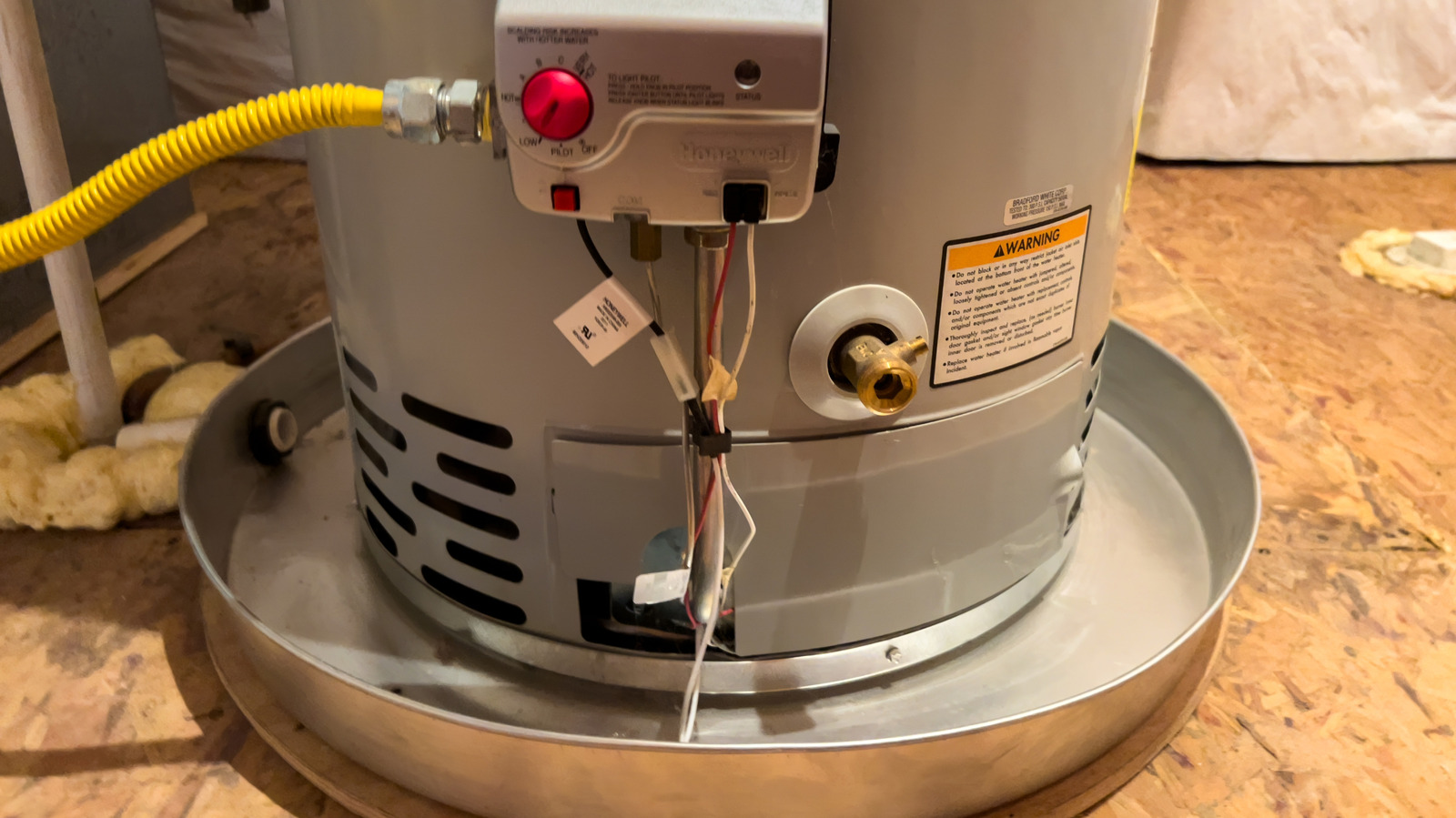
- FVIR safety features on older gas water heaters
- Why flammable vapors create a serious hazard
- How to tell whether a unit has FVIR protection
- Why FVIR cannot be added as a simple upgrade
- How gas and electric water heaters differ in safety design
Older water heaters can look harmless enough sitting in a basement or utility closet, but some of them are missing a protection that matters a lot when gas is involved. If the unit was built before July 1, 2003, there is a real chance it does not meet the modern safety standard for gas models. That missing safeguard is FVIR, short for Flammable Vapor Ignition Resistance, and it was created to help keep a dangerous situation from turning into a fire.
The idea behind FVIR is simple, even if the engineering behind it is not. Gasoline and other flammable liquids give off vapors that can drift through the air, and if those vapors reach an ignition source, trouble can start fast. A gas water heater pulls in surrounding air for combustion, which means it can also draw in those vapors if they are nearby.
FVIR does not make flammable vapors disappear, and it does not magically make a careless storage setup safe. What it does is keep flames contained inside the unit instead of letting them escape outward. That design matters because a water heater is often tucked into a spot where people do not think about risk until something has already gone wrong.
Checking for FVIR protection is not always as easy as spotting a label on the front of the tank. Different manufacturers build their systems differently, so the signs can vary quite a bit from one brand to another. Some units have side-mounted air intakes, while others use openings near the bottom, which can make a quick glance misleading.
The most reliable move is to look at the owner’s manual or contact the manufacturer or dealer for the model details. That can tell whether the unit was built with FVIR as part of its original design. Guessing based on appearance alone is risky, especially with older equipment that may have been installed years ago.
If a gas water heater does not have FVIR, that does not automatically mean disaster is waiting around the corner. It does mean the area around the unit deserves more caution, especially when gasoline, solvents, paint supplies, or other flammable products are in the mix. Keeping those materials away from the water heater is one of the simplest ways to reduce danger.
There is also a hard limit on what can be done with an older unit. FVIR is not something that can be added later with a quick upgrade kit, since it is built into the design from the start. In practical terms, that means a technician cannot simply bolt on the feature and call it done.
Because FVIR is part of the manufacturer’s setup, replacing the unit with a newer model may be the cleaner solution if safety is a priority. That can be especially true if the existing heater is aging anyway or showing signs that it may be nearing the end of its life. A newer design brings peace of mind that an older tank may not be able to offer.
Gas and electric water heaters do not face the same safety concerns. Electric models do not rely on a burner or pilot flame, so they are not exposed to the same vapor ignition risk that comes with gas equipment. Gas units can heat water efficiently, but that speed comes with added caution around combustion and airflow.
That difference is why the space around a gas water heater should never become a storage corner for anything flammable. A clean, clear area is more than just good housekeeping, because it lowers the odds that vapors will gather where they should not. With older equipment in particular, a small change in storage habits can make a big difference.
