
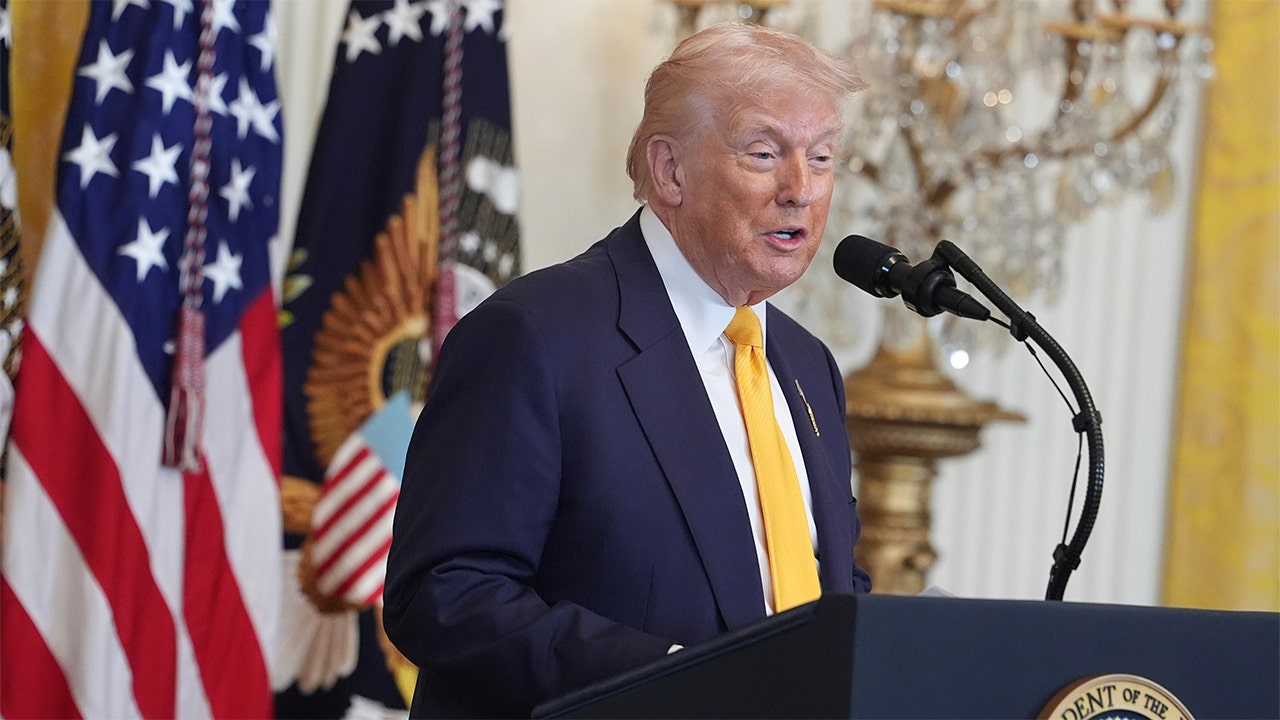
Trump’s immigration moment is being framed as a test of power, mercy, and political guts, with the core idea hanging on one blunt possibility: using the pardon power for a tightly defined group of illegal immigrants. The argument is that the border is already locked down, the tough enforcement phase has done its job, and the next move could be a narrow act of relief aimed at people who have built steady lives here.
That’s a big claim, and it lands because immigration has stayed stuck in the same ugly loop for years. There are millions of people in the country without legal status, but they are not all in the same bucket, and treating them that way has made the debate both cruel and useless.
The pitch here is not a sweeping free-for-all. It is a selective pardon, built to separate violent offenders and repeat lawbreakers from long-term residents who work, pay taxes, and have kept their heads down for years.
The logic is simple enough. If a president can close the border, then he can also choose to ease the pressure on a narrower group inside the country without pretending every case is the same. That is the kind of move that could shock Washington and still feel grounded in common sense to a lot of ordinary Americans.
The whole question turns on fairness, not slogans. Plenty of people who back strong border security also recoil when they see families torn apart over someone who has been here for a decade, has no violent record, and has children rooted in American life.
That tension is what makes the idea so potent. It doesn’t erase immigration law, and it doesn’t hand out citizenship through the side door, but it does acknowledge that hard enforcement can cross a line when it treats every person as interchangeable.
A narrow pardon would have to be drawn with care. The most obvious limits would exclude felons, violent offenders, and people who cannot show a long stretch of residence, steady work, or other proof that they have lived responsibly.
That kind of structure matters because a broad gesture would invite chaos and send the wrong signal. The point is to protect people who have become part of the fabric of their communities, not to suggest that breaking the law is suddenly a ticket to reward.
There is also a political angle that can’t be ignored. A move like this would almost certainly irritate the loudest hardliners, but the center of the country often reacts differently than the online world does, especially when the issue involves families, jobs, and children who are citizens.
The immigration fight has always been trapped between two equally bad instincts: do nothing, or act so aggressively that the public starts to feel the system has lost its humanity. A targeted pardon could break that stalemate by creating a third lane that is tougher than amnesty and smarter than mass deportation.
It would also force Democrats to show their cards. If they want a broader statutory fix later, they would have to negotiate in the open instead of hiding behind pure obstruction or throwing around labels that shut down every serious conversation before it starts.
What makes this especially interesting is that the president already has the border message on his side. The country watched the wall expand, the crossings fall, and the enforcement machinery get rebuilt, so the argument that the border is wide open no longer carries much weight.
That creates a rare opening for a president to use discretion in a way that feels bigger than one policy shift. A clean, limited pardon could become a defining act of judgment, one that says the law still matters, but so does discernment, and those two ideas do not have to fight each other forever.
The challenge is obvious: draw the line too wide and it looks like amnesty, draw it too tight and it changes nothing. Somewhere between those poles is a version that could protect families, respect the law, and still fit the mood of a country that wants order without cruelty.

2 Comments
which Reagen did which led to the mess after he left office
None that have ever been arrested, charged with a crime, or received public assistance of any kind in America should be considered.