
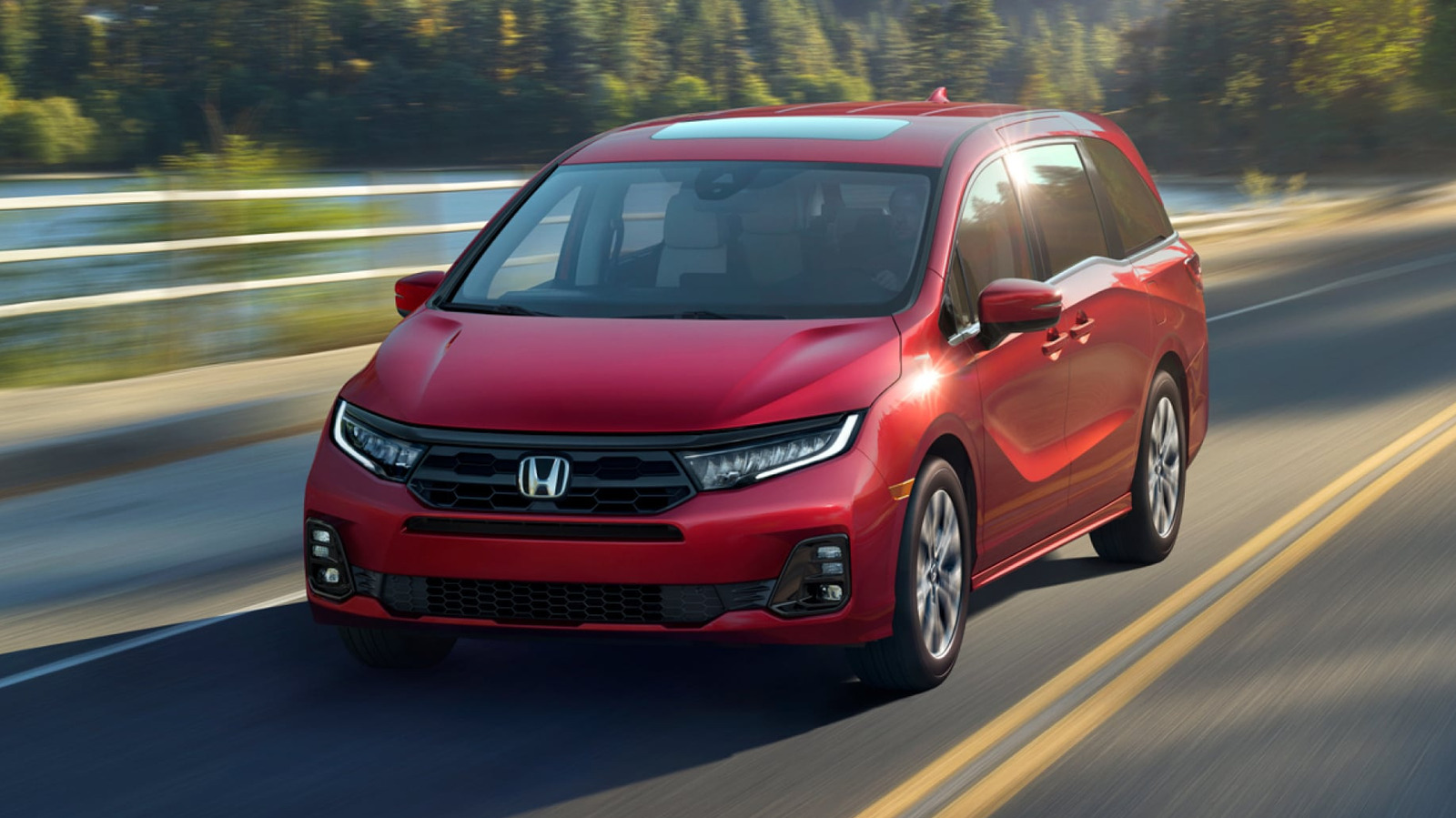
Family hauling can burn through fuel faster than expected, especially when school runs, errands, and road trips stack up. The Honda Odyssey remains a familiar name in the minivan world, but it is not the thriftiest choice at the pump. Three rivals stand out for delivering better mileage while still keeping the roomy layout and family-friendly gear that buyers want.
Among the strongest options is the Toyota Sienna, a minivan that leans fully into hybrid power and makes efficiency its calling card. Its front-wheel-drive setup is estimated at 36 mpg, while all-wheel-drive versions land at 35 mpg, both well ahead of the Odyssey’s 22 mpg combined figure.
That gap matters more than it sounds. Over long stretches of driving, the savings add up fast, and even a 1,000-mile trip can show a noticeable difference in how often fuel stops interrupt the day. The Sienna also keeps family comfort in the mix with seating for seven or eight, plus useful touches like rear window shades and three-zone climate control on certain trims.
The Kia Carnival Hybrid takes a different route by mixing minivan practicality with a shape that feels a little more SUV-like. Its hybrid version returns about 32 mpg combined, including an estimated 34 mpg in the city and 31 mpg on the highway, which gives it a healthy edge over the Honda.
That advantage only applies to the hybrid model, though, so the badge matters here. Kia also sells a V6 Carnival that manages just 21 mpg, which actually slips below the Odyssey. The hybrid version pairs a turbocharged gas engine with electric help, and it does all of that without needing to be plugged in.
Practicality is still part of the appeal. The Carnival Hybrid offers smart storage solutions for smaller items and 40.2 cubic feet of cargo room behind the third row, which is a strong selling point when all the seats are in use. That makes it a solid fit for families who want both better fuel economy and enough space for bags, sports gear, or grocery hauls.
The Chrysler Pacifica Plug-In Hybrid is the most flexible choice of the group if daily driving is fairly predictable. With a full charge, it can travel an EPA-estimated 32 miles on electric power alone, which may cover a good share of short commutes and school-day errands before gasoline even enters the picture.
Once the battery is used up, the Pacifica still keeps the fuel savings coming. As a hybrid, it is rated at 30 mpg combined, a clear improvement over the Odyssey’s 22 mpg, though that number drops out of the picture if the vehicle is not the hybrid version. That difference makes trim and powertrain details especially important when shopping used or comparing model years.
There is one catch worth keeping in mind with the Pacifica Hybrid: it is a discontinued setup for newer model years, since Chrysler moved on to a gasoline-only V6. That makes the older plug-in version the one to look for, especially if charging at home or work fits into the routine.
The big takeaway is simple: better mpg does not have to mean giving up the space and convenience that make a minivan useful in the first place. Whether the priority is a full hybrid, a stylish family hauler, or a plug-in setup with short-range electric driving, the alternatives can keep more cash in the tank and still handle the daily grind.
