
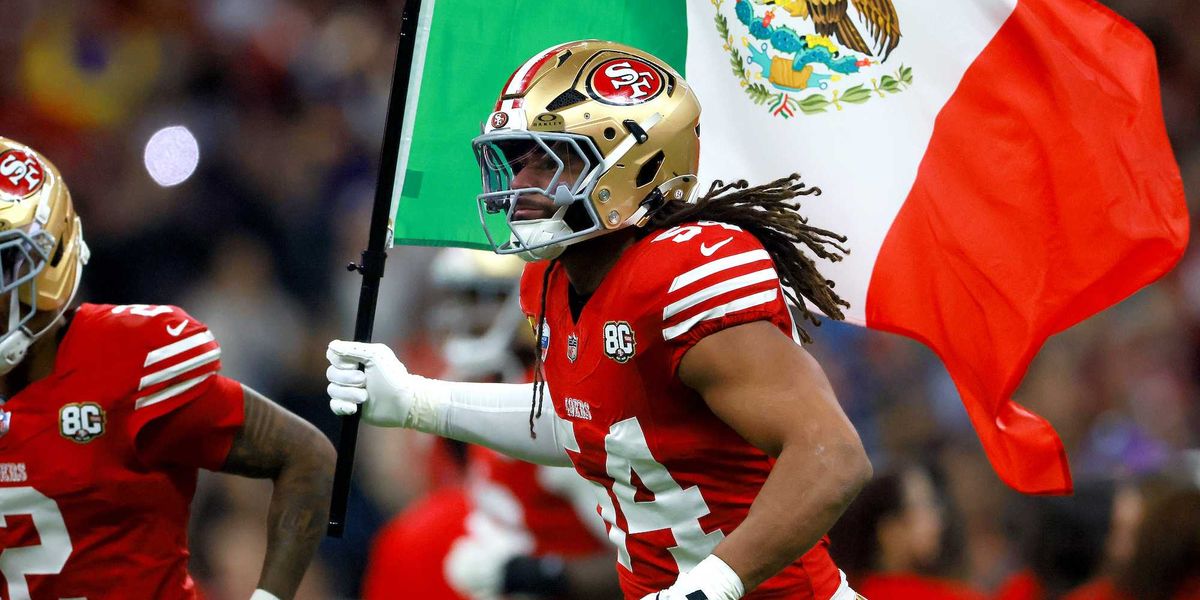
A postgame scene in Mexico sparked a wave of anger after members of the 49ers ran onto the field waving a Mexican flag, turning a routine sports moment into a flashpoint over loyalty, optics, and identity. The reaction spread fast because the image landed in a place where NFL branding, international fans, and American expectations all collided.
The crowd saw more than a celebration. For plenty of viewers, the sight of a U.S. team moving across a foreign field with that flag looked less like harmless excitement and more like a statement that rubbed against what they believe professional football should represent. The debate quickly shifted from sportsmanship to symbolism, and once that happens, the temperature usually climbs in a hurry.
Flag displays can carry real weight, especially when they appear in a setting loaded with national pride. In a neutral setting, it might have been brushed off as a moment of enthusiasm, but at an overseas game it took on a sharper edge and gave critics plenty to chew on. That is part of why the response got so loud, so fast.
Some fans saw the act as disrespectful to the home country atmosphere and to the American team identity tied to the league. Others argued that the moment reflected the growing global reach of the NFL and the reality that football now lives in more than one cultural lane at a time. Those two views do not meet in the middle very often, which is exactly why the backlash had so much fuel.
Mexico has become an important stop for the league, and those international games are meant to expand the sport while giving fans abroad a big-stage experience. But with that expansion comes a tighter spotlight on every gesture, every celebration, and every image that can be interpreted through a political or cultural lens. In this case, the flag waving became the whole story.
The anger was not just about one player or one team. It touched a broader nerve among people who think sports have drifted too far from simple competition and too close to social messaging, whether intended or not. That tension shows up again and again in modern sports, where a few seconds of footage can swallow an entire game.
It also raised a familiar question about how teams should handle moments that seem spontaneous on the field but land very differently once they hit social media. What feels like a quick celebration in the moment can look loaded, provocative, or even arrogant by the time clips start flying around online. Once that happens, the reaction often grows larger than the original act.
The episode added another layer to the ongoing conversation around the NFL’s image outside the United States. The league wants international growth, more fans, and bigger markets, but those goals come with cultural baggage that cannot be ignored when national symbols enter the picture. A single flag can mean pride to one group and provocation to another.
That is why this moment kept hitting a nerve long after the field cleared. It was not just about who ran where or what was held in the air for a few seconds. It was about how easily a sports celebration can turn into a public argument when national identity, professional athletics, and overseas optics all crash together at once.
