
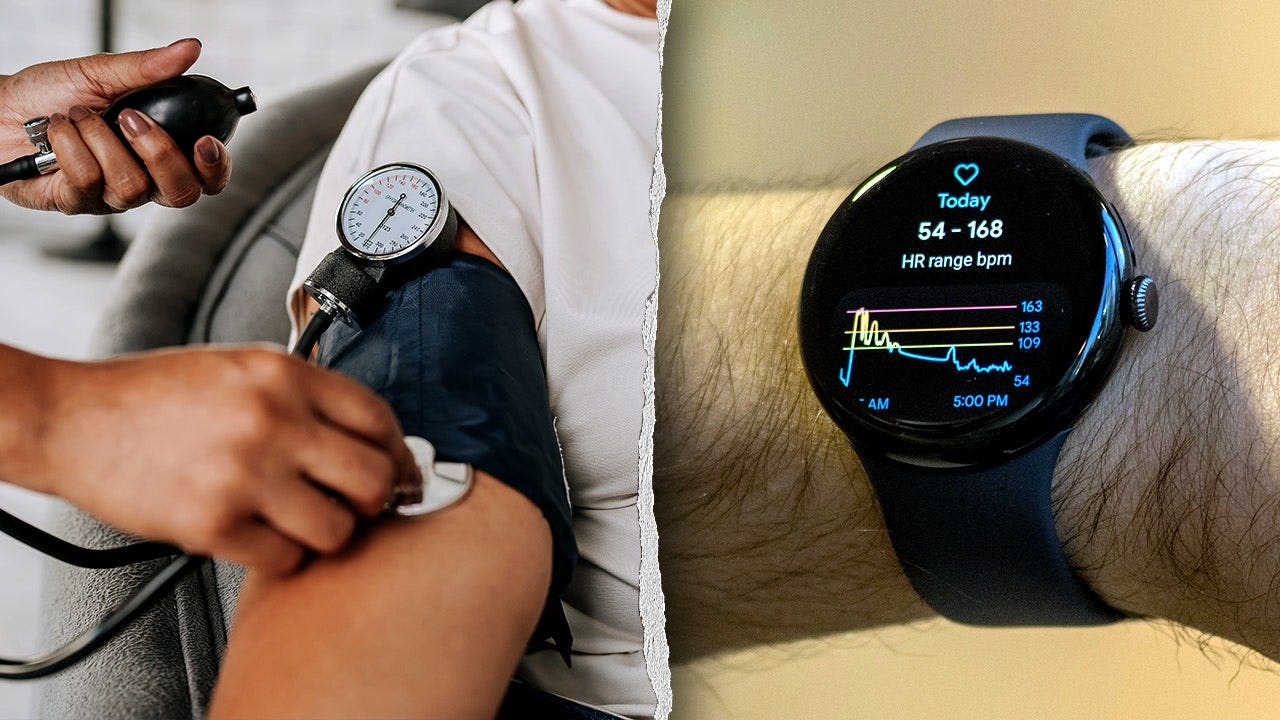
Google’s latest smartwatch research takes aim at one of the sneakiest health problems around, and it does it with sensors people already wear every day. The study shows how AI could spot signs of high blood pressure in the background, without a cuff and without much effort from the user. That idea is exciting, but the work also makes one thing clear: the tech is promising, not magic.
High blood pressure earns its “silent killer” reputation for a reason. Plenty of people go years feeling fine while the damage quietly builds in the background. That delay is exactly why any tool that can surface risk earlier gets attention fast, especially when it comes from a device that stays on the wrist from morning to night.
The basic concept behind Google’s system is simple enough to follow. Smartwatch sensors already track pulse and movement, and the new AI looks for patterns that may point to sustained hypertension. One sensor uses light to detect changes in blood volume under the skin, while the other picks up tiny motion signals tied to the heart’s pumping action.
What makes the approach interesting is the way those pieces are combined over time. Instead of spitting out a blood pressure reading like a cuff does, the system studies trends across several days and weighs them against a person’s height. That means the watch is not trying to replace the doctor’s office machine, but rather flag people who may need a closer look.
Researchers did not just guess and hope for the best. Google worked with medical researchers to train the model on a huge pool of smartwatch data, then tested it in a separate clinical study. Participants wore a consumer smartwatch for a week, and the results were compared with 24-hour ambulatory blood pressure monitoring, the kind of repeated cuff-based test doctors use to confirm hypertension.
The results are good enough to turn heads, but not good enough to declare victory. In the first screening pass, the AI correctly caught 65.8% of people with hypertension and correctly cleared 90% of those without it. For a consumer device, that is a real step forward, though the system still missed roughly one in three people who actually had high blood pressure.
That miss matters. A watch that gives a false sense of safety can be dangerous if people stop checking their numbers the old-fashioned way. Google’s study also found that office screenings identified 55.3% of people with hypertension, which is helpful context, but the watch still has a long road ahead before anyone should treat it like a reliable diagnosis tool.
There is already a version of this idea in the real world for Pixel Watch users. Google’s Health Guardian features include blood pressure trend tracking through the Google Health app on eligible devices, and the feature can give a monthly assessment such as “High” or “Not high.” Even so, Google is careful to say the feature is for general wellness and cannot diagnose hypertension or show actual blood pressure numbers.
That limitation is the whole story in a nutshell. A smartwatch can hint that something is off, but it cannot tell someone whether their systolic and diastolic numbers are where they should be. A “Not high” result is not a clean bill of health, and a “High” result is not a diagnosis. It is a clue, not a conclusion.
Apple has already stepped into this lane with hypertension notifications on compatible Apple Watch models, which makes the space more competitive and a little more crowded. Like Google, Apple is using wearable data to look for patterns associated with long-term high blood pressure, not to hand out formal diagnoses. Both companies are pushing the same big idea: use everyday tech to catch risk earlier.
That could matter a lot because untreated hypertension is tied to heart attack, stroke, and all kinds of damage that can pile up quietly over time. Many people, especially younger adults, do not suspect anything is wrong until a doctor points it out. If a watch nudges someone to get checked sooner, that may be the difference between a simple fix and a serious medical crisis.
Still, the smartest move after any smartwatch alert is boring but effective: verify it with a proper upper-arm cuff and talk to a doctor. The American Heart Association continues to recommend automatic upper-arm monitors for home use because they are more dependable than wrist or finger devices. That old-school check remains the standard, even as the wrist gets a lot smarter.
The bigger question is how much trust people will place in these alerts once they become more common. A watch that says everything looks fine may tempt someone to skip the cuff entirely, and that is where the danger creeps in. For now, Google’s research looks like a strong early step, but the real test will be whether wearables can help people stay alert without making them careless.
