
• DHS and Washington Democrats are clashing over an ICE arrest at Seattle-Tacoma International Airport
• The operation involved travelers accused of overstaying visas and an alleged attack on federal agents
• State and city officials blasted the enforcement action as chaotic and unacceptable
• DHS defended the arrest and stressed rising violence against federal officers
• Airlines and labor leaders said the timing added stress during a busy travel week
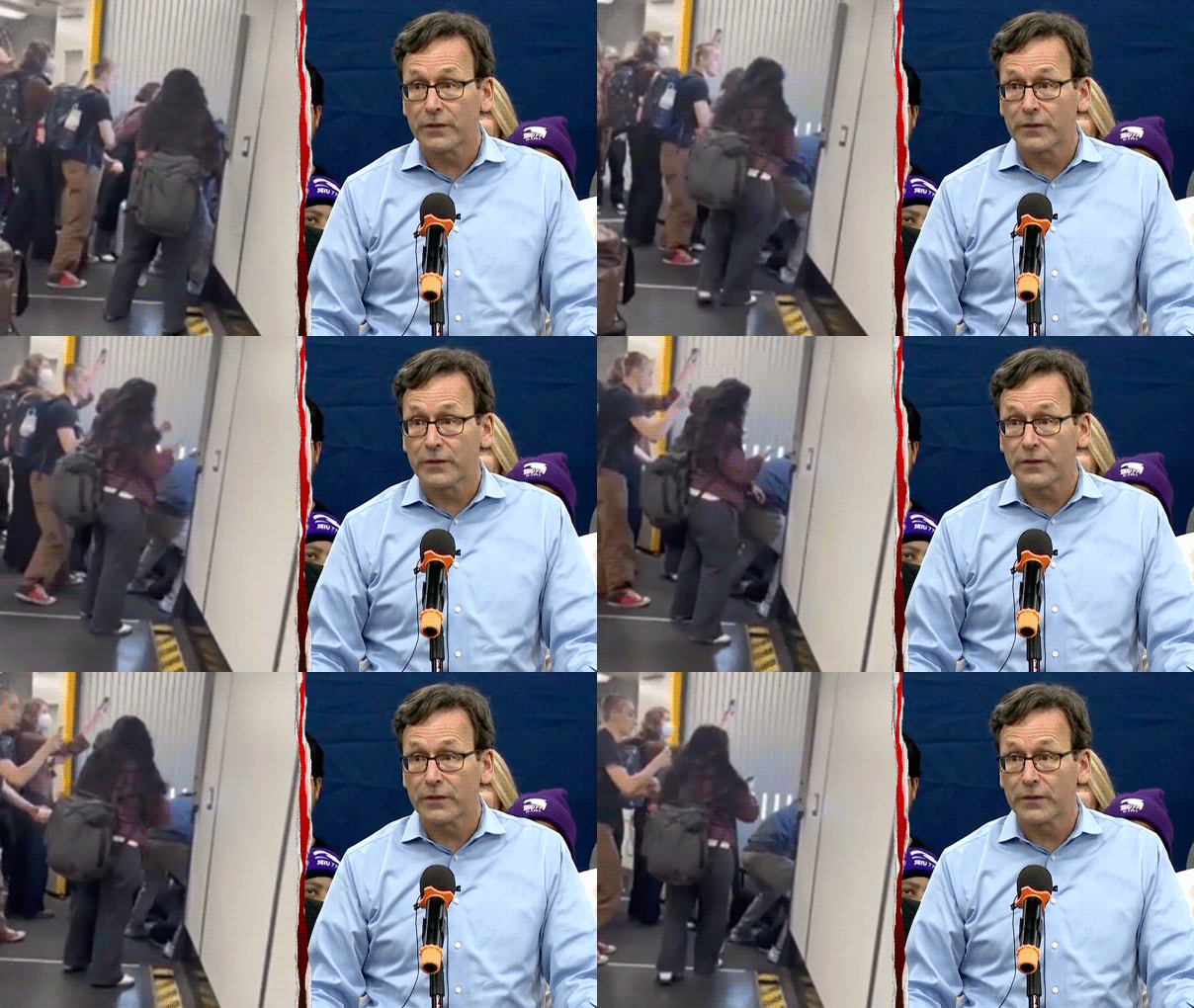
Federal immigration enforcement at Seattle-Tacoma International Airport set off a fresh round of political fireworks after ICE officers detained two airport travelers on a jetway Saturday morning. DHS says both were accused of overstaying visas, and one of them allegedly threw hot coffee at federal agents during the arrest.
The department quickly pushed back after Washington Gov. Bob Ferguson blasted the operation online, saying, “ICE is completely and totally out of control.” DHS answered just as bluntly on X, saying, “This violence must end,” while framing the arrest as a lawful action that turned hostile when bystanders tried to interfere.
According to DHS, the operation began around 8:05 a.m. PT as passengers boarded an Alaska Airlines flight. The agency said officers were targeting Ricardo Larrondo Mendoza, described as a Mexican national who overstayed his visa, and said the situation escalated when travelers got in the way and one person threw hot coffee at the agents.
DHS later identified the coffee-throwing suspect as Sofia Hernandez Mejia, calling her an illegal alien from Mexico and a visa overstay. The agency said she was arrested and will face charges for assaulting a federal officer, a detail that sharpened the fight over whether this was a routine immigration arrest or something far more serious.
Ferguson did not sound interested in splitting hairs. He called the video “horrific” and “chilling,” and said he had told Alaska Airlines representatives that “they need to call on ICE to get out of our airports.”
That message landed hard with local Democrats. Rep. Pramila Jayapal, D-Wash., said on X that “masked ICE agents terrorized our community,” while calling the arrests “totally unacceptable” and comparing the conduct to “fascist states.” Seattle Mayor Katie Wilson also weighed in, calling the enforcement effort “un-American” and saying the agents caused chaos in the terminal.
Rep. Adam Smith, D-Wash., went even further, describing ICE as “a profound threat to our community.” He said the agents dragged at least one passenger off the jet bridge and argued that the agency is “operating as a paramilitary force” that needs to be reined in before it causes more fear.
DHS was not backing down. The agency said assaults and obstruction are crimes, then pointed to what it described as a sharp rise in attacks on federal officers, including more threats, more vehicle attacks, and more physical confrontations. That message was aimed straight at critics who treat enforcement like the real problem while ignoring the risks faced by officers on the ground.
The clash also spilled into the travel side of the story. Alaska Airlines said it had no advance warning of the operation and had to move affected passengers to other flights, while union leaders complained that the arrest came during one of the busiest travel weeks of the year. Those complaints fit a familiar pattern: local officials and activists lashing out at enforcement while federal agents are left to handle the fallout.
The timing mattered too, coming after a period of air travel disruptions and heightened concern about airport operations. Ferguson said he planned to ask other airlines at the Seattle and Tacoma airport to push ICE out as well, turning one arrest into a broader challenge to federal authority at a major transportation hub.
DHS, meanwhile, treated the incident as part of a larger fight over immigration enforcement and public order. The agency’s message was simple, and it was not subtle: federal law still applies, assaulting officers is not a political talking point, and airport terminals are not supposed to become safe zones for people trying to dodge the rules.
