
Bethesda-style political theater hit a new nerve when a judge took a hard line on a simple Christmas greeting, turning a harmless seasonal wish into a courtroom flashpoint. The episode landed right in the middle of the culture clash over faith, language, and how far officials can go when they try to scrub public life clean of anything that sounds religious.
At the center of the uproar was a familiar kind of message, the sort of thing that usually slips by without a second thought. Instead, it became the kind of moment that exposes just how tense holiday language has become in Washington, where even “merry Christmas” can trigger a fight about respect, identity, and who gets to set the tone in public service.
For plenty of Americans, Christmas is still Christmas, plain and simple. That is part of why the reaction mattered so much, because it did not feel like a big policy dispute so much as another sign that common sense keeps getting shoved aside by people who want to police ordinary speech.
The controversy also tapped into a deeper frustration with the way conservatives see the federal government handling faith. Rather than treating Christian tradition as something normal and rooted in the country’s history, critics say too many officials act like any religious expression needs to be softened, hidden, or sanitized before it can be tolerated.
That kind of posture tends to backfire fast. When public figures overreact to a seasonal greeting, they do not look neutral or fair-minded. They look eager to make a statement, and usually the statement sounds a lot like hostility toward the values that millions of families still hold dear.
The bigger issue is not one holiday phrase on its own. It is the broader pattern of cultural overcorrection, where everything has to be filtered through a narrow set of sensitivities until even a cheerful Christmas message gets treated like a problem to be managed.
That is why moments like this resonate far beyond the original dispute. They remind people that the fight over culture is still very alive, and for many conservatives, it is not a small matter at all. It is about whether tradition will be respected or pushed out of sight by people who act embarrassed by it.
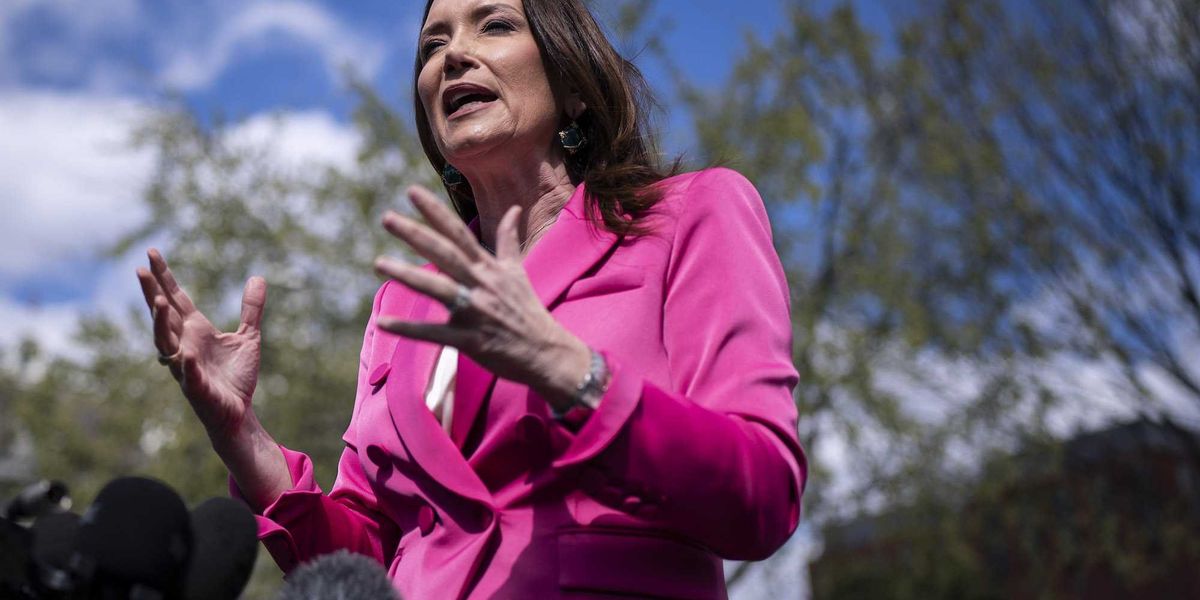
Brooke Rollins has become part of that broader conversation as a public figure closely tied to the political and cultural battles surrounding faith and traditional values. In that world, a simple holiday greeting can take on outsized meaning because it reflects something bigger than the words themselves.
What makes the whole thing sting is how unnecessary it feels. There is no shortage of real problems demanding attention, yet time and again the spotlight lands on symbolic gestures and language disputes that mostly serve to inflame people who are already fed up with the double standard.
That is the heart of the backlash. Americans who still say “merry Christmas” without hesitation are not looking for conflict, but they are also not interested in pretending that their own traditions are somehow offensive just because they are visible, familiar, and widely shared.
The fight over those few words says a lot about the moment the country is in right now. A greeting that should have passed with a smile instead became another reminder that the culture war is not cooling down anytime soon, especially when public officials and judges decide to step in and turn common speech into a political statement.
