
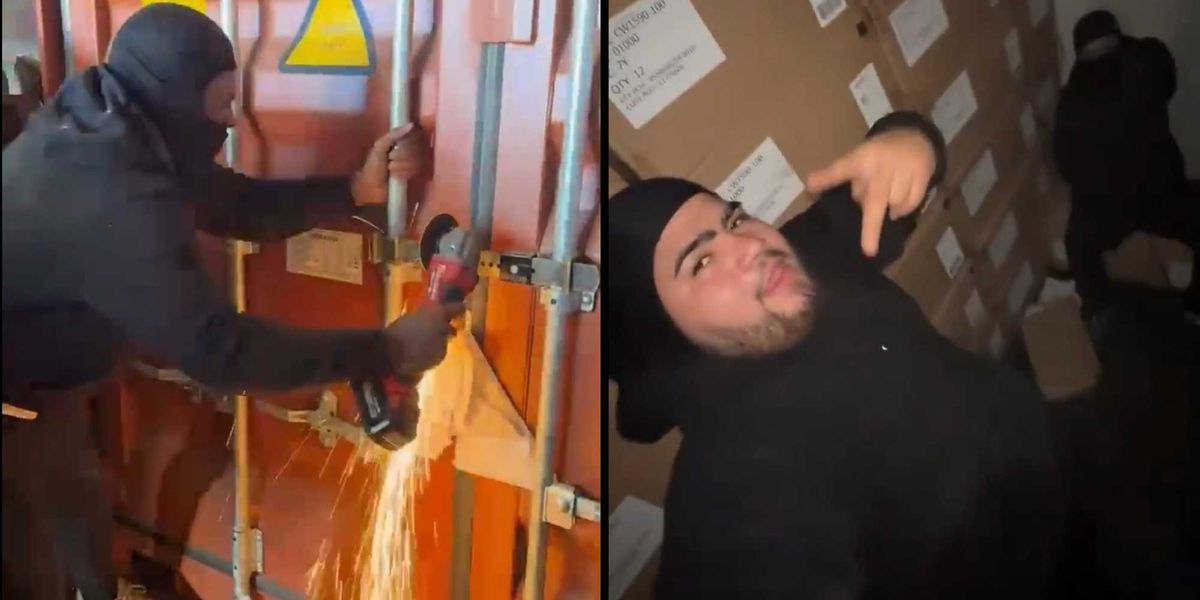
Federal prosecutors say a California train robbery crew left behind more than stolen cargo and broken freight cars, because some of the people involved allegedly recorded parts of the crime spree on video. The case has turned into a messy mix of bold theft, online bragging, and a trail of evidence that prosecutors believe could help explain how the operation worked and who was behind it.
- Alleged train robberies in California
- Suspects recording crimes on video
- Federal investigators building a case
- Stolen goods and organized theft patterns
- Public attention on the scope of the operation
According to the allegations, the crew targeted freight trains and treated the thefts like a predictable payday. What makes the case especially striking is the claim that the suspects did not just steal and disappear, but also documented parts of their own activity, giving investigators a possible window into the operation from the inside.
That kind of carelessness can be a gift to law enforcement. When people involved in serious theft start filming themselves, messaging about the crime, or leaving digital traces behind, the story often shifts fast from rumor to evidence, and prosecutors get a lot more to work with than witness guesses and damaged rail cars.
Train theft is not glamorous, no matter how anyone tries to spin it. It disrupts freight movement, raises costs for shipping companies, and creates a headache for workers who have to deal with the aftermath while trying to keep commerce moving. A crew that sees cargo trains as easy targets can create ripple effects far beyond the value of whatever was taken that night.
The reported recordings add another layer to the case because they can show how the suspects allegedly operated, who was present, and whether the thefts were isolated or part of a broader pattern. In cases like this, video can do more than identify faces, since it can also help establish timing, intent, and the kind of coordination that suggests planning rather than random opportunism.
That matters because organized cargo theft has become a bigger concern in several parts of the country. When a group keeps hitting freight lines, the problem stops looking like a one-off smash-and-grab and starts looking like a scheme built around repetition, confidence, and the belief that nobody is paying close enough attention.
But prosecutors are often more interested in the stupid mistakes than the swagger. A phone camera, a social media post, or a clip shared with the wrong people can turn into the thread that unravels everything, especially when investigators can connect digital evidence with surveillance, shipping records, and testimony from people involved in the case.
The public reaction to this kind of allegation tends to be immediate for a reason. People do not expect a train robbery crew to act like influencers, and the contrast between the scale of the crime and the apparent need to record it makes the whole thing feel even more reckless.
There is also the broader question of why these cases keep popping up in the first place. Freight corridors are tempting because they can be difficult to monitor every second, and when criminals think the odds are in their favor, they may push harder, take bigger risks, and get sloppier in the process.
That sloppiness may be what defines this case most of all. If the allegations hold up, the same people who thought they were pulling off a smooth operation may have been handing investigators a roadmap, one clip at a time, while the stolen goods and the video evidence started pointing in the same direction.
