
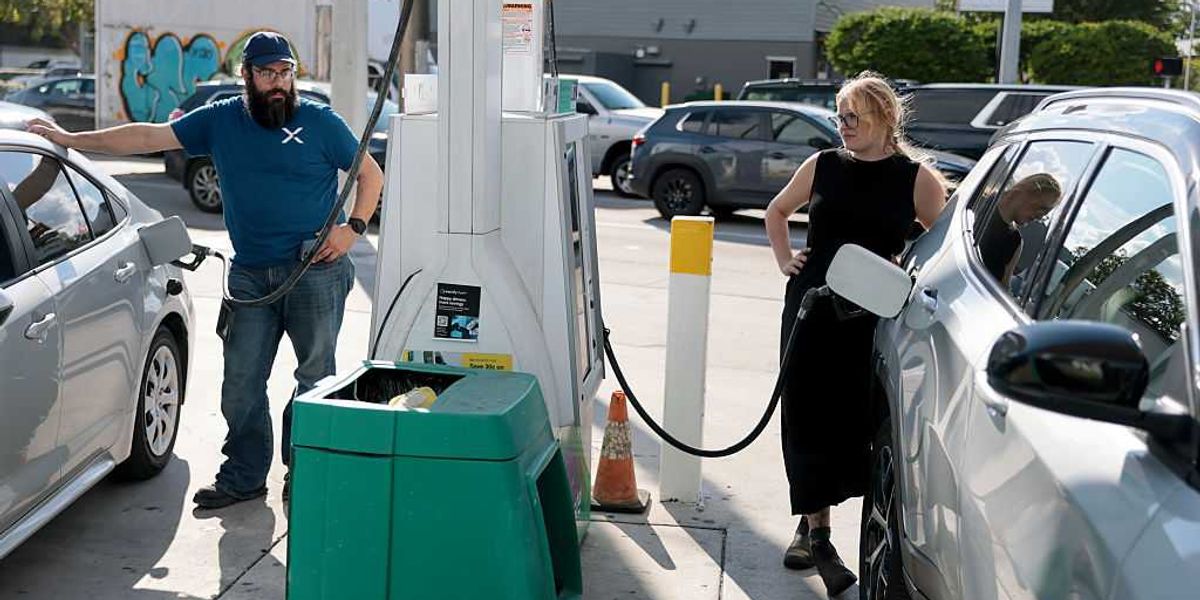
Gas prices have been sliding, and the timing has sparked plenty of side-eye. With voters done casting ballots, the drop has reopened an old argument about whether the White House really controls what drivers pay at the pump or whether bigger market forces do the heavy lifting.
The debate is not new, but it lands differently when fuel costs shift fast and the political calendar is front and center. Supporters of the president want credit when prices ease, while critics say the market is doing what it always does and that election-season spin should be taken with a grain of salt.
The most obvious thing to watch is supply. When crude oil gets cheaper, gasoline usually follows, and that can happen for reasons that have nothing to do with campaign messaging, from softer demand to shifting production across major exporters.
That is why claims that any one election or speech can swing prices on its own do not hold up for long. Oil markets are global, messy, and often driven by tensions overseas, production decisions by major producers, refinery issues, and simple seasonal changes in consumption.
Still, politics never stays far away from the gas pump. Presidents get praised when prices fall and blamed when they rise, even though the chain from the Oval Office to the corner station is long, indirect, and full of middlemen who set their own numbers based on supply and demand.
The White House can influence the mood around energy policy, and that matters. Decisions on drilling, sanctions, permits, and federal regulation can shape expectations, but the effect usually shows up over time, not in a neat little burst that matches a ballot count.
That is why the idea of a sudden post-election miracle feels overstated. If prices are dropping now, it may have more to do with a cooling market than with any dramatic shift in Washington, and consumers are often smart enough to sense that difference even if the political class pretends otherwise.
Iran also sits in the background of this story, because geopolitical pressure can move crude fast. Whenever tensions rise or ease in the Middle East, traders react, and those reactions can ripple through fuel prices long before most drivers hear a word about it on the nightly news.
For everyday Americans, the politics matter less than the relief. A lower fill-up is a lower fill-up, and after years of punishing swings, even a modest drop can feel like a win, especially for workers who drive long distances and families with little room in the budget.
That said, the temptation to turn every price move into a talking point never really disappears. One side wants the scoreboard, the other wants the rebuttal, and the truth usually sits somewhere in the middle, shaped by markets, policy, and a world that refuses to slow down for election season.
