
• Texas city leaders move to cut cooperation with ICE
• DHS pushes back hard on sanctuary-style policies
• Border and public safety concerns take center stage
• Recent arrests and deportations are used as examples
• Immigration enforcement becomes a major Texas flashpoint
Texas is turning into the latest battleground over immigration enforcement, and the fight is getting loud fast. Federal officials are warning that a shift away from cooperation with Immigration and Customs Enforcement could hand a win to criminal networks and put more pressure on already stretched communities.
The clash picked up after several Democratic leaders in Texas moved to limit local cooperation with ICE following a strong election night for their party. Houston Mayor John Whitmire signed an executive order telling police not to notify ICE during nonviolent encounters, and leaders in Austin and San Antonio followed with similar steps.
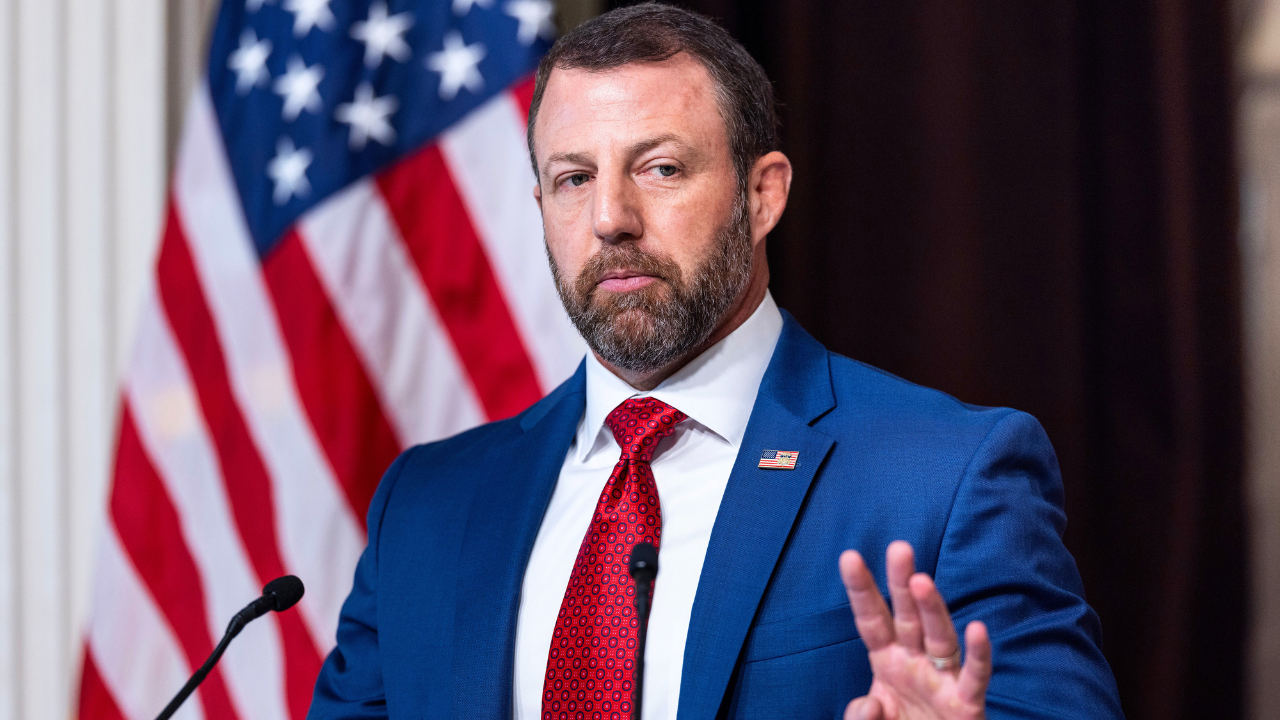
Homeland Security Secretary Markwayne Mullin blasted that direction in blunt terms. He said that if Texas stops working with ICE and drifts into sanctuary-state territory, it would be a major failure of public duty.
“If Texas were to stop cooperating with ICE and become a sanctuary state, it would be one of the worst derelictions of duty we’ve seen in a very long time,” Mullin told Fox exclusively.
Mullin also argued that the stakes are not abstract. He pointed to recent arrests tied to murder, child sex trafficking, gangs, drug crimes, and other violent offenses, saying Texas has long helped federal authorities remove dangerous people from American neighborhoods.
That message landed alongside a series of cases DHS has highlighted in Texas. One involved Giannys Alexandra Ramirez-Fernandez and Nelson Adrian Perez-Martinez, both from Venezuela, who were convicted in San Antonio on child trafficking-related charges and later sentenced to long prison terms.
Another case involved Isaias Jose Rodriguez-Manzanares, who was deported to Honduras after federal officials said he had ties to cartel activity and MS-13. He had previously been arrested in Texas, then arrested again later on drug and weapons charges before being removed from the country.
Federal officials have also pointed to the case of Nazira Haji Zada, an illegal immigrant from Afghanistan living in Fort Worth, who admitted involvement in an ISIS-inspired plot tied to Election Day 2024. DHS later removed her and made her permanently inadmissible through the Alien Terrorist Removal Court.
Those examples are being used to make a larger point about cooperation, not just punishment after the fact. Supporters of ICE coordination argue that local police can help flag threats early, while critics of that approach say it can scare immigrant communities away from reporting crimes or working with officers.
“Recent illegal alien arrests in Texas include murderers, child sex traffickers, terrorists, gang members, sexual assailants, and drug traffickers. Texas has long been a great partner with DHS in the fight to arrest and remove illegal aliens from our communities, so that we can save lives and make America safe again,” Mullin continued.
He also warned state and local leaders not to treat cooperation as optional theater. In his view, pulling back from ICE invites more danger, not less, and gives illegal alien criminals room to stay embedded in communities that are already carrying the burden.
“We are calling on Governor-elect Hinojosa and other leaders throughout the state to continue cooperating with us. If they do not, then crime and violence will plague the Lone Star State, and innocent Americans will suffer as more sanctuary politicians put illegal alien criminals over their own constituents. It’s no coincidence that 7 of the 10 safest cities in America cooperate with ICE law enforcement,” he concluded.
The Texas fight is now bigger than one city or one order. It has become a test of whether local leaders want to back the people sworn to keep neighborhoods safe, or hand more leverage to criminals who already know how to exploit weak enforcement.
