
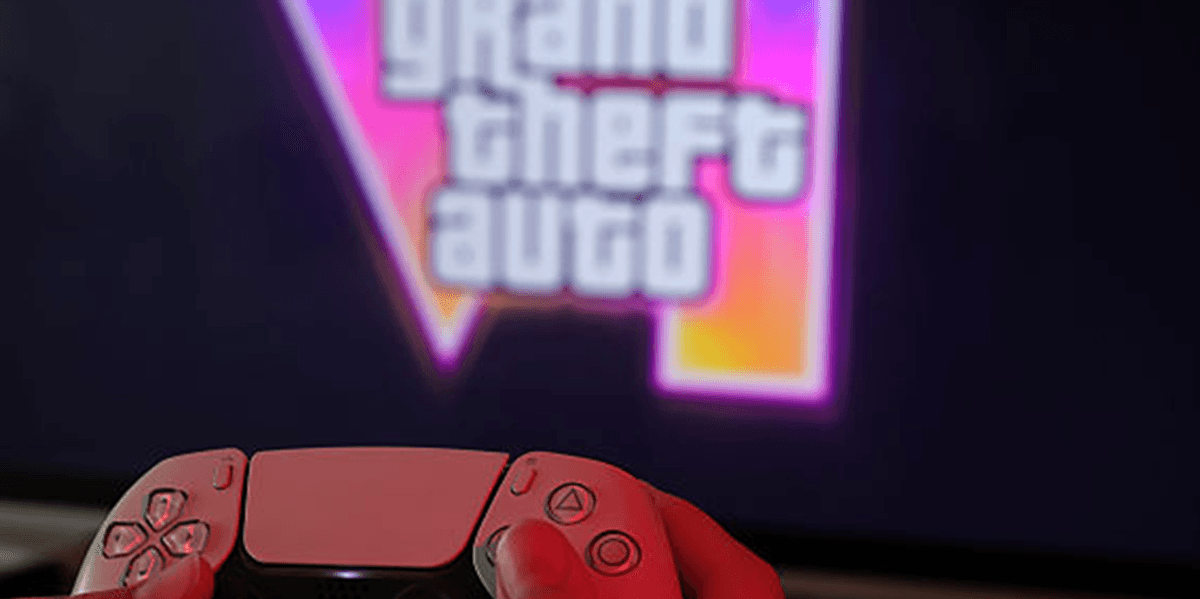
PlayStation’s network stumbled at a brutal moment, just as hype around Grand Theft Auto VI keeps building and fans are already on edge. The timing turned a routine outage into a bigger headache, with frustration spreading fast across social media and putting fresh pressure on Sony’s online services.
What should have been a normal stretch of anticipation instead became a reminder that even the biggest gaming platforms can buckle under stress. For players who live inside digital storefronts, online matchmaking, and cloud-based libraries, a network failure is more than an inconvenience. It can cut off access to the games and services people expect to be there every time they log in.
When a platform like PlayStation has trouble, the fallout is immediate because the modern gaming experience depends on constant connectivity. Players want downloads to work, accounts to load, purchases to show up, and multiplayer sessions to run without a hitch. When any of that goes sideways, the complaints come in fast and loud.
The annoyance gets sharper when the industry is already fixated on a giant release like GTA 6. Huge launches bring more traffic, more speculation, and more demand from players who are already refreshing pages and checking updates nonstop. In that kind of atmosphere, a network failure feels less like an isolated glitch and more like a direct hit to the momentum around gaming’s biggest upcoming event.
PlayStation has spent years building itself as a central hub for console gaming, but that also means it carries a heavy burden whenever things go wrong. A downtime episode does not just interrupt play, it chips away at confidence in the platform. For many users, reliability is not a bonus feature, it is the whole deal.
That is why these outages tend to snowball so quickly. A short disruption can trigger a wave of anger, jokes, and speculation, while the company works to restore normal service in the background. Online communities rarely give much grace when the screen goes dark, especially when they were expecting to be locked in for a big night of gaming.
The GTA 6 factor also adds a sense of urgency that goes beyond one company’s technical hiccup. Every move tied to the game already draws attention, and any disruption near its launch window gets magnified. Fans do not just notice the problem, they connect it to the larger fear that the road to release will be messy, crowded, and full of friction.
That kind of pressure matters because gaming today is built on expectation. Players are used to instant access and smooth performance, so even brief outages can feel bigger than they are. In a market where loyalty can shift quickly, service reliability becomes part of the brand’s reputation whether a company wants it to or not.
For Sony, the challenge is not only fixing the immediate issue but also calming a community that remembers every wobble. The more central online services become to everyday play, the less room there is for errors that interrupt the flow. When fans are already watching the clock for the next massive release, they are not in the mood for excuses.
That tension is exactly why this kind of network trouble lands with such force. It is not just about servers blinking off for a moment, it is about trust, timing, and the expectation that the biggest names in gaming should be ready when demand spikes. With excitement for GTA 6 still building, every technical stumble now carries a little more weight than it used to.
