
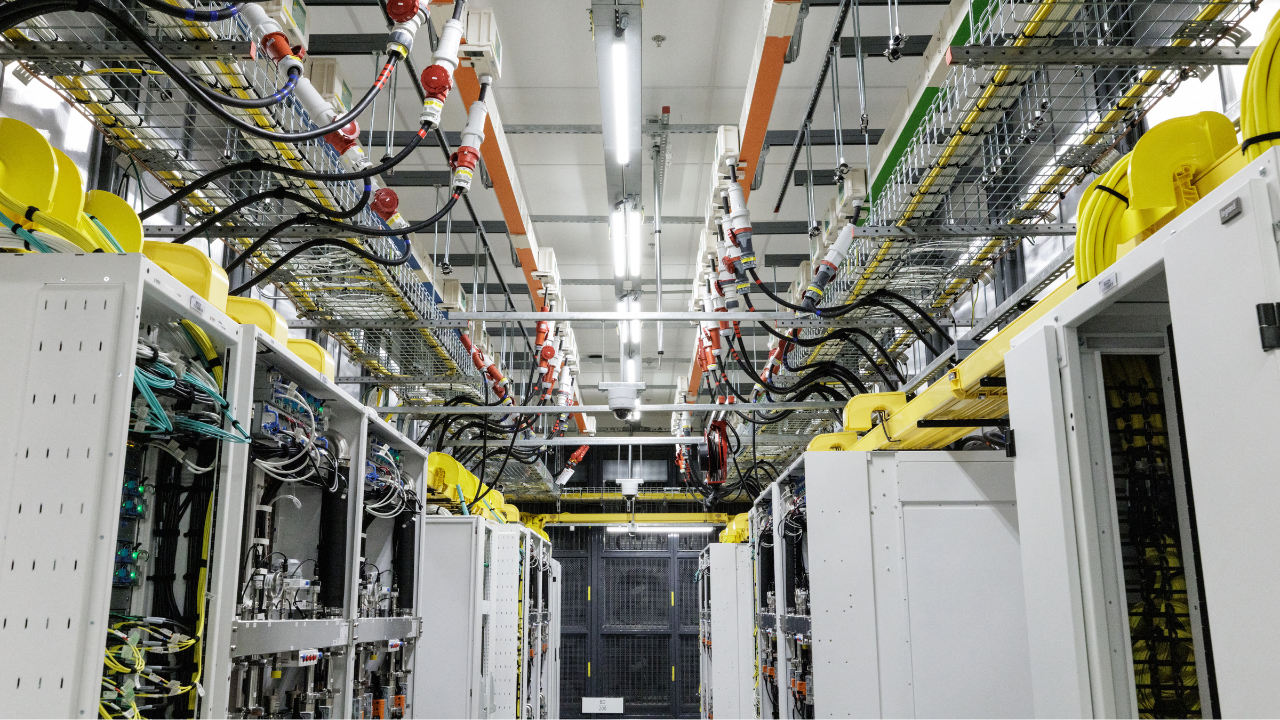
AI is pushing data centers into a new kind of pressure test, and water is turning into the hot-button issue nobody can ignore. The big warning is simple enough to sting: if current trends keep rolling, the cooling needs of these facilities could grow to match the annual drinking water use of Americans by 2030. That kind of number explains why companies, communities, and policymakers are suddenly looking at the same problem from very different angles.
Ecolab CEO Christophe Beck has been one of the louder voices on the subject because his company is trying to build a cleaner path forward. He says most data centers still lean heavily on water, and that the old approach is running into a wall as chips get more powerful and more demanding. The basic problem is not hard to grasp: AI may look like software on the surface, but underneath it sits a giant physical machine that burns through energy and water to keep itself from overheating.
Beck points out that water shows up at every stage, from making chips to powering them to cooling them down. For years, air cooling did enough to get by, but the new generation of chips is too intense for that to work well on its own. Water, he says, is far better at pulling heat away, which is why many new facilities are shifting toward direct chip cooling instead of relying only on air.
That change matters because the goal is not just to keep servers alive, but to do it without chewing up local resources. With direct liquid cooling, the water can move in a closed loop, getting reused instead of simply disappearing into the process. In plain terms, that means a data center can run cooler, use less power, and put less strain on the communities living around it.
The push for better cooling is arriving just as data centers face more public backlash. Some voters and local leaders have started demanding limits, especially in places where growth is fast but water supplies are tight. Texas keeps coming up in that conversation because it is both a booming business state and one that knows what water stress feels like.
Beck says that tension is exactly why the industry cannot keep building the same way it has in the past. High growth is great, but not when it collides with limited water and rising concern from nearby neighborhoods. The frustration is not random, either, since many of the older facilities were built to use huge amounts of water and power with little thought given to the long-term bill.
The new approach also stretches beyond the data hall and into chip fabrication, where the water has to be extremely pure. These facilities use what are known as fabs, and the water needed there is not ordinary at all. Beck described it as needing to be ultra pure, the kind of quality level that sounds almost absurd until you remember these chips are built at a microscopic scale.
That is where the recycling angle gets even more interesting. Ecolab says it has found ways to treat and reuse water in both chip production and cooling, which can make the entire process far less wasteful. The idea is to pull water out after use, clean it back up, and send it right back into the system so the operation stays efficient without draining local supplies.
Beck also stressed that this is not just about cutting waste, but about making the whole process smarter from end to end. By tracking water quality closely and reworking it through each step, companies can protect chip performance while lowering costs and easing pressure on nearby resources. That kind of setup is becoming more appealing as AI demand keeps climbing and every new server rack adds more strain to the system.
The bigger story is that AI is no longer just a digital race, it is a resource race too. The winners will not just be the companies that can build the biggest machines, but the ones that can keep them running without tearing through water, power, and local goodwill in the process.
