
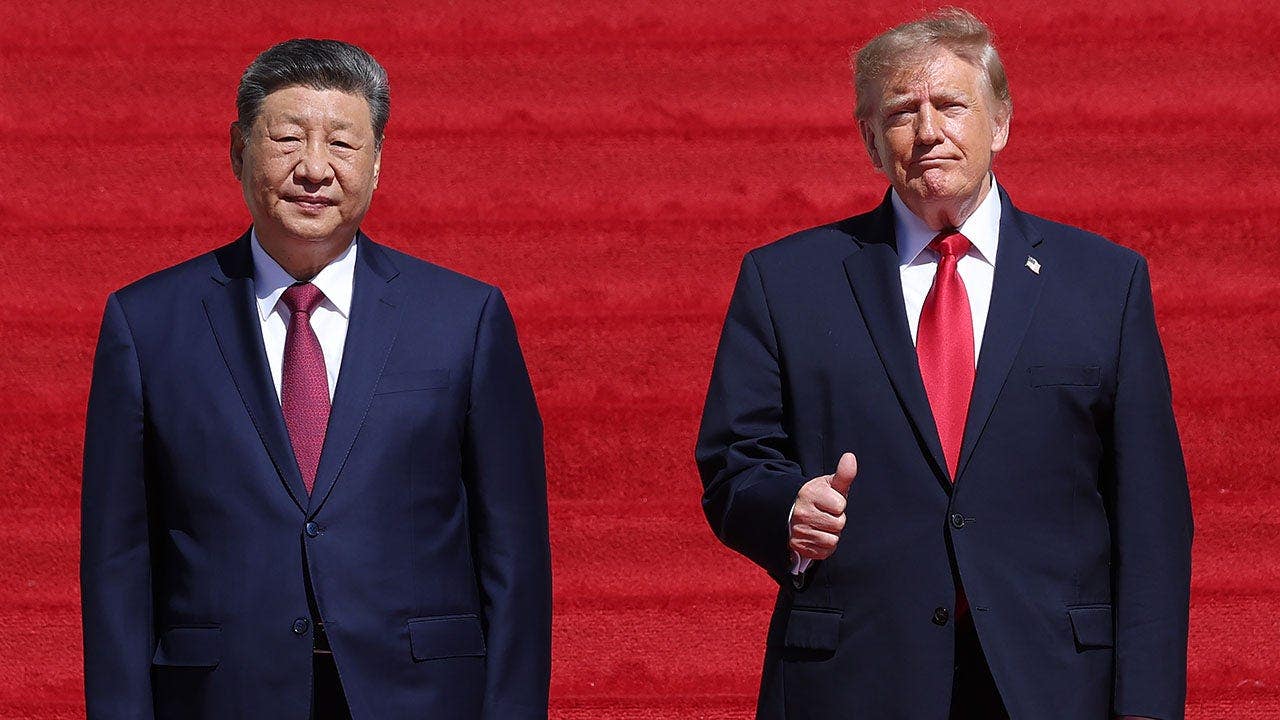
Trump is heading into a high-stakes meeting with Xi Jinping at a moment when trade promises, tariff fights and supply-chain pressure are all colliding at once. The big issue is simple enough, even if the politics around it are not: the U.S. wants real movement, China wants leverage, and both sides have spent years talking bigger than they have delivered. That mix leaves tariffs, farm exports and rare earth minerals sitting right at the center of the conversation.
One of the biggest flashpoints is agriculture, especially soybeans. China has long been a massive buyer of American soy, and a deal announced in Beijing earlier this year called for purchases on a scale that sounded like a real breakthrough. But the strain from tariff disputes has slowed that momentum, and the question now is whether Beijing is willing to follow through in a way that actually helps U.S. producers.
That matters because soybeans are not just another export line. For farmers, these deals can shape planting decisions, cash flow and whether a season ends in the black or the red. If China wants the supply, the pressure is on to buy, but the dynamic has become tangled because neither side wants to be seen as giving ground first.
Tariffs are the other giant piece of the puzzle. Temporary pauses and partial easing have bought time, but they have not solved the deeper problem of how the two countries set the terms of trade. The result is a familiar pattern, with both governments signaling that a larger agreement is possible while leaving the hard work unfinished.
That unfinished business is exactly what makes this summit feel so important and so fragile. High-level meetings can create headlines and good optics, but trade policy does not really move unless officials dig into the details. Quotas, restrictions and product-specific barriers have to be sorted out one by one, and that is where the process often bogs down.
Rare earth minerals add another layer of urgency. These materials are essential for everything from fighter jets to phones, and China has long held major influence over the market. Trump has made clear that breaking that grip is a priority, and the message has been blunt: the U.S. wants more control over its own supply.
There is plenty of raw material in the United States, but mining and refining come with environmental and regulatory hurdles that China has handled far more aggressively. That gap has helped Beijing stay powerful in a sector that touches defense, electronics and advanced manufacturing all at once. In practical terms, that makes rare earths less of a side issue and more of a strategic pressure point.
The broader economic backdrop is not helping either side relax. China is dealing with real pain in its own economy, while the U.S. is still wrestling with inflation that squeezes consumers and businesses alike. Even so, the balance of pressure appears to be heavier on Beijing, which may explain why it keeps coming back to the table even when the talks are tense.
Still, pressure does not automatically produce a breakthrough. Both leaders understand the political risk of looking weak, and that can slow down the kind of compromise that trade deals require. The talk may sound grand, but the actual progress tends to come in smaller, less glamorous steps that are easy to overlook and hard to negotiate.
That is why the coming discussions are about more than one meeting or one headline. They are about whether the two countries can move past the cycle of promises and get into the grind of real terms, real numbers and real enforcement. Until that happens, the biggest wins will keep hanging just out of reach.
