
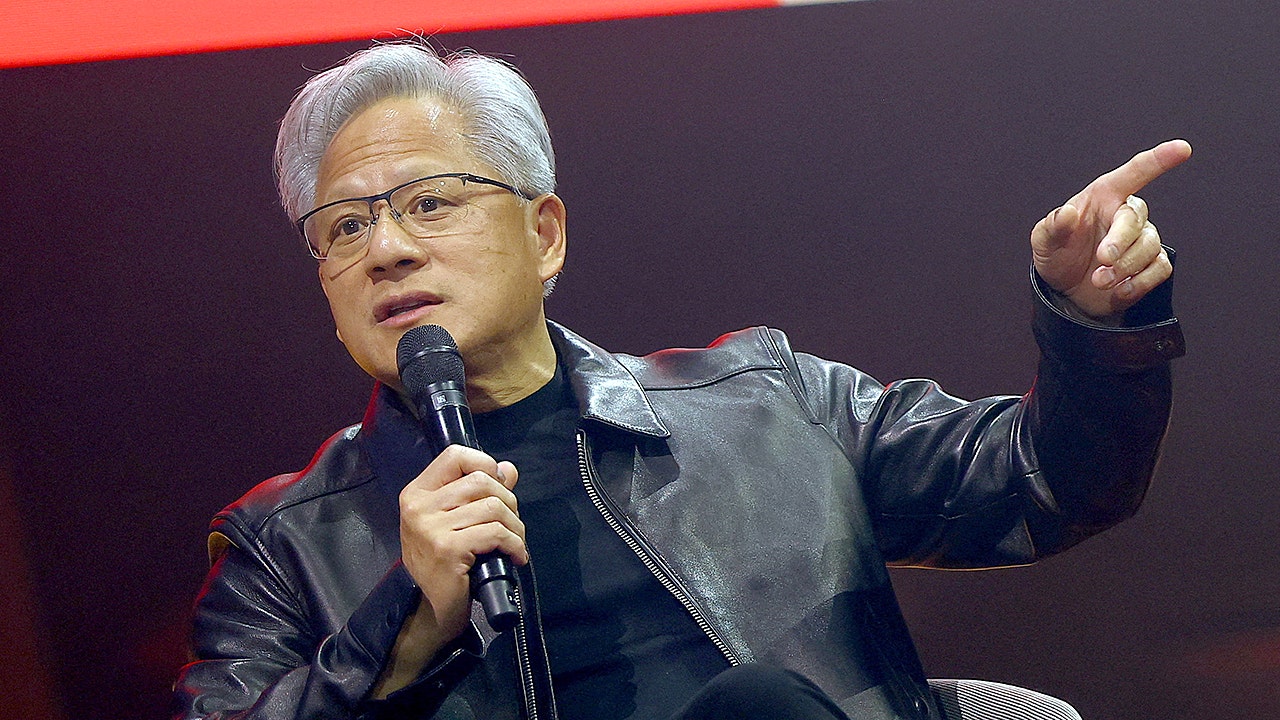
Jensen Huang is back in the spotlight after saying he would be willing to return as Nvidia’s CEO if the board decides that is the right move. The statement lands at a tense moment for the chip giant, with leadership shaken, investors watching closely, and the company still fighting to keep its edge in the AI race.
Huang said he understands the damage done and is not trying to dodge it. In his statement, he said, “I did not live up to the standards expected of everyone at Nvidia, and I have made serious mistakes in my personal life. I created problems for the Board that I deeply regret. I own my mistakes completely, and I am committed to cooperating with the Board’s independent investigation.”
He also pointed to the pressure building around the company since his departure. “Since my departure, I’ve seen an outpouring of calls from Nvidia’s employees, investors, business partners, and customers for me to return as CEO. Many continue to reach out to me directly as the company navigates complex technology, market, competitive, and geopolitical dynamics,”
Then came the line that makes the situation impossible to ignore. “Nvidia is a once-in-a-generation company. If the Board of Directors decides that my return is in the best interest of our shareholders, our employees, the company, and America, I would be honored to answer these calls and return as CEO,” Huang said.
The comeback talk follows a messy stretch for the company and for Huang personally. He stepped down after reports surfaced about extramarital affairs, including one involving a tech executive suspected of being a Chinese spy, along with relationships with subordinates at the company. That mix of scandal and power has left Nvidia trying to steady itself while the story keeps circling back to its former leader.
For now, the board has placed CFO Colette Kress in the interim CEO role while the search for a permanent replacement continues. She is also set to handle the company’s first quarterly earnings report since Huang left, which gives the moment even more weight as investors look for signs of stability.
That earnings report matters because Nvidia is still one of the most important names in tech. The company has ridden the AI boom to enormous gains, with its stock up about 366% over the last five years and its market value around $3.7 trillion.
Still, the shine has dulled a bit. Investors have started worrying that spending on AI infrastructure may not keep racing higher forever, and that concern has helped push the stock lower over the past year. The recent drop only adds more pressure as the company tries to prove the AI frenzy still has legs.
Huang’s personal reputation and Nvidia’s business image have been tightly linked for years, which is part of why this story has so much punch. He co-founded the company in 1993 and became the face of its rise, turning Nvidia chips into must-have hardware for the hottest corner of the tech world.
That kind of influence does not just disappear overnight, even after a resignation. The board now has to balance the optics of bringing Huang back against the reality that Nvidia is bigger than any one person, while employees, shareholders, and rivals all watch to see whether the company doubles down on its old formula or turns the page for good.
Behind all the noise is a bigger question about trust, performance, and whether a founder can claw back control after a public fall. Nvidia’s next moves will say a lot about how much risk the board is willing to take, and how far the company is prepared to go to protect its momentum in a market that does not forgive hesitation.
