
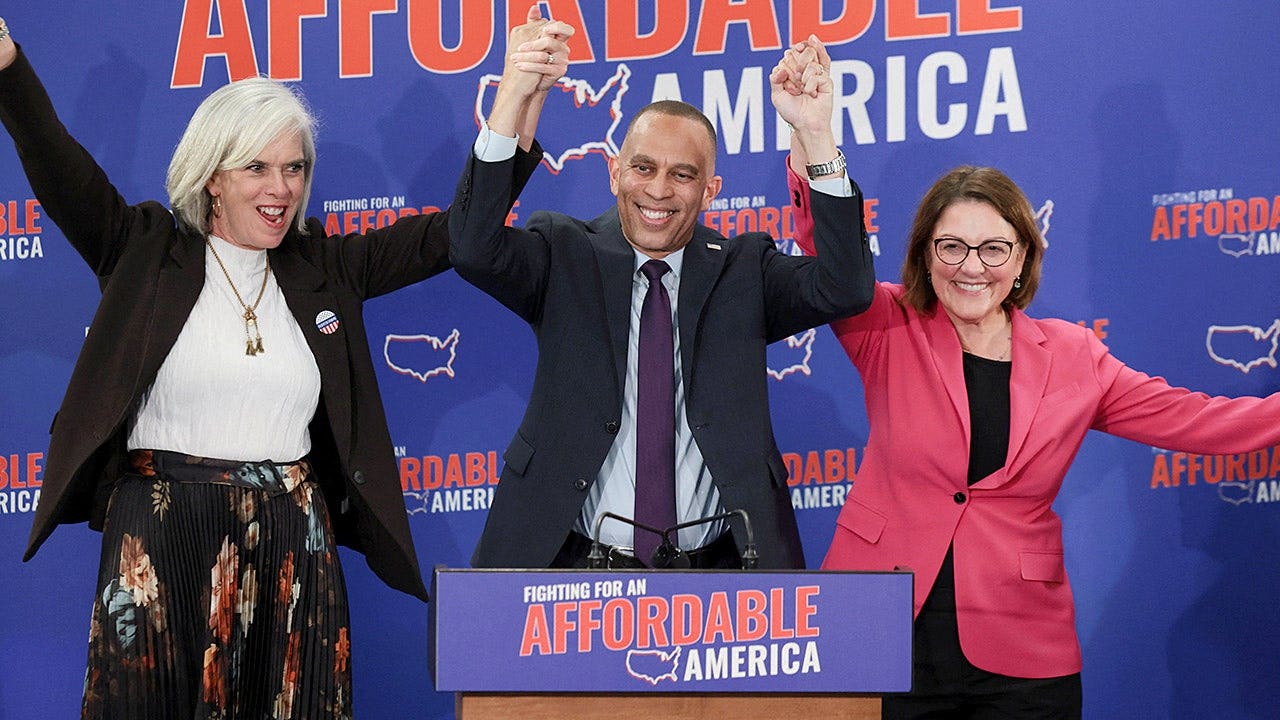
Republicans keep getting handed the same clue in a new wrapper: working Americans still want the basics, and they still punish the party that misses the mark. The 2026 result looks a lot less like a sudden ideological conversion and a lot more like voters sending a blunt message about prices, promises, and trust. That is the real test staring back at the GOP.
Washington loves to pretend every loss demands a fresh slogan and a shiny strategy deck. That routine feels productive, but it can also become a very expensive way of avoiding the obvious. Sometimes voters are not reinventing themselves at all; sometimes they are simply asking whether the party in charge remembered why people showed up in the first place.
The parallel to 2016 is hard to ignore. Back then, millions of Americans were frustrated, insulted, and tired of being told the economy was great when their own lives said otherwise. They wanted someone to shake up a system that seemed built to ignore them, and Donald Trump gave that anger a voice.
His message was simple enough to fit on a hat and direct enough to cut through the noise: jobs, borders, cheaper living, and a government that put Americans first. That pitch landed because it spoke to daily reality instead of consultant language. It was never about fancy branding, just the promise that ordinary people would stop getting treated like an afterthought.
Fast-forward to 2026, and the mood feels familiar even if the cast is different. Republicans warned loudly about socialism, communism, and radical politics, but those attacks may have bounced off voters who were mostly focused on grocery bills, housing costs, and whether the country felt stable enough to raise a family. When a voter is worried about rent, ideology can take a back seat to survival.
That is the part Republicans cannot dodge. A message about strength means little if families feel squeezed, and promises about prosperity ring hollow if the paycheck keeps disappearing before the month ends. Voters do not reward slogans; they reward results.
At the same time, it would be lazy to call the election some kind of grand embrace of Democratic ideas. Plenty of voters who backed Democrats were hardly head-over-heels for the party. Some were simply choosing the option that looked less risky, less exhausting, or less disconnected from their daily pain.
That distinction matters. A protest vote is not a marriage. It is a warning light flashing on the dashboard, and the people in charge would be smart not to mistake it for loyalty.
Exit polls pointed to real concerns on tariffs, immigration enforcement, foreign policy, and the sense that Congress should put stronger limits on presidential power. Those are not fake issues, and they should not be brushed off as bad messaging. Voters can dislike the substance and the style at the same time.
Still, the larger theme runs deeper than any single issue. Americans keep coming back to the same demands: decent work, affordable homes, safe streets, and a future that looks better for their kids than it does for them. They want leaders who notice them before election season and who remember them after the cameras leave.
That is why the old party labels do not always tell the full story. People are not always voting for a philosophy. Often, they are voting against the feeling that nobody in power is listening.
Republicans were once the party that understood the forgotten man better than anyone else. That advantage does not last forever if the party starts sounding more like an industry conference than a movement. If the message turns into endless talk about winning while families feel the squeeze, the brand stops matching the promise.
The lesson is not that voters changed into something unrecognizable. The lesson is that they remain stubbornly consistent about what matters to them. If Republicans want those voters back, they will have to do more than argue with Democrats. They will have to prove that they can deliver a life that feels livable again.
That means treating affordability like a real issue, not a talking point. It means talking about work, homes, and security in plain language that sounds like life and not a memo. And it means remembering that voters do not need a lecture on what should matter to them, because they already know what matters when the bill arrives.
