
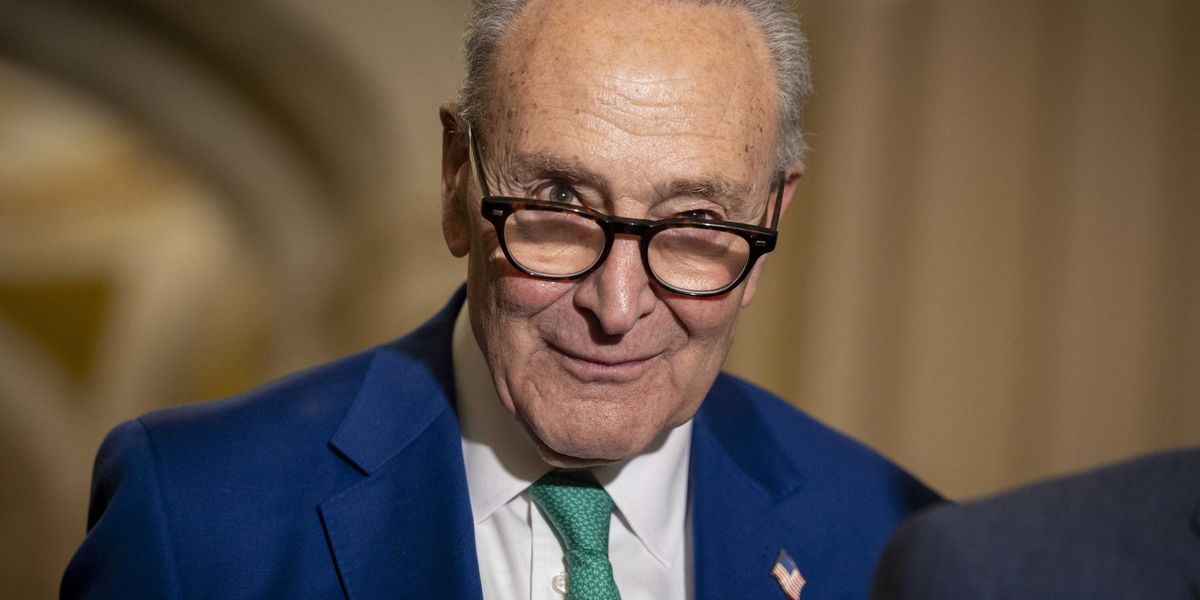
Chuck Schumer is once again at the center of the political noise machine, and the latest backlash is showing how fragile Senate Democrats look when the message starts slipping. The moment also puts a spotlight on how party leaders are trying to frame the next stretch of the political battle, especially with midterm tensions already hanging over Washington.
Schumer has long been one of the most recognizable faces in Senate Democratic politics, but visibility cuts both ways. When the pressure rises, every statement gets picked apart, and every misstep turns into a talking point for opponents who are eager to paint Democrats as out of touch and defensive.
The criticism now swirling around Schumer is tied to the broader problem Democrats keep running into: they want to control the narrative, but the narrative keeps breaking loose. That matters in a year when voters are paying close attention to inflation, public trust, and whether party leaders sound like they are hearing the same concerns as everyone else.
For Republicans, the opening is obvious. If Democrats are leaning on spin instead of substance, that leaves a wide lane to argue that Washington is more interested in saving face than solving problems, and Schumer becomes the face of that frustration whether he wants it or not.
It is not just about one comment or one appearance. It is about the larger image of a leadership team that often seems more focused on message discipline than on results, and voters tend to notice when polished talking points start sounding thin.
Democrats also have a habit of treating criticism as noise instead of as a warning sign. That approach can work for a while, but when the public starts feeling squeezed, the usual explanations land flat and the whole operation can look more brittle than confident.
Midterm elections have a way of stripping away the polish. What remains is plain and simple: voters look at whether the people in charge seem honest, steady, and connected to real life, and if that answer is no, the backlash gets louder fast.
Schumer’s role makes him a natural target in that kind of climate. He is not just a senator speaking for himself. He is also a symbol of the Democratic establishment, and symbols take the hit when people lose patience with the party’s priorities and its habit of talking around tough issues.
The bigger story here is that misinformation accusations, messaging wars, and leadership drama are not separate threads anymore. They are all tangled together in a political environment where trust is scarce and every side is trying to define reality before the other side does.
That is why Democrats keep finding themselves in a defensive crouch. When the party’s own leaders become part of the controversy, the room for a clean comeback shrinks, and the public gets another reminder that the professional political class is often the loudest thing in the room, not the most convincing.
Republicans have been hammering that point for years, and it keeps landing because it feels familiar. The same crowd that lectures everyone else about responsibility often trips over its own contradictions, and Schumer’s latest headache fits neatly into that pattern.
As the election fight keeps heating up, the stakes go beyond one senator’s reputation. They reach into the larger argument about whether voters want more of the same careful scripted politics, or whether they are ready to hand the wheel to people who sound less polished but more grounded.
