
Kratom has become a fast-moving concern for health officials, families, and people trying to climb out of dependence. One woman’s path shows how something that starts small can quietly take over daily life, while the wider debate around kratom leaves, concentrated 7-OH products, and uneven state rules keeps growing louder.
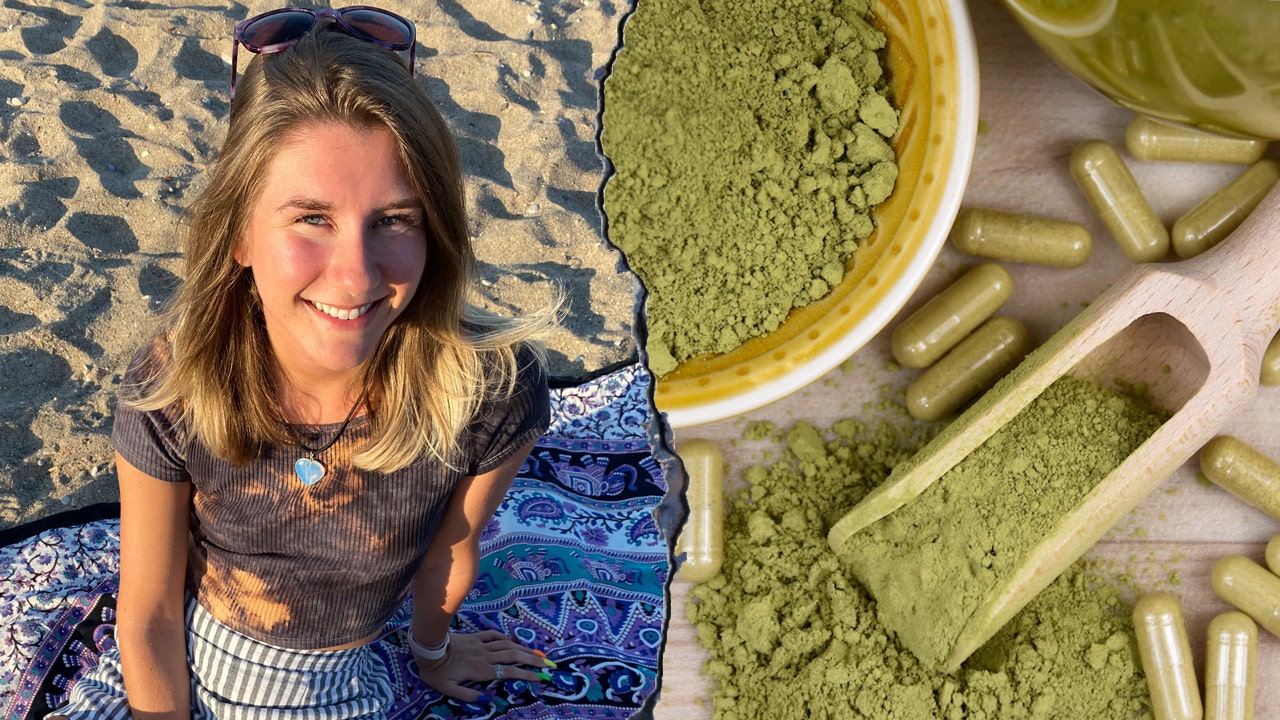
Hilary Tesluck first came across kratom in 2017 when she was 21 and looking for something she believed would feel more natural than the anxiety medication she was already taking. A friend suggested four capsules, and at first the product seemed harmless enough, bringing energy, confidence, and a feeling of productivity. That early impression is part of what makes kratom so slippery for many users, because the trouble does not always look like trouble right away.
What began as a modest routine slowly turned into something much bigger. Tesluck says her use crept from four capsules to 100 a day, and the toll on her life started showing up everywhere, from work problems to dramatic weight loss. She described becoming physically worn down, to the point that even standing in the shower could feel exhausting.
That kind of dependence can be hard to spot when the product is sold as a legal, plant-based option. Tesluck said that is exactly what made it so difficult to accept what was happening, because the word “natural” made the habit feel safer than it really was. Once the need to keep taking more started controlling her schedule, the line between casual use and addiction had already been crossed.
Her first attempt to get help in 2020 was discouraging. Tesluck said the treatment facility did not detect kratom on a urine test and staff seemed unsure how to respond, leaving her feeling embarrassed and misunderstood. She walked away after a few days and went back to using, which is a common trap when a person does not feel seen or believed.
Things changed when she joined an online recovery meeting in 2021. Hearing other people describe the same cycle of cravings, dependence, and shame made her feel less isolated, and that support became a turning point. Recovery, in her case, did not happen through a single breakthrough but through finally finding a room where the story made sense to other people.
Even then, the road stayed bumpy. Tesluck relapsed in 2023 after her grandmother died, and later again after the loss of her cat and the end of a relationship on the same night. Those moments showed how grief can reopen old habits fast, especially when a substance has already trained the body to chase relief.
Her experience also pulled her into the debate over kratom itself versus concentrated 7-OH products. 7-hydroxymitragynine occurs naturally in trace amounts in kratom, but concentrated versions deliver much higher exposure, and both compounds act on opioid receptors. Critics and advocates disagree on how closely the two should be linked, but Tesluck’s view is blunt: “It’s one problem at two strengths.”
The regulatory picture is messy, and that only adds to the confusion. Some states have age limits, some require labels, and others leave products with very little oversight, while federal authorities say kratom is not approved as a drug and cannot legally be marketed as a dietary supplement or added to conventional foods. That patchwork makes it easy for consumers to assume a product is safer or more standardized than it actually is.
Tesluck says warning signs often show up in plain sight if people know what to watch for. Planning life around the next dose, worrying about running out, losing appetite, dropping weight, feeling stuck at a baseline, or using more than intended can all signal a problem. She also points to the emotional side of it, where a person may feel numb, irritable, or like a different version of themselves entirely.
Today, Tesluck works to warn others through End Kratom Addiction and speaks with families trying to understand how a substance they barely knew about could cause so much damage. Her message is less about shock and more about recognition, because the warning signs are often there long before the fallout becomes impossible to ignore.
