
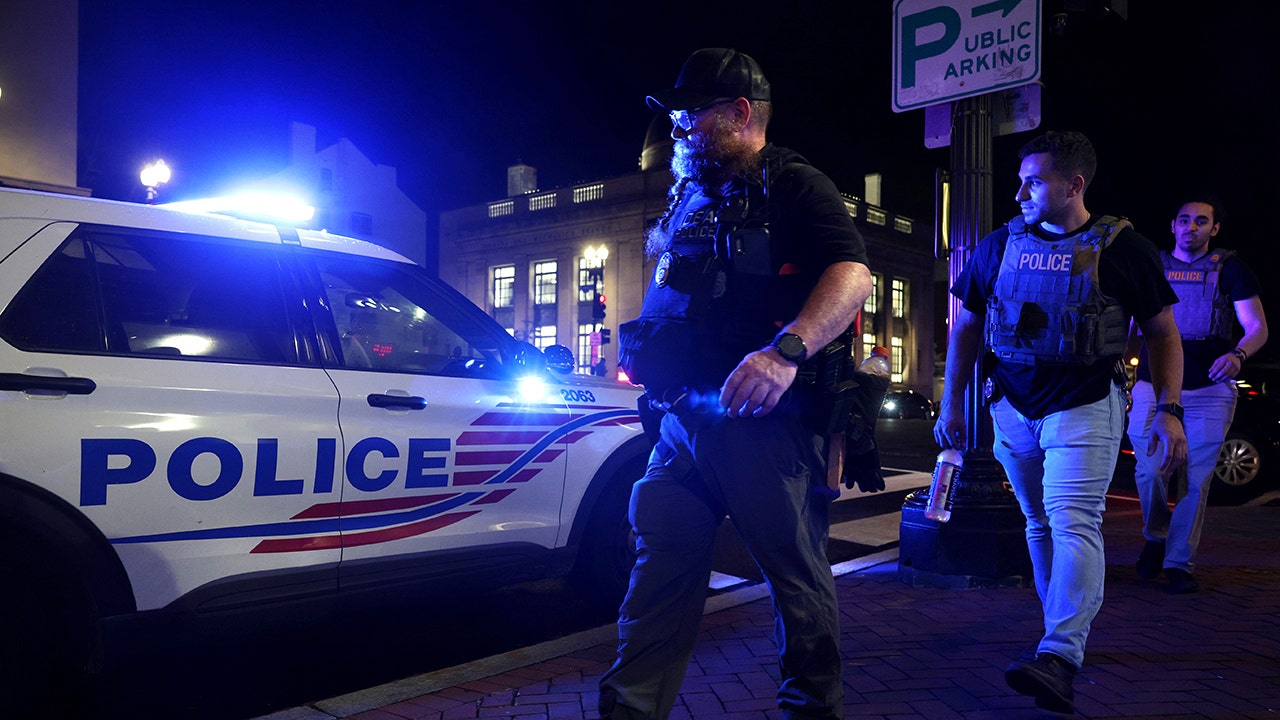
Washington, D.C.’s sentencing fight is back in the spotlight after a 19-year-old accused of firing dozens of rounds into a neighborhood and injuring a boy on a basketball court was spared prison and given probation. The White House blasted the outcome as a glaring example of soft justice, while federal officials renewed their attack on a law that lets some young offenders dodge tougher penalties. The case has quickly become another flashpoint in the bigger battle over crime, punishment, and how far rehabilitation should go when violence is involved.
Prosecutors had pushed for a five-year prison term for Darius Drew, but a judge instead suspended a two-year sentence and placed him on 18 months of supervised probation under the Youth Rehabilitation Act. That decision enraged critics who say the law has turned serious crimes into slap-on-the-wrist moments. White House spokeswoman Lauren Bis called the ruling “insanity” and said it reflected a city system that is too quick to go easy on dangerous offenders.
According to prosecutors, the shooting happened in a Northwest Washington neighborhood and involved more than 20 rounds fired from two locations. Surveillance video allegedly showed Drew riding a bike into an alley before opening fire at a parked car, and a gunfire detection system picked up 10 shots in the burst. Seconds later, shots were fired toward a nearby house, and a boy who was playing basketball was hit in the leg.
Authorities later said investigators recovered two firearms, ammunition, and suspected narcotics and marijuana from Drew’s home. He had already spent nearly six months in custody after his arrest in May before being released on Friday. Prosecutors also objected to his release and argued against applying the youth law in the first place.
The case lands in the middle of a larger push by U.S. Attorney Jeanine Pirro to force changes to the Youth Rehabilitation Act. She has argued that the law, especially after being expanded by the D.C. Council in 2018, has made it too easy for offenders under 25 to receive lighter sentences and possibly have convictions wiped away later. Murder and the most serious sexual abuse offenses are excluded, but Pirro has said that still leaves far too many violent cases eligible for leniency.
Pirro made that argument in a letter to the council last year, pointing to another case involving a 19-year-old who got probation after shooting someone in the chest on a Metrobus. In her view, the problem is not abstract or political theater. It is about the message sent when an adult-aged offender can commit a serious shooting and walk away with probation after only a short stretch in jail.
Her office says the numbers make the issue hard to ignore. From 2022 through 2024, 96% of defendants younger than 25 who received felony sentences in D.C. Superior Court were eligible under the act. That scale has turned the law into a major factor in sentencing outcomes, and critics say it has become a loophole that swallows common sense when violent crimes are involved.
The White House has also tied the issue to President Donald Trump’s crime crackdown in the capital. Officials point to the Safe and Beautiful Task Force as proof that a harder line can produce results, saying the operation has led to more than 19,000 arrests, including murderers, sex offenders, drug traffickers, and other violent criminals. Supporters say that kind of pressure is exactly what a city wracked by repeat violence needs.
Bis argued that the city’s soft policies have not stopped federal action from making a dent in violent crime. That tension, between local sentencing leniency and federal enforcement, has become a defining feature of the crime debate in Washington. Every new case like Drew’s seems to sharpen the divide, especially when the facts involve a neighborhood shooting and a child getting hurt.
Judges and lawmakers in the District now face a public that is increasingly impatient with outcomes that seem disconnected from the danger of the crime. A probation sentence for a gunman who allegedly sprayed a community with bullets does not sit well with residents who want order, not excuses. And as the arguments keep piling up, the pressure on D.C. leaders to decide whether rehabilitation is being used as cover for avoidance keeps getting louder.
