
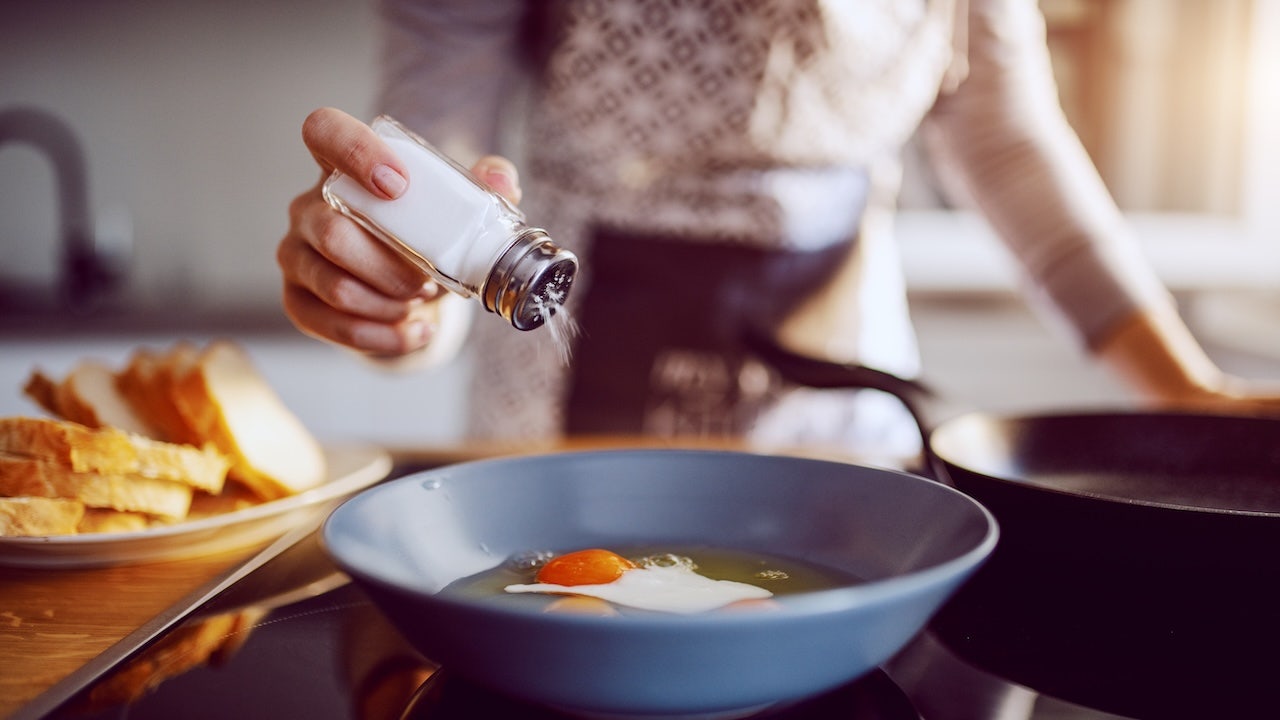
Replacing ordinary table salt with a potassium-enriched version could deliver a huge public health payoff, with researchers estimating millions of lives saved each year and far fewer cases of heart and kidney disease. The idea sounds simple because it is: keep the salty taste people want, but trim sodium and add more potassium to help the body handle blood pressure more smoothly.
In a large modeling study published in Nature Health, researchers from the Australia-based George Institute for Global Health looked at dietary patterns and disease risks across 4.6 billion adults in 193 countries. Their simulations suggested that a broad switch could prevent nearly three million deaths every year, along with more than 10 million new cases of heart and kidney disease.
That kind of number turns a kitchen habit into a global issue. High blood pressure affects about 1.4 billion adults worldwide and remains one of the biggest drivers of strokes, heart attacks and chronic kidney damage, so even small cuts in sodium can matter a lot.
The logic behind the swap is pretty straightforward. Regular salt loads the body with sodium, which encourages water retention, raises blood volume and puts extra pressure on artery walls, while potassium-enriched salt replaces some sodium with potassium to help relax blood vessels and support the removal of excess sodium.
The biggest gains showed up when the model assumed salt was replaced in home cooking and at the table. Under that scenario, researchers projected 1.85 million fewer deaths and 6.19 million fewer new cases of heart and kidney disease each year, a striking return for something that would barely change the taste of a meal.
Restaurant meals and processed foods were another major battleground. When the researchers modeled a switch in those settings, the estimate still came out strong, with about 1.56 million deaths and 5.46 million new disease cases potentially avoided annually.
The effect was even more dramatic for people already living with high blood pressure. If 80% of adults with diagnosed hypertension shifted to potassium-enriched household salt, the study projected around 590,000 deaths could be prevented worldwide every year.
The benefits were not spread evenly across the globe. China came out with the largest potential gain, estimated at 1.08 million deaths averted each year, while India followed with nearly 400,000 preventable deaths and the United States could see roughly 105,000 deaths and 492,000 new disease cases avoided annually.
That regional split matters because salt habits are different from place to place. In many Asian and African countries, most dietary salt comes from home cooking, while in Western countries more than 70% of sodium often comes from processed and restaurant foods, which means the best strategy depends on where the salt is sneaking in.
Experts still put a real warning label on the idea. Potassium-enriched salt is not automatically safe for everyone, especially people with advanced kidney disease or those on certain blood pressure medications, because the body may struggle to get rid of extra potassium.
Too much potassium can lead to hyperkalemia, a dangerous buildup in the blood that can trigger irregular heart rhythms. The World Health Organization advises people with kidney problems that limit potassium removal to avoid these substitutes unless a healthcare professional says otherwise.
That caution does not erase the bigger public health picture, though. The study’s modeling suggested the heart and kidney benefits would outweigh the risks for the overall population, which is why the researchers see the salt swap as one of those rare changes that could quietly reshape disease rates on a massive scale.
Cost and access could slow the spread. Potassium-enriched salt runs about twice the price of regular salt on average, and wider use would depend on buy-in from manufacturers, suppliers and restaurants, especially in places where processed food dominates the diet.
Even with those hurdles, the pitch is hard to ignore. A product that looks, cooks and tastes like the one already sitting on the table, but changes the math on heart strain and kidney damage, has a way of making health feel less like a lecture and more like a practical tradeoff people can actually use.
