
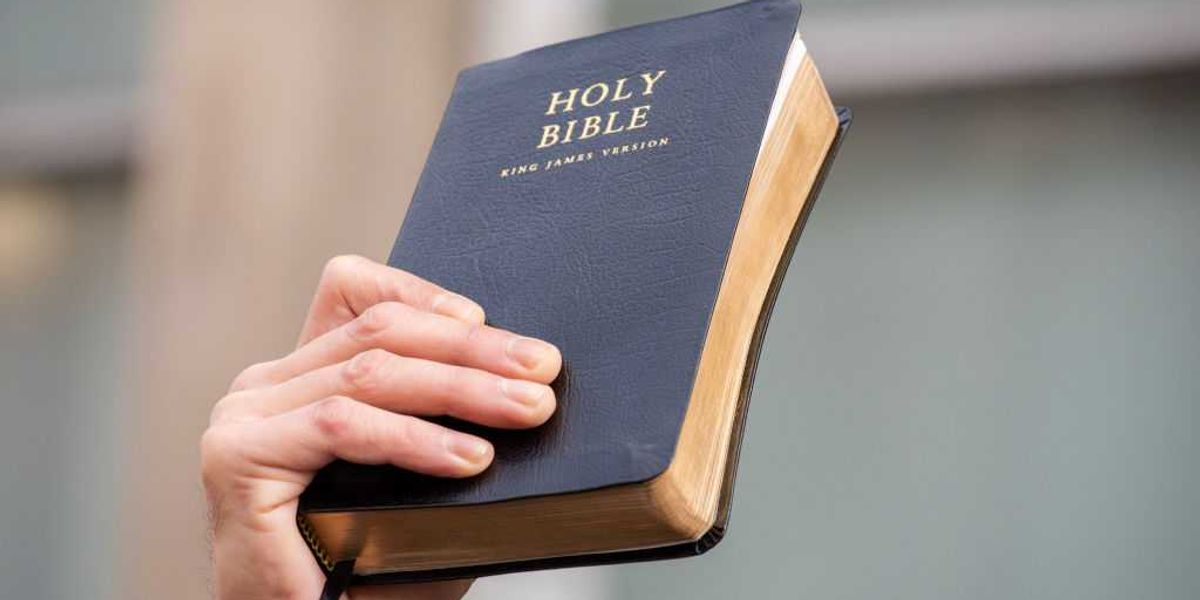
Wesley Huff, a rising name in Christian apologetics, found himself in the middle of a fast-moving controversy after plagiarism accusations hit his work online. His website and YouTube presence were suddenly stripped down, and the cleanup only added more attention to the story. What looked like a routine content review quickly turned into a public mess that had people asking what was copied, what was original, and how long the issue had been sitting there.
The reaction around Huff has been sharp because his platform has been built on trust. In circles where theological credibility matters, even the hint of borrowed material can land like a hammer blow. Once the accusations spread, the quick removal of web pages and videos made the situation feel bigger, not smaller, because audiences tend to notice when content disappears all at once.
That kind of scramble often signals pressure, and this one was no different. Scrubbing a site and pulling videos can look like an attempt to buy time while questions pile up, but it can also make people think there is more beneath the surface. In an age where every post gets screenshot and archived, disappearing content rarely makes a problem vanish.
For public Christian figures, the standard is unforgiving. Their work is often judged not just on whether it sounds persuasive, but on whether it is faithful, careful, and honest in the way it is assembled. If material was lifted without proper attribution, the damage is not limited to one article or one sermon clip, because it reaches into the broader question of integrity.
The controversy also shows how quickly online reputations can shift. A speaker can spend years building an audience and then watch confidence crack in a single news cycle once allegations start to spread. Even people who are not following the details closely tend to remember the headline, and that is enough to leave a stain.
There is also a deeper problem when a figure known for defending truth is accused of borrowing from others without giving credit. That mismatch hits hard because it invites comparisons between the message being preached and the methods being used behind the scenes. In a field where words matter, copying is not treated as a small slip, but as a sign that the whole package deserves a harder look.
The decision to remove videos may have been meant to slow the fire, but it also created a vacuum. Once audiences notice silence, they start filling in the blanks on their own, and that usually makes the rumor mill even louder. The result is a cycle that is hard to control, especially when followers, critics, and casual observers all start weighing in at once.
At the center of the storm is a basic question that never goes away in cases like this: who gets the credit for the work? That is not a minor issue for someone speaking into public faith debates, because credibility is the currency that keeps the whole operation running. When the audience starts wondering whether the words were earned or borrowed, everything else suddenly feels shakier.
Huff’s situation has also become a reminder that digital footprints do not simply disappear when someone hits delete. Archived pages, reuploaded clips, and scattered screenshots can keep a story alive long after the original material is gone. In that sense, the attempt to wipe the slate clean often creates a second round of scrutiny that is even harder to escape.
What happens next will matter less for internet chatter and more for trust. People can forgive mistakes when there is clarity, but they usually dig in when the response feels slippery or incomplete. The bigger issue now is not just the accusation itself, but whether the response convinces anyone that the work, the words, and the standards behind them still hold up.
