
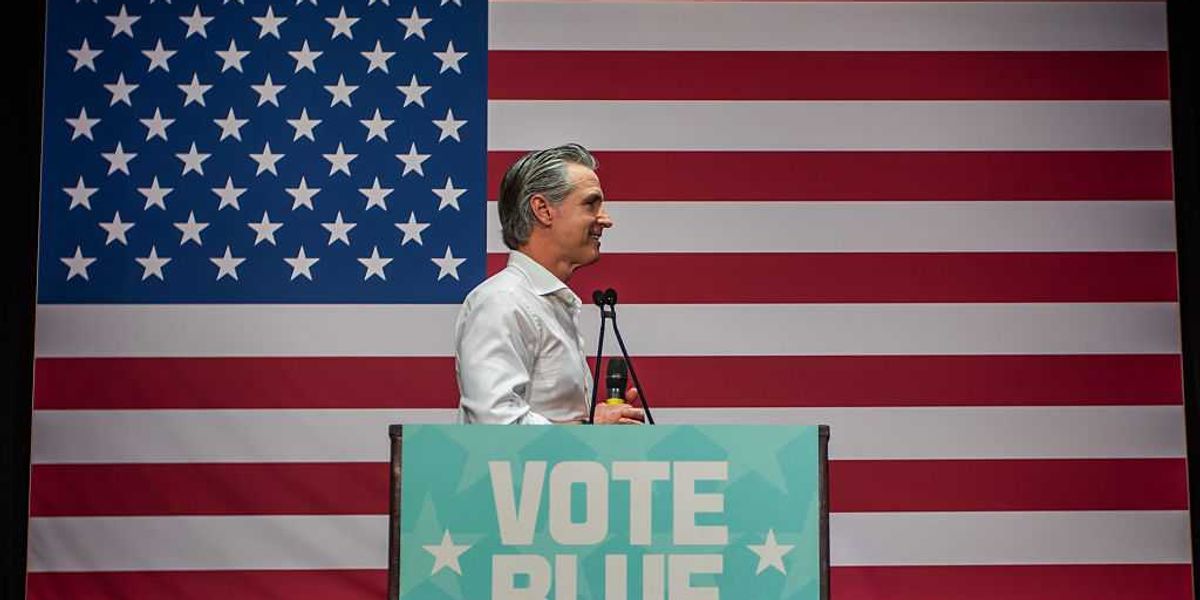
California politics is heading into a messy stretch, and the tension is not really between Republicans and Democrats in the usual sense. The bigger fight is shaping up inside the Democratic camp, where moderates, progressives, and outright socialist-leaning activists are all pulling in different directions. That clash is already showing up in city halls, statewide ambition, and the pressure around who gets to define the future of the state.
One reason this matters is simple: California keeps exporting political influence far beyond its borders. When the state lurches left, the national conversation feels it, and when Democrats start fighting each other, the cracks get loud enough for everyone to hear. Republicans have long struggled to break through in California, but a blue-on-blue battle can still expose weakness, bad instincts, and a growing disconnect with ordinary voters.
The Democratic Party in California has never been a perfectly smooth machine, but the current split feels sharper than the old inside-game disputes. On one side are the more pragmatic figures who want to keep the state governable and appealing to suburban voters. On the other are activists who think the answer to every problem is more ideology, more confrontation, and less compromise.
That divide matters most in the big cities, where local leaders often set the tone for the whole state. Los Angeles and San Francisco have both become testing grounds for whether voters are still willing to tolerate policies that sound bold but deliver headaches in real life. Rising costs, public safety concerns, and frustration over basic competence keep pushing the argument from abstract theory into daily reality.
Gov. Gavin Newsom sits right in the middle of this pressure cooker. He has built a brand around ambition, polish, and national-level swagger, but that style only works as long as the home front stays manageable. If the left flank keeps growing more demanding, he may find that looking presidential and keeping California stable are not the same job at all.
Mayor Karen Bass is facing a similar kind of squeeze in Los Angeles. City leaders can talk big about equity and transformation, but residents tend to notice street conditions, crime, homelessness, and whether the city feels like it is functioning. When politics gets too detached from those concerns, even friendly voters start wondering who is actually in charge.
The activist wing is especially comfortable treating compromise as weakness. That approach can energize a base in the short term, but it also creates a ceiling, because most Californians still want schools that work, streets that feel safe, and a government that does not look like it is permanently auditioning for a protest flyer. The more extreme the rhetoric gets, the more it can push otherwise moderate voters toward skepticism.
Republicans, for their part, have a familiar opening if they can take it. California has spent years hearing the same promises from Democrats while everyday problems keep stacking up, and that creates room for a conservative message that is practical instead of theatrical. The challenge is not finding grievances. It is turning those grievances into a durable political case that sounds serious to voters who are tired of slogans.
History offers a reminder that California has never belonged to one mood forever. Ronald Reagan knew how to speak to people who wanted optimism without chaos, and Richard Nixon understood the rough edges of a state that could swing between confidence and anxiety in a heartbeat. Arnold Schwarzenegger also showed that Californians will still listen when a message feels bigger than the partisan script.
Even so, the current fight is not really about nostalgia. It is about whether the state can keep drifting deeper into factional politics without eventually paying a price at the ballot box. Voter registration trends, shrinking patience, and a public that increasingly measures leaders by results rather than rhetoric all suggest the next big California clash may be less red versus blue and more blue versus blue, with the whole state caught in the middle.
