
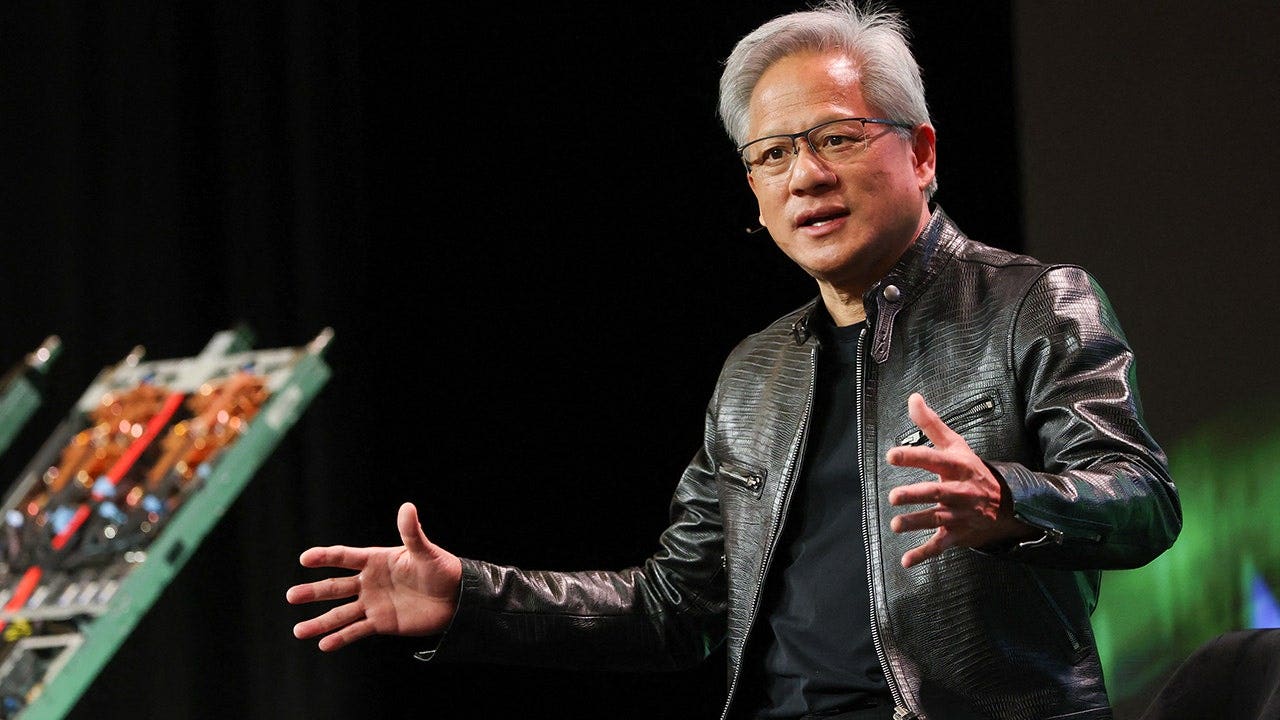
Nvidia’s sudden leadership shock lands at the worst possible moment for America’s AI edge. The fight with China is no longer just about chips or cash, but about trust, influence, and who gets to shape the future of computing.
The resignation of Jensen Huang after the Chinese spy scandal sends a loud signal that Beijing still knows how to exploit pressure points inside U.S. industry. Nvidia has been the crown jewel of the AI boom, and any wobble at the top invites rivals to push harder and faster. Xi Jinping has every reason to celebrate confusion on the American side.
China understands that AI is not just a business story. It is a power story, and whoever controls the best models, hardware, and supply chains gets a major edge in security, finance, and global leverage. If the U.S. loses momentum, Beijing gains room to breathe, regroup, and sell the world on its own tech future.
The first thing America needs is a hard reset on the China threat. That means dropping the old, comfortable idea that this is only a trade dispute or a few bad actors gaming the system. Chinese intelligence efforts are broad, persistent, and built for the long game, which is exactly why so many industries keep getting caught off guard.
There is also a plain truth about how China operates abroad. Its laws and political system do not treat business, academia, and state power as separate lanes the way Americans do. Anyone moving through those worlds with a Chinese passport can face pressure to provide information, and that reality should shape how U.S. leaders think about exposure and risk.
The second move is to back the competitors instead of acting like Nvidia is the only machine in town. AMD is already a serious player, and the biggest tech firms are racing to build their own custom silicon rather than rely on one supplier forever. That competition matters because a stronger domestic ecosystem is harder for China to knock off balance.
Google, AWS, Meta, and Microsoft are all pushing in that direction, and the market is responding. Their custom chips and cloud platforms are part of a larger shift toward flexibility and scale, which helps keep the AI supply chain from becoming a single point of failure. In a race this big, redundancy is strength.
That is why investment policy has to stay steady. America’s advantage has always been its ability to raise money, back startups, and move capital quickly when opportunity shows up. China leans on state direction, but the U.S. wins when private money keeps feeding the next wave of tools, software, and infrastructure.
Uncertainty around Nvidia matters because Huang was more than a CEO. He was a force holding together a wide AI ecosystem, from partners to customers to the companies building around his hardware. When that center of gravity shakes, every downstream player starts to wonder whether the funding, supply, and momentum will hold.
The market share fight is just as important. Nvidia once dominated China’s chip market, but Beijing’s push for self-reliance and U.S. export limits changed the picture fast. Huawei and other Chinese firms are eager to fill the gap, and they are not doing it out of charity.
That makes global competition unavoidable. The U.S. cannot act as though market share is a side issue while China treats it like strategic terrain. If American companies pull back too far, Beijing will happily occupy the space and turn it into a launchpad for its own ambitions.
What happens next will depend on whether Washington treats this as a wake-up call or just another corporate scandal. AI leadership is fragile, and the rivals are not waiting around. The country that keeps its nerve, protects its systems, and keeps building will still have the upper hand.
