
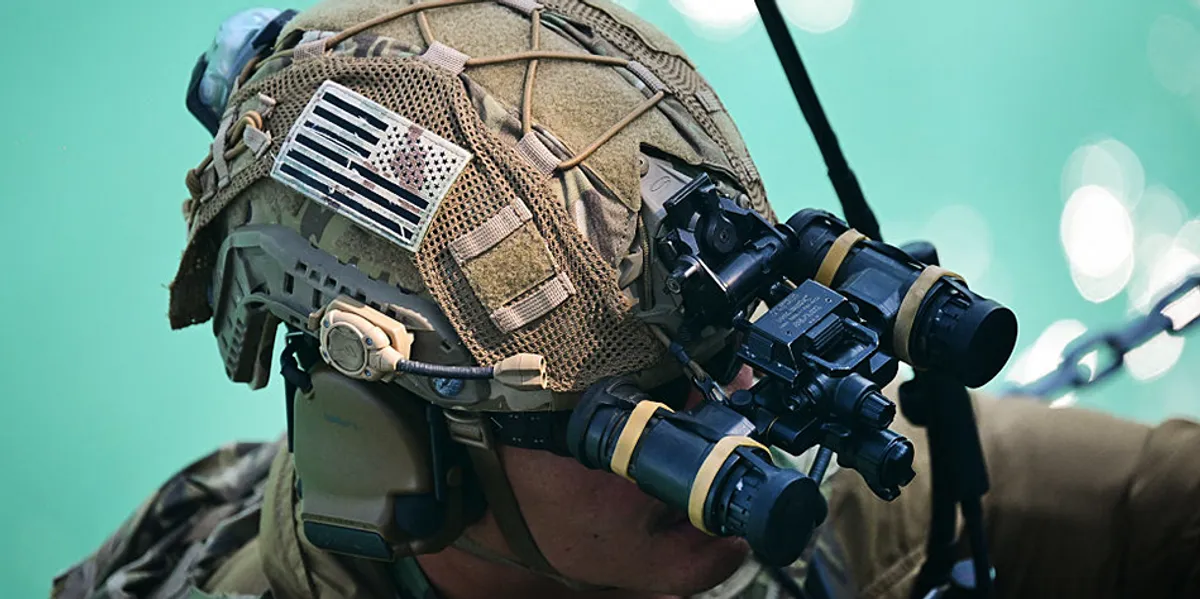
HP is stepping into a sharper, more aggressive era of personal computing, with plans that point straight at security, speed, and military-style resilience. The move signals a market where the PC is no longer just a desk companion, but a machine expected to hold up under tougher demands and more serious workloads.
That shift is happening as companies chase AI-heavy performance, hardened systems, and tools that can survive rough environments without flinching. HP’s direction suggests the old idea of a fragile consumer laptop is giving way to something sturdier, more specialized, and a lot more aligned with defense and enterprise needs.
The company’s latest positioning leans into the idea that modern hardware has to do more than look sleek. It has to protect data, support advanced computing, and stay reliable when the stakes get high. That kind of pitch lands hard in a world where cyber threats, remote operations, and mission-critical tasks are all colliding at once.
One of the biggest telltale signs is the focus on edge computing and AI-enabled systems. Those categories are becoming the new battleground for tech firms that want to stay relevant, because the next wave of demand is all about pushing intelligence closer to where work actually happens.
For HP, that means the PC is being treated less like a generic consumer item and more like a tactical platform. The company appears to be betting that customers want machines built for control, endurance, and compatibility with increasingly demanding software ecosystems. That is a very different vibe from the glossy marketing playbook of the past.
The military angle matters because defense buyers do not want hype, they want hardware that works when everything else is failing. Rugged design, secure architecture, and dependable performance are not buzzwords in that world, they are the whole sale.
At the same time, the broader computer market is shifting under pressure from AI, automation, and security concerns. Companies are rethinking what a PC should be capable of, and the answer is often bigger processing muscle, stronger safeguards, and more flexible deployment across environments.
HP’s strategy also reflects a simple reality: the future of computing is being shaped by trust as much as power. If a machine is going to help run sensitive operations, it has to earn confidence at every level, from hardware build to software support. That makes the company’s push feel less like a gimmick and more like a calculated move into a tougher lane.
There is also a broader cultural shift underneath all of this. PCs are no longer just for spreadsheets, browsing, and casual work, because they are increasingly tied to AI assistants, remote command centers, and specialized workflows that demand more from the device itself.
That evolution gives HP plenty of room to pitch systems that feel built for the next fight, not the last one. In a crowded industry, leaning into durability, defense readiness, and advanced computing is a loud statement, and it shows the PC is still very much in the middle of the action.
