
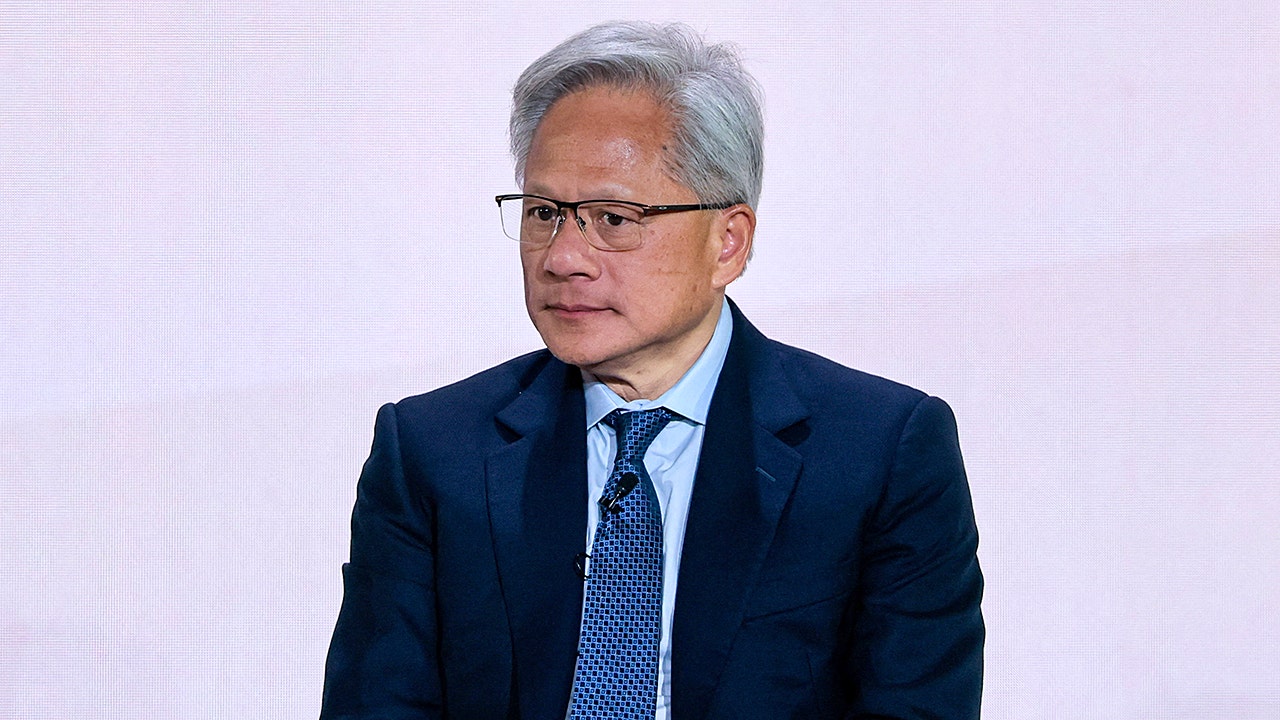
The shakeup at Nvidia has thrown the chip giant into a rare stretch of uncertainty, and Wall Street is now watching every move a lot more closely. Even with the shock from Jensen Huang’s resignation, analysts still point to the same core story underneath the drama: Nvidia’s grip on AI chips, the strength of demand, and whether the company can keep its momentum without the man who became the face of the boom.
Huang, who co-founded Nvidia in 1993, stepped down after reports of extramarital affairs, including one involving a Chinese businesswoman who U.S. authorities suspect of spying for Beijing. That set off a board investigation and instantly changed the conversation around one of the most powerful names in tech. Nvidia said veteran chief financial officer Colette Kress will take over as interim CEO, a move meant to calm nerves, though the market reaction showed how attached investors had become to Huang himself.
The stock took a beating right away, dropping as much as 14% from the previous close before trimming losses. By early afternoon, the decline had narrowed, but the message from traders was clear: this was more than a routine leadership change. Huang was not just running the company, he was part of the story investors were buying into, and that makes the path ahead feel a lot more fragile in the short term.
That is why next week’s earnings report has suddenly become a major event. Analysts say Nvidia’s results will be examined for signs that customer demand is still hot, that the AI buildout is alive and well, and that the company can keep executing without a stumble. The spotlight is brighter now, not because the business has weakened, but because the loss of a high-profile leader forces everyone to ask harder questions.
Still, the reaction from several market watchers has not been panic. Bret Kenwell of eToro said Huang helped turn Nvidia into the “crown jewel of the AI trade” and argued that his departure raises scrutiny without erasing the company’s appeal. In his view, the fundamentals that made Nvidia a powerhouse remain in place, and investors will be looking for fresh evidence that the demand story is still intact.
That kind of split reaction has become more common across tech, where huge swings have been the norm. James McCann of Edward Jones noted that volatility has already been running high in tech and AI-linked names, with the Nasdaq moving more than 1% up or down in seven of the last 10 sessions. Against that backdrop, Nvidia’s leadership drama adds another layer of noise to a market that was already jumpy.
McCann also pointed to the broader risk that comes when one company becomes so important to an entire theme. Nvidia has not just been a stock market favorite, it has also played a financial role in supporting other corners of the AI trade, which makes any uncertainty at the top feel bigger than one company story. Even so, he said the business itself has not changed in any meaningful way, and the real test is whether strategy and execution stay on track.
Dan Ives of Yorkville Ives took a similarly bullish stance, saying Huang’s exit marks the end of the “Godfather of AI” era but not the end of Nvidia’s dominance. He argued that the company still leads the GPU race by a wide margin and remains a couple of years ahead of its closest competitors. The big bet, in his view, is that demand for Nvidia’s chips keeps rolling even as the company moves into a new chapter.
Ives also pointed to Nvidia’s roadmap for its next generation of chips, which is expected to keep feeding the AI buildout. He acknowledged that China-related questions and export-control concerns are real pressure points, but said those issues are already baked into how the stock is being valued. For investors, that leaves a strange mix of nerves and confidence, with the business still powerful enough to command attention even as its old leadership script gets torn up.
