
Jemima Warner’s story lands with the force of a field report, not a footnote. A teenage bride marched into one of the hardest corners of the Revolution, carried her husband’s gear after he could not go on, and kept moving until history caught up with her on the front line. Her journey also shines a light on the rough, restless world of the Continental Army, where camp followers, riflemen, and raw survival all collided in the snow and mud of 1775.
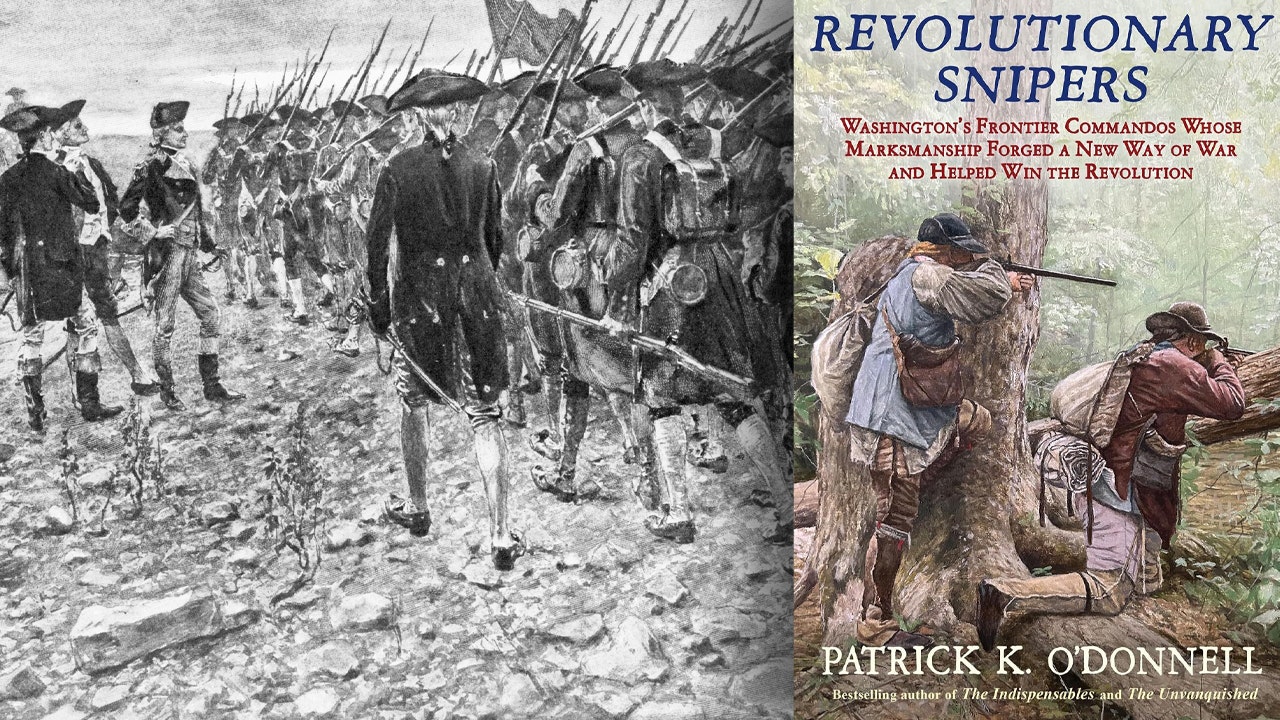
James Warner served in the 1st Pennsylvania Rifle Regiment, a unit made up of some of the best shots in Washington’s army. These men were not polished parade soldiers. Many were longhunters who knew the frontier by instinct, and their scouting, marksmanship, and woodcraft helped shape an early version of American special operations.
When Benedict Arnold led his force through the Maine wilderness toward Quebec, the march quickly turned brutal. The landscape chewed men up with freezing rain, swamps, bogs, rotten roads, and bad water, and hunger became its own enemy. By the time the expedition reached the edge of Canada, exhaustion had already done damage that the British could never match.
Jemima Warner was only 17, yet she stayed with the column as it pushed through the misery. She was one of the camp followers often called “Mollies,” a group that the army both relied on and resented. Officers sometimes complained that these women slowed the march and drained supplies, but the reality was far messier, because their presence also helped keep soldiers fed, clothed, and in the ranks.
Washington understood that better than many of his subordinates. He noted that without provisions for the “extra Women” attached to the regiments, the army risked losing men to desertion, even to the enemy. That blunt logic tells you a lot about the Revolutionary War, where ideals and survival were constantly in the same fight.
Camp followers were not just along for the ride. They worked as laundresses, cooks, and nurses, and some gathered intelligence by watching British positions while doing ordinary camp work. Their labor held parts of the army together, even if their names rarely made it into the polished version of the war.
Jemima’s role became extraordinary when she found her husband unable to continue. James Warner was sitting at the foot of a tree, refusing to move and telling her he was “determined to die.” After days of strain and starvation, she did what love and desperation required, leaving him bread and water before taking his rifle and marching on alone.
The scene is almost unbearable in its simplicity. A young woman who had already trudged hundreds of miles now moved through the wilderness carrying not just supplies, but the weight of a collapsing army and a collapsing marriage. The march from New England to Canada had become a test of endurance so severe that the weather, hunger, and terrain killed as surely as any enemy force.
When Arnold’s battered men finally reached Quebec and the siege began, Jemima appeared again with her husband’s rifle, powder horn, and pouch. The soldiers were stunned. She told them what had happened, and the story of her lonely trek spread through the camp like wildfire.
The Americans had already tried one surrender message under a white flag, only to have the British answer with cannon fire. So when they sent Jemima on the second demand for surrender, she crossed the dangerous ground herself and delivered the letter face to face. The British commander burned it in front of her, but she walked back alive.
That survival did not last long. On Dec. 11, 1775, British grapeshot struck and killed Jemima Warner during the siege of Quebec. She became one of the first documented American women killed in action, a grim marker in a war that was still young and already paying in blood.
Her story sticks because it does not fit the tidy version of the Revolution. It is not just about generals, declarations, or polished battlefield legends. It is about a teenage wife, a struggling rifleman, and an army stumbling through ice and hunger while ordinary people were forced into impossible choices.
