
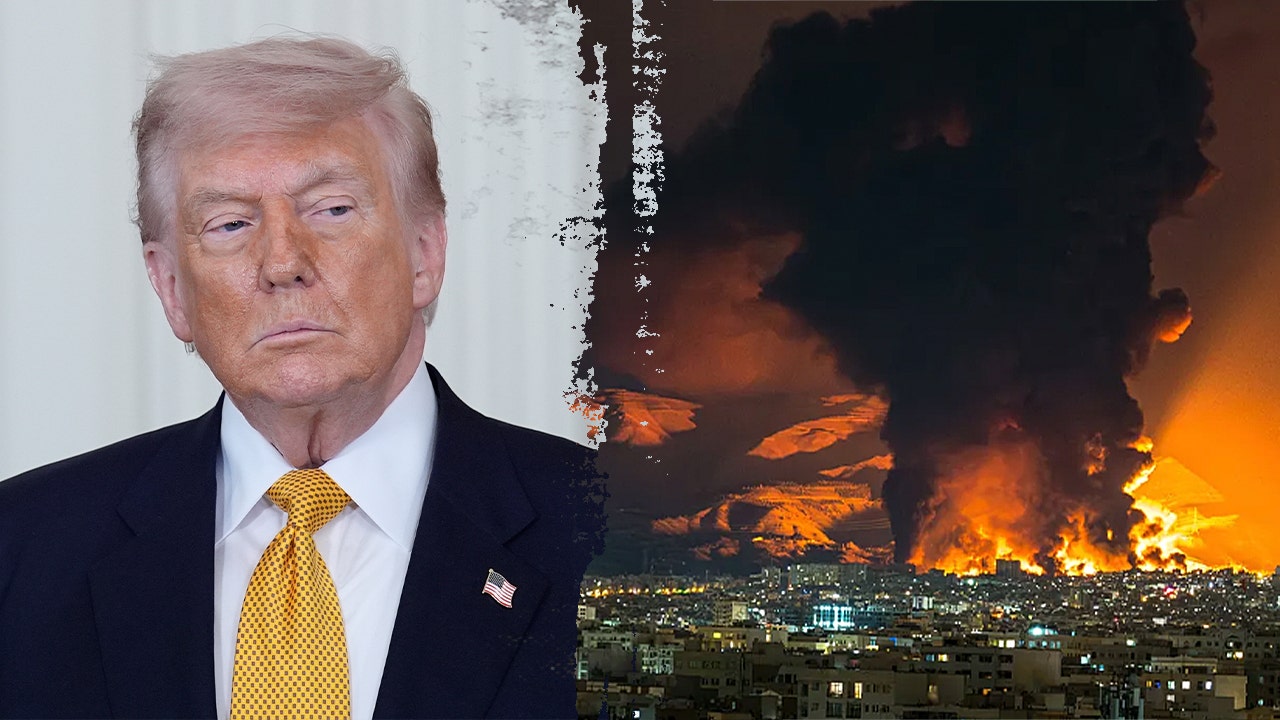
America has already changed the Iran equation in a way that cannot be walked back. The damage done to Tehran’s military setup, along with the hit to its economy, means the old playbook is gone. The real danger now is not the fighting itself, but the temptation to declare the job done too soon and let Iran crawl back into position.
That is the trap. Stopping a war and winning the peace are not the same thing, and treating them like they are can leave a much bigger mess behind. Iran’s ruling regime has spent decades building its identity around hostility to the United States and Israel, and that mindset did not appear by accident.
The history is ugly and long. From the embassy takeover in 1979 to Hezbollah’s attack on the Marine barracks in Beirut, from the AMIA bombing in Argentina to plots that endangered Americans at home, Iran has shown over and over that it uses terror, proxies and intimidation as tools of statecraft. Those events were not random bursts of anger, and they were not misunderstandings waiting for a nice diplomatic lunch to fix them.
Negotiation still matters, but it has to be grounded in reality. No serious deal is going to turn the Islamic Republic into a friendly democracy or a reliable partner overnight. At best, diplomacy can buy time, reduce danger and force restraint, but only if there is real leverage behind it.
That leverage has to be more than tough talk. Iran has heard the warnings, the threats and the speeches for years, and empty rhetoric does not scare a regime that has survived sanctions, isolation and pressure campaigns before. If the goal is to keep Tehran from rebuilding, the West needs consequences that are felt in the real world, not just phrased for television.
The nuclear issue makes that especially urgent. Iran has already advanced far enough to raise alarm bells, with enrichment, missile development, drone production and hidden infrastructure all working together in a dangerous mix. Temporary limits are not the same as permanent disarmament, and a paper agreement is not worth much if the regime keeps the skills and equipment needed to sprint back toward the bomb later.
That is why a half-measure approach makes so little sense. If military action has already been used, then the whole point is to stop the threat from re-forming, not to create a short pause and call it peace. Letting Iran rebuild after absorbing the blow would hand the regime time to study American methods, recover its losses and come back smarter.
The better path is a three-part strategy that works together instead of in pieces. Diplomacy should stay open, sanctions should keep squeezing the regime’s finances, and military force should remain available when Iran tries to restore capabilities that threaten U.S. interests or regional stability. Take away any one of those legs, and the whole thing gets shaky fast.
Economic pressure is part of that squeeze. Restricting money, weapons technology and key trade routes makes it harder for Tehran to bankroll its proxies or reconstruct the machinery of aggression. That matters because Iran does not act alone, and its reach depends on networks that stretch across Lebanon, Gaza, Yemen and beyond.
Military force also cannot become a one-time gesture. If Iran is caught rebuilding dangerous systems, and the legal and strategic conditions for action are met, then the response has to be real and repeated when necessary. Not reckless, not endless, but steady enough to make reconstruction feel risky instead of routine.
Gas prices and global shipping matter, and nobody should pretend otherwise. The Strait of Hormuz remains a huge pressure point, and any disruption can ripple through the economy in a hurry. But short-term comfort is a lousy trade if it buys a more dangerous Iran down the road, one that can menace oil routes, allies and American interests at the same time.
What victory looks like should be made plain. It does not require regime change, a surrender ceremony or fantasy-level transformation in Tehran. It means Iran cannot get nuclear weapons, cannot rapidly restore its missile and drone muscle, cannot keep arming proxies at the same pace, and cannot freely blackmail the world whenever it feels cornered.
That is the standard worth holding. A wounded bear is still a bear, and pretending otherwise is how people get hurt. The challenge now is to keep the pressure on long enough that Tehran understands rebuilding is not a safe bet, even if the shooting has slowed for the moment.
