
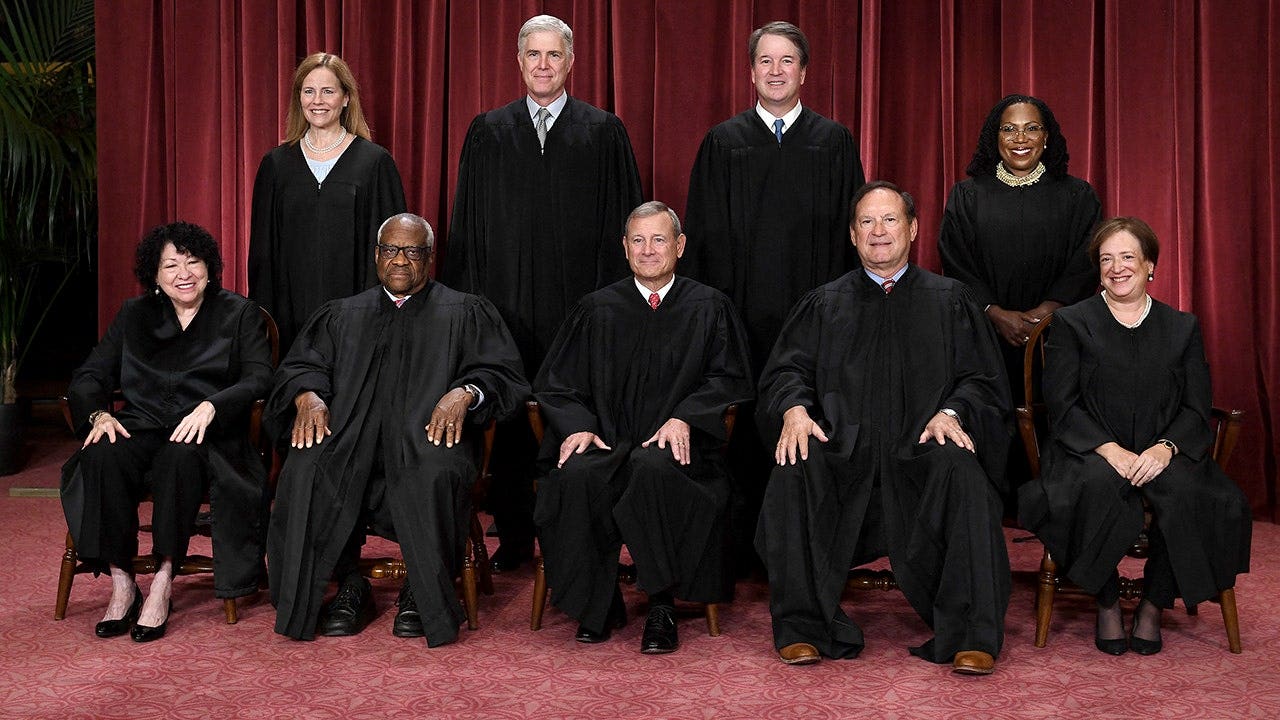
The midterm blowout has shifted more than the balance of power in Washington. It has also put fresh pressure on the Supreme Court, with Democrats now better positioned to push hard for a bigger bench and a weaker judiciary.
That matters because the Court is not just another political prize. It is one of the few institutions designed to stand apart from raw partisan muscle, and the fight ahead is really about whether that independence survives the next stretch of Democratic control.
Democrats came out of the elections with a sweeping win in the House and a stronger grip on the Senate than many expected. That kind of result does more than hand them committee gavels and procedural leverage, it gives them momentum to go after the structure of government itself.
The size of the victory was striking. Democrats picked up House seats across the map and turned in Senate gains in places that usually lean Republican, which makes the message impossible to miss. The voters did not just hand them power, they handed them a mandate that party activists will try to stretch as far as it will go.
For conservatives, the biggest concern is the Court’s current 6-3 conservative majority. That majority has already delivered on some of the right’s biggest legal goals, including ending Roe, recognizing the Second Amendment as an individual right, and striking down racial preferences in key settings.
But the math can turn ugly fast. Justice Clarence Thomas is 78 and Justice Samuel Alito is 76, and the calendar does not care about partisan timing. If either one leaves the bench soon, a Democratic Senate would have a far easier time slowing down or blocking a replacement.
That is where the real anxiety kicks in. Senate control changing hands means a retirement that once would have been routine can suddenly become a political war, and that kind of pressure is exactly what the Court was supposed to avoid.
There is also a longer game at work. The history of second-term presidents shows how tough it is for the same party to hang on at the White House, and Democrats know they may have a real opening in 2028. If that happens, they could wind up with the presidency and a Senate that is ready to make things much harder for originalist nominees.
Even the talk about persuading conservative justices to step aside feels like inside baseball compared with what Democrats are openly pushing. The loudest voices on the left are not just talking about new nominees, they are talking about changing the Court itself by adding seats and tilting it for good.
That idea is no longer fringe chatter. Well-known Democrats in Congress have already backed proposals to expand the Court, and high-profile figures in their orbit have treated court-packing as a legitimate fix rather than a constitutional problem.
The pattern is easy to see. A Democratic Congress can stage the votes, force lawmakers on the record, and build a public case for expansion while knowing a Republican president would block it for now. If the White House flips later, all that groundwork can be turned into action fast.
And that is the real danger. Once one party starts treating Supreme Court seats like poker chips, the other side will answer in kind, and the Court stops being a stabilizing institution and starts looking like a prize to be looted whenever power changes hands.
At that point, the issue is no longer one election or one retirement. It becomes a full-scale fight over whether the judiciary stays independent enough to protect basic rights when the political winds turn brutal.
