
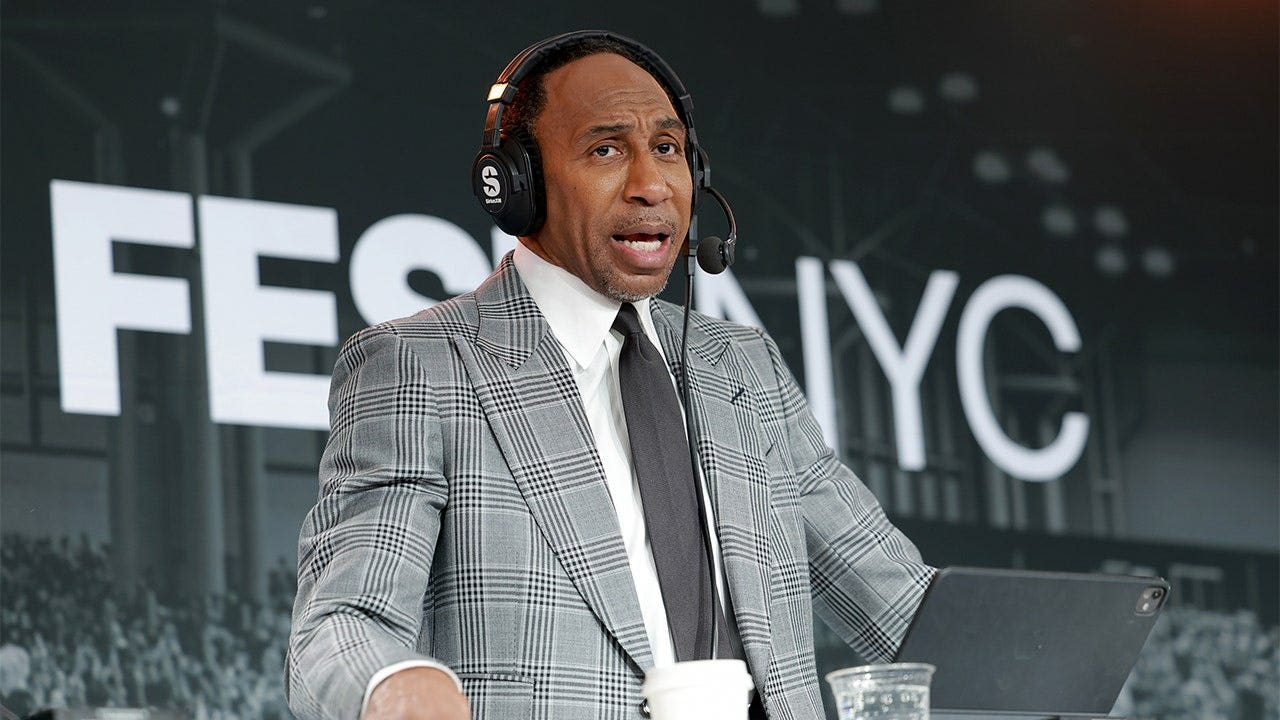
Stephen A. Smith’s White House exchange with Donald Trump landed in the middle of a bigger argument that keeps getting muddied by slogans. His warning was simple enough: if DEI is treated like a political tripwire, Black institutions can end up paying the price even when nobody intended that outcome.
That matters because the fight over DEI has never been just about whether companies or agencies should use race as a shortcut. It is also about what happens when the backlash gets so broad that ordinary support for HBCUs, minority-serving schools, and related programs starts looking dangerous to donors and executives. Once that fear sets in, people who might have funded scholarships, research, or recruiting suddenly pull back.
That retreat is not some abstract theory. Corporate philanthropy runs on confidence, and confidence disappears fast when every gift or partnership is treated like a legal or reputational gamble. If a company worries that backing an HBCU will be branded as a racial preference, the easiest move is to do nothing at all.
That is where the distinction gets important. Opposing racial quotas, box-checking, and hiring based on identity instead of ability is not the same thing as shutting the door on Black excellence. Merit-based rules are supposed to widen opportunity, not shrink it, and the moment race becomes the main credential, fairness takes a hit.
There is a real reason many Americans turned on DEI in the first place. A lot of these programs grew under heavy pressure, especially after 2020, and often looked more like public relations than serious performance strategy. Big claims about inclusion were rarely matched by hard proof that the policies improved results, lowered risk, or helped the people they were supposed to help.
Still, the correction can go too far. When every race-conscious effort is treated as suspicious by default, institutions start overcorrecting and avoiding Black organizations altogether. The result is a de facto freeze-out, even if the stated goal is colorblindness.
That kind of chilling effect hits HBCUs especially hard. These schools have spent generations building pipelines into medicine, business, engineering, education, and public service. They are not symbols on a corporate slide deck, and they are not interchangeable with the race-based hiring schemes many critics want gone.
Voluntary support for those schools is not the same as forcing quotas into boardrooms or admissions offices. One helps qualified people get access to opportunity, while the other distorts how opportunity is handed out once the competition is already underway. That difference is exactly what gets lost when DEI debates get reduced to chants and outrage.
Government policy can make the problem worse when agencies start pausing or cutting off research and outreach tied to minority institutions because the effort now looks risky. Private foundations and companies watch that and follow suit, not necessarily out of hostility, but out of self-protection. The message received is ugly either way: don’t touch it.
That is a bad outcome for everyone who believes in free markets and equal treatment. Black Americans benefit when talent, capital, and strong institutions can connect without race-based gatekeeping or race-based favoritism. The goal should be more access to the competition, not a system that rigs the competition before it starts.
Conservatives make the strongest case when they say that directly. Opposition to DEI should be tied to better schools, better training, fewer licensing barriers, and more room for young people to build real skills. That approach does more for Black advancement than any amount of performative equity language ever could.
Merit is not a threat to Black success. It is the foundation of lasting success, because it rewards competence, character, and performance instead of political labels. A system that judges people by what they can do, and not by how they are categorized, is not exclusionary. It is the only setup that gives Black Americans room to compete on equal footing and win on their own terms.
