
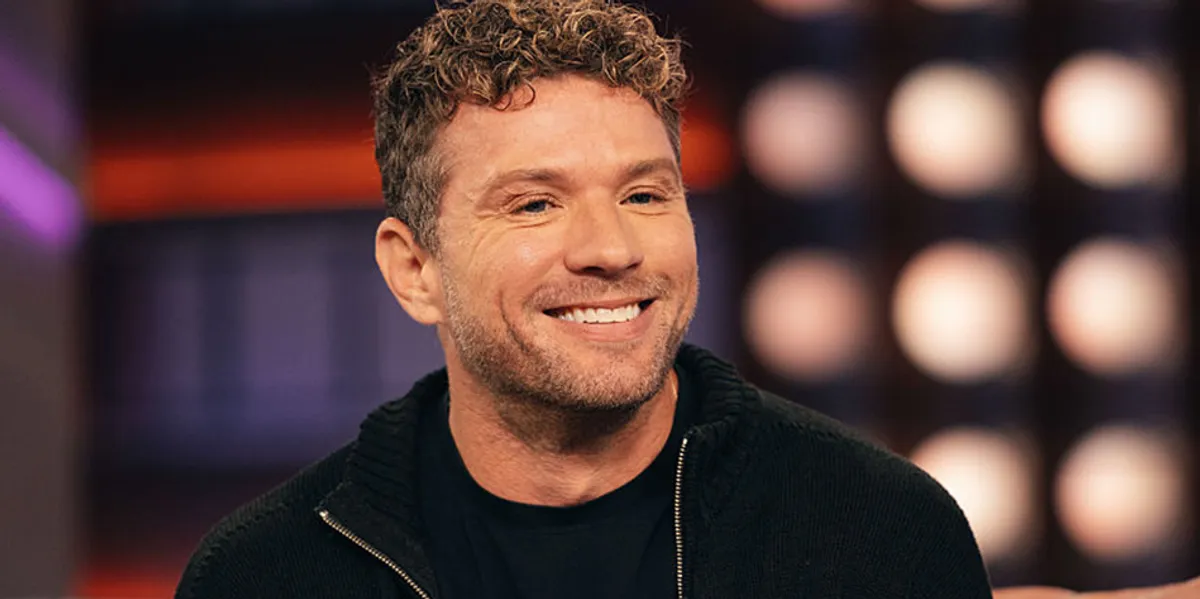
Ryan Phillippe is back in the middle of a culture fight after saying he is done with politics, only to get blasted by progressives who seem determined to keep the pressure on. The reaction is the kind of noisy, online backlash that has become standard whenever a celebrity refuses to stay inside the approved lane. What should have been a simple personal boundary quickly turned into another round of outrage, lectures, and moral posturing.
Phillippe’s comments landed in a climate where even stepping away from political talk can be treated like a statement in itself. For a lot of public figures, that is the trap, because silence gets read as weakness, disagreement, or betrayal depending on who is doing the listening. The result is a constant demand that celebrities either repeat the right slogans or get dragged for not performing loudly enough.
That dynamic is what made the backlash so predictable. Once a recognizable face says he wants out of the political food fight, activists often respond as if he has committed a social crime instead of simply choosing not to play along. It is less about his personal view and more about the modern obsession with controlling who gets to speak, when they speak, and whether they speak with enough enthusiasm for the crowd.
For years, Hollywood has encouraged stars to weigh in on everything from elections to law enforcement to immigration, and the applause usually depends on whether the opinion matches the progressive script. When it does, the praise is fast and loud. When it does not, or when someone opts out entirely, the same voices that demand “free expression” suddenly turn into enforcers.
Phillippe’s case also taps into a bigger frustration many Americans have with the way activism now works in celebrity culture. A public figure can say one thing out of line, or even refuse to join a cause, and the outrage machine kicks into gear almost instantly. The message is clear enough: independence is fine only when it does not challenge the crowd.
That kind of pressure tends to backfire because people can spot the double standard. A star who wants to step back from politics is not necessarily making a political statement at all, and treating it like one just feeds the sense that the loudest voices want total control. At some point, opting out stops looking controversial and starts looking like the most sensible move in the room.
The broader issue is not just one actor or one outburst from progressives. It is the way the entertainment world has become a place where personal opinions are policed like official doctrine, and anyone who deviates gets treated as a target. That creates a toxic cycle where fame invites attention, attention invites demands, and demands invite punishment if they are not met.
There is also something revealing about how fast the conversation shifts from the actual remark to the ritual of outrage. The substance matters less than the spectacle, and that spectacle is designed to keep people afraid of saying the wrong thing. In that environment, even a simple declaration like “done with politics” becomes a fresh excuse for another pile-on.
What makes this especially telling is that many of the same progressives who preach tolerance seem least tolerant when a celebrity refuses to keep feeding the machine. That disconnect is why these blowups keep resonating beyond Hollywood circles. People are tired of being told that every conversation must be political, every disagreement must be dramatic, and every boundary must be challenged until someone folds.
Phillippe may have wanted out of the noise, but the noise clearly was not ready to let go. The whole episode is a reminder that in today’s culture, backing away from the tribal script can spark more heat than taking a side ever did.
