
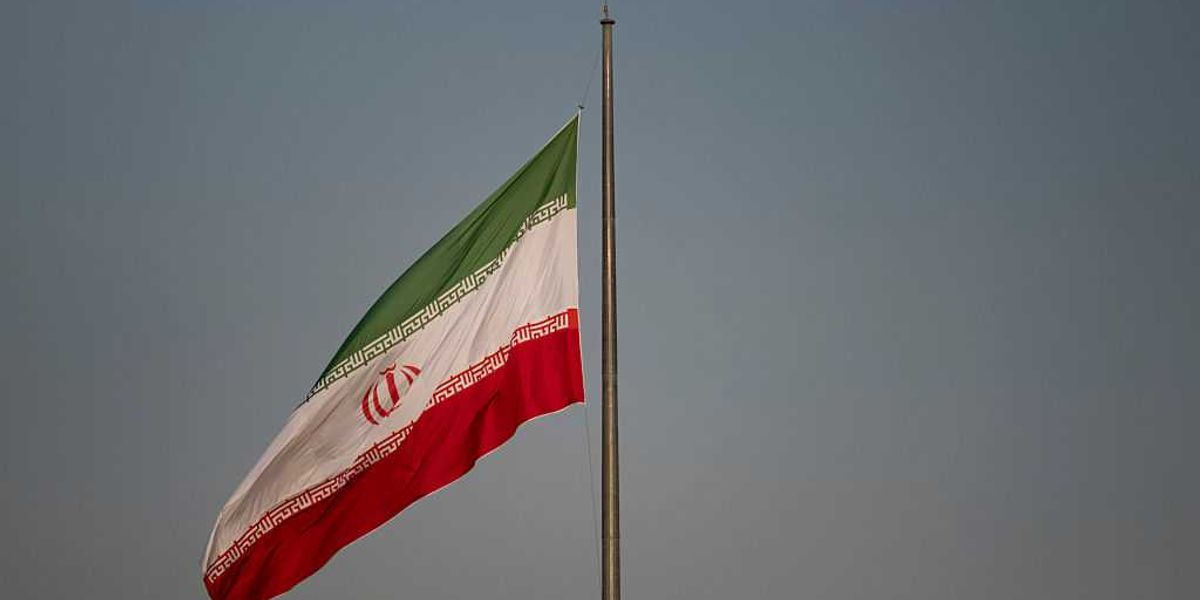
Revolution looks exciting from a distance, especially when it is wrapped in slogans about justice, dignity, and a brighter future. But history has a nasty habit of collecting the bill later, and the people cheering the loudest at the start are often the ones stunned by the aftermath. That lesson sits at the center of Iran’s modern story, where the coalition that helped bring down the shah ended up opening the door to something far harsher.
The 1979 Iranian Revolution was not driven by one neat ideological camp. Socialists, Islamists, students, clerics, and ordinary citizens all found reason to oppose Mohammad Reza Pahlavi, whose rule was seen by many as corrupt, repressive, and too tied to Western power. The strange part is that wildly different forces can temporarily unite when they share a common enemy, even if they have completely different ideas about what should come next.
That temporary alliance did not survive contact with reality. Once the shah was gone, the Islamists moved fast, organized better, and showed far more discipline than the leftist factions that had helped clear the path. The result was brutal: the promise of liberation gave way to a regime that crushed rivals, imposed hardline religious rule, and turned revolution into a machine for enforcing obedience.
There is a reason this story keeps resurfacing in American politics. When candidates or activists flirt with movements that mix socialism with Islamist language or symbolism, people remember what happened in Iran. The concern is not about some abstract theory on a whiteboard, but about a simple pattern: once a movement is built on grievance first and principles second, the most ruthless faction usually wins.
That same warning has started to echo in places far from Tehran, including within the Democratic Party’s activist wing. Figures connected to the DSA and broader democratic socialist politics often present themselves as the moral conscience of the left, but their alliances and rhetoric can raise eyebrows when faith, identity, and anti-Western sentiment get folded into the same political stew. The danger is not just bad messaging, but the kind of coalition politics that treats ideology like a costume instead of a creed.
New Jersey has become one of the places where those tensions are getting noticed. Names like Abdul El-Sayed and Adam Hamawy have drawn attention in discussions about the leftward drift inside Democratic politics, especially as activists try to blend social justice language with harder ideological edges. That blend may sound energetic in a campaign room, but voters are often smarter than consultants think, and they can tell when a movement is reaching for power faster than it is thinking about consequences.
Reza Pahlavi still stands in the background of Iran’s political memory as a symbol of what was lost and what never quite got recovered. For many Iranians, the issue is not nostalgia for monarchy as much as rage at what replaced it. The revolution that promised freedom delivered surveillance, intimidation, and a theocratic grip that still shapes every corner of life.
That is why comparisons between radical coalitions abroad and activist politics at home land so hard. Americans do not need to live through a revolution to see the danger in mixing absolutist politics with moral certainty and a taste for upheaval. Movements that preach compassion while flirting with authoritarian instincts often reveal themselves only after they have already gained influence.
The lesson is plain enough, even if plenty of politicians prefer not to hear it. Any movement that depends on angry alliances, vague promises, and a hunger to tear down institutions should be judged by what it is likely to build, not what it claims to hate. Iran’s history shows what happens when people mistake momentum for wisdom, and that memory still has a way of making modern political chatter sound a lot less glamorous than it thinks it does.
