
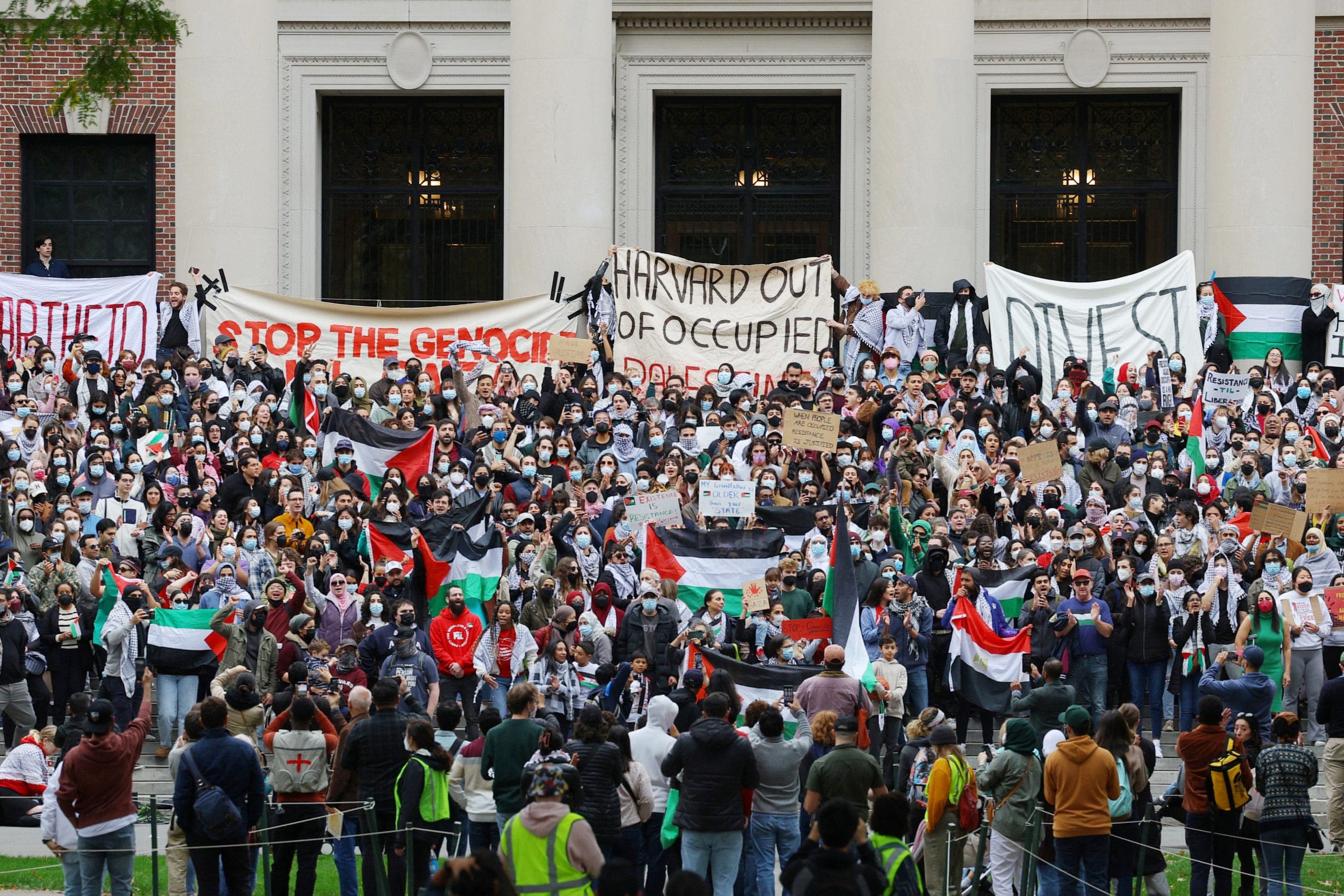
The pressure on American universities is no longer just about tuition, research, or campus politics. It is now about whether schools will keep chasing foreign money while turning a blind eye to radical slogans, antisemitism, and the kind of activism that glorifies terror. For students who fled repression and came to the United States for freedom, that shift hits especially hard.
Picture a campus that actually lived up to the values it claims to defend. Instead of students blaming victims after the Oct. 7 Hamas massacre, imagine universities drawing a hard line against chants, posters, and protests that cheer on violence. Instead of watching American flags get ripped down and replaced with symbols tied to extremism, imagine schools defending the country that gives them their prestige in the first place.
For refugees who escaped authoritarian systems, the warning signs are familiar. Radical movements often begin in classrooms and lecture halls, where idealism gets hijacked by people who promise righteousness and deliver chaos. That is how education stops being education and starts becoming a pipeline for political destruction.
One voice in this debate comes from someone who lived through that collapse firsthand. Arriving in America as a child after fleeing Iran, that experience comes with a deep appreciation for what this country offers and a sharp alarm when universities seem more interested in ideological performance than civic responsibility. Public education, opportunity, and professional success do not mean much if the institutions producing future leaders treat America with contempt.
The campus climate after Hamas’ attack on Israel only sharpened those concerns. At multiple schools, student groups and faculty voices rushed to excuse the bloodshed, celebrate “resistance,” or blame Israel before the dead were even counted. That sort of reaction does not stay neatly confined to one conflict, either. It bleeds into broader hostility toward Jewish students, American institutions, and the basic idea that murder should never be romanticized.
Foreign funding adds another layer of unease. Universities across the country have pulled in tens of billions of dollars from overseas sources, with Qatar standing out as the largest donor. That matters because Qatar has also hosted Hamas’ leadership for years, raising obvious questions about influence, priorities, and what exactly is being purchased when that money lands on campus.
The problem is not simply that foreign money exists. The real issue is the leverage it can buy, especially when it flows through foundations and academic partnerships that give outside governments a polished image inside American higher education. When a regime with no interest in free speech bankrolls institutions that lecture Americans about liberty, the arrangement starts to look less like philanthropy and more like strategic branding.
That is why so many critics want universities to take a harder line. Schools already enforce standards on cheating, harassment, and threats. There is no reason they cannot also decide that praising terrorists, celebrating massacres, or spreading antisemitic bile crosses a line that no serious academic community should tolerate.
What makes the whole mess so frustrating is how avoidable it all feels. Universities still have the power to say no to certain money, no to extremists in their ranks, and no to the idea that every cause deserves a podium. They can choose students who build, invent, and lead instead of rewarding those who tear down the very civilization that gave them a place to speak.
That choice would not just protect campus life. It would shape the kind of graduates who walk into labs, boardrooms, hospitals, and government offices. A university that prizes discipline over fashionable rage will produce people who strengthen the country instead of sneering at it, and that difference is felt long after commencement ends.
America’s colleges were once places where ambition, merit, and national pride could coexist without apology. The hard question now is whether enough of them still remember that mission, or whether foreign cash and imported radicalism have become too comfortable to challenge.
