
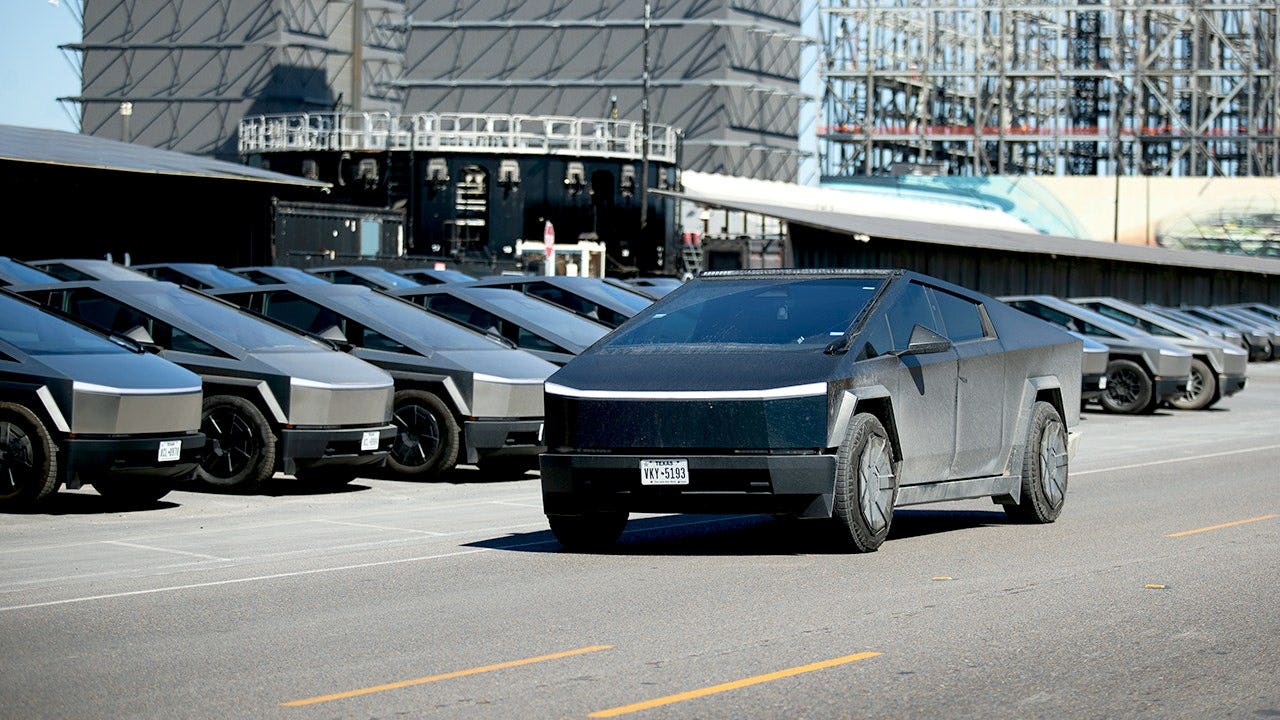
Tesla’s Cybertruck is heading into a rough patch after the hype faded, sales cooled, and recalls kept piling up. Elon Musk now wants to shift factory space toward Cybercab production, leaving the futuristic pickup staring at an uncertain future while owners and buyers wonder what happens next.
The Cybertruck was never a quiet launch. Its sharp-edged design, stainless steel body, and impossible-looking shape made it one of the most talked-about vehicles on the road before most people had even seen one in person.
That buzz has not translated into lasting momentum. Musk has said Tesla plans to wind down Cybertruck production at its Texas factory around mid-2027, with more focus going to the company’s self-driving taxi effort. For now, the move appears tied to Gigafactory Texas, and Tesla has not publicly said whether Cybertruck production could shift elsewhere or disappear entirely.
The sales picture helps explain why Tesla is leaning in a different direction. Early reservation numbers were huge, but reservations are not the same thing as actual purchases, and the final tally has been far more modest than the headline-grabbing launch suggested. Kelley Blue Book estimates show U.S. Cybertruck sales slipping from 38,965 in 2024 to 20,237 in 2025, then slowing again in the first nine months of 2026.
That kind of drop is tough to ignore, especially for a vehicle that was once pitched as a breakout hit. Tesla originally floated a starting price under $40,000 for a single-motor version, but that model never arrived at the promised number. By late 2026, the least expensive version available to order had climbed far higher, landing well into luxury territory.
Price alone would be enough to give shoppers pause, but the Cybertruck has had another problem shadowing it from the start: recalls. The National Highway Traffic Safety Administration has listed 11 Cybertruck recalls since deliveries began in late 2023, and some of them involved serious issues ranging from accelerator pedal problems to exterior trim pieces coming loose while driving.
Not every recall was dramatic in the same way, and some were narrow in scope. Still, the stream of fixes did little to build confidence around a vehicle that already looked like a gamble to many buyers.
The truck’s reputation took another hit during its famous debut, when Tesla tried to show off the strength of its glass and ended up with cracked windows on stage. That clip spread everywhere, and the moment became part of the Cybertruck legend before most customers had a chance to drive one.
Now Tesla is betting bigger on Cybercab, its driverless two-seat taxi concept. The vehicle has no steering wheel or pedals, and the pitch is simple: get in, pick a destination, and let the software handle the rest.
That may sound futuristic, but it also comes with obvious questions. Tesla has already begun carrying paying passengers in Austin, and regulators are still examining how the company certified the vehicle for safety standards. No violations have been established, but the scrutiny shows how much is still being worked out in public.
For current Cybertruck owners, the news does not mean instant trouble. Tesla has not announced that warranties are going away or that service support is ending, and there has been no public sign that owners need to panic. Even so, parts availability and long-term support always become bigger questions when a vehicle moves from priority product to fading side project.
Potential buyers have even more to think about. A truck with a limited run can become collectible, but weak demand can just as easily hurt resale value, and the Cybertruck has already seen plenty of both curiosity and skepticism. Anyone thinking about buying one would be wise to check recall status, ask about service support, and think hard about whether this is a vehicle to keep for the long haul.
What makes the whole thing so striking is the speed of the pivot. Tesla spent years building the Cybertruck up as a symbol of the company’s future, then started shifting attention to a car that may not even be driven by its passengers. That is a bold bet, and it leaves the stainless steel pickup looking less like a revolution and more like a detour Tesla is already eager to leave behind.

1 Comment
Any to Rent later