
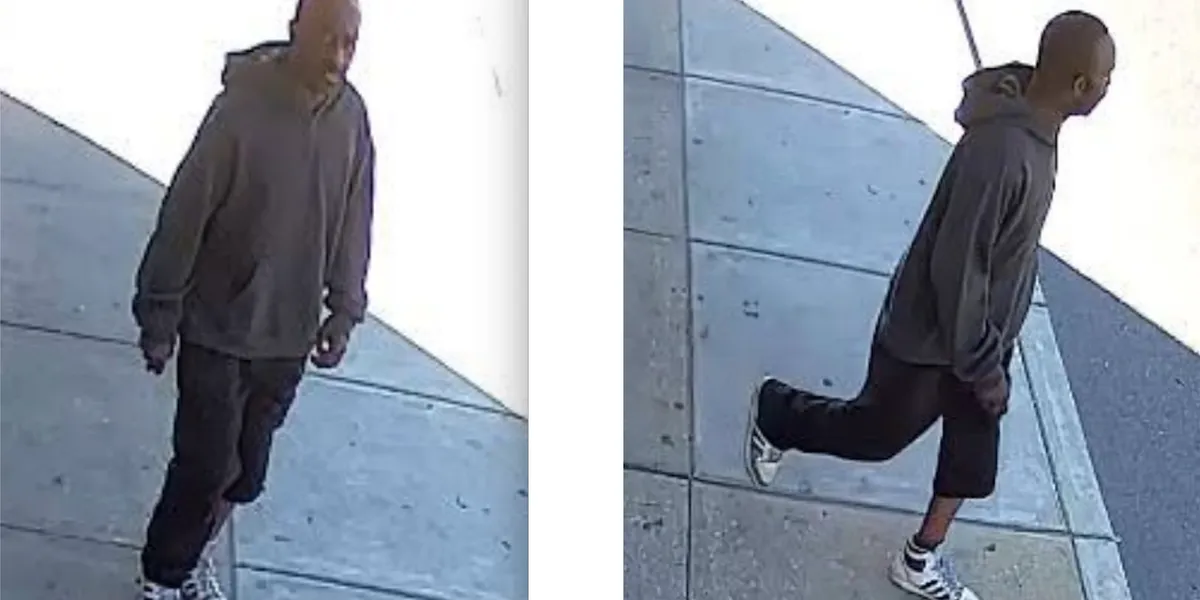
An elderly man riding an e-bike was suddenly and violently attacked in broad daylight, and the footage tied to the incident has stirred outrage because there was nothing about it that looked like a fair fight. What happened next added a different kind of shock, because a stranger stepped in with help when the victim needed it most. The episode has put a harsh spotlight on random street violence, bystander courage, and how fast ordinary moments can turn ugly.
The incident unfolded in Ridley Township, Pennsylvania, where surveillance video reportedly captured the attack with no warning and no obvious provocation. The man was simply out on his bike when another person moved in and launched into a brutal beating, leaving the scene looking chaotic and deeply disturbing. Events like this hit hard because they strip away the illusion that daylight and busy streets always mean safety.
What makes the assault so unsettling is its randomness. There was no sign of a confrontation building up, no visible exchange that would suggest tempers had flared, and no sense that the victim had any real chance to prepare. That kind of sudden violence leaves people rattled because it reminds everyone how quickly a normal day can flip into a nightmare.
Police later treated the incident as a serious crime, and the video became a key piece of the story. In cases like this, surveillance footage does more than document the damage, since it can also help separate fact from rumor and give investigators a clearer picture of what actually happened. The public reaction tends to be immediate when footage surfaces, especially when the person targeted appears vulnerable and the assault looks one-sided from the start.
The victim’s age only sharpens the emotional edge of the story. An elderly man on an e-bike is not the image of a threat or a challenge, which is part of why the attack has drawn so much attention. When violence lands on someone who seems especially exposed, it hits people as more than a crime, it feels like a collapse of basic decency.
Then came the part that shifted the tone from pure shock to a mix of relief and gratitude. A Good Samaritan reportedly stepped in and offered unexpected help, giving the victim support when the situation could have gotten even worse. Those moments matter because they show how one person willing to act can cut through fear and make a real difference in a few tense seconds.
Good Samaritan stories tend to resonate for a reason. Most people understand the split-second pressure of deciding whether to stay back or move toward danger, and that choice says a lot about character. In public life, people often worry about what is going wrong, but these small acts of courage prove that instinct, empathy, and plain human decency are still alive.
The attack also lands in a larger conversation about public order and the rising frustration people feel when violent behavior seems to erupt without warning. Nobody wants to live in a place where an older man can be knocked around in broad daylight and passersby have to wonder whether stepping in will make things worse. That tension is real, and it explains why incidents like this trigger such intense reaction long after the footage stops rolling.
There is also something chilling about how ordinary the setting likely was before the violence started. Sidewalks, bike paths, parking areas, and neighborhood streets are supposed to be the places where daily routines feel safe enough to ignore. When a random attack blows that sense apart, it leaves a mark on everyone who sees it, because the message is blunt and ugly: chaos can show up anywhere, fast.
Even with the ugliness of the assault, the response from the Good Samaritan keeps the story from being only about cruelty. People remember the attack, but they also remember the person who showed up and did not look away. That contrast is powerful, and it is exactly why some stories linger so long in the public mind.
