
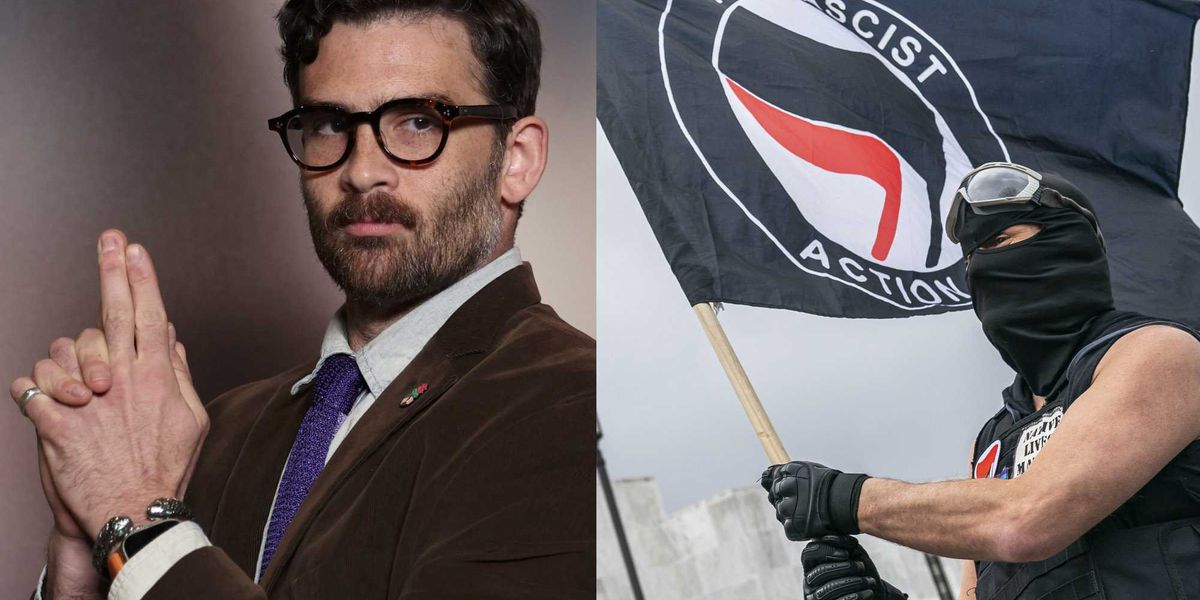
Hasan Piker is once again stirring the pot, this time by arguing that Democrats need to think bigger, act tougher, and hold together the kind of coalition that helped them win. His case is blunt: if the party wants to keep voters who see themselves as anti-fascist and anti-authoritarian, it cannot afford to play small or safe.
The reaction around that message says a lot about where American politics sits right now. Democrats are still trying to balance activists, moderates, and a restless voting base, while Republicans keep hammering kitchen-table issues like gas prices, spending, and the broader direction of the country. That mix creates a pressure cooker, and comments like Piker’s land right in the middle of it.
Piker framed the moment as one where timidity could cost Democrats the edge they gained. That kind of language has become familiar in progressive circles, where voters are often told that boldness is not optional and compromise can look too much like surrender. The message is less about polish and more about keeping energy alive when the political fight gets ugly.
What makes the discussion especially sharp is the phrase “do the unthinkable,” because it suggests that normal political habits may not be enough. For supporters, that can sound like a call to courage, a demand to stop tiptoeing around opponents who are already going hard. For critics, it can sound like a sign that the left is drifting further away from practical governance and deeper into movement politics.
The anti-fascist label also matters here, because it is not just a slogan. It is part identity, part warning, and part organizing tool for voters who believe the stakes go beyond ordinary partisan squabbling. When that kind of language becomes central, the fight is no longer just about taxes or turnout, but about moral urgency and political loyalty.
That urgency can energize a base, but it can also make coalitions fragile. Elections are won by bringing together people who do not always agree on everything, and the challenge for Democrats is keeping those groups in the same tent without losing control of the message. When the rhetoric gets heated, every disagreement starts to look bigger than it really is.
Republicans, meanwhile, have been happy to frame the debate around everyday frustrations that hit voters directly. Rising costs, shaky confidence, and endless ideological battles are easy to sell as proof that the other side is out of touch. That is why this kind of exchange matters, because the battle over language often spills into the battle over who voters trust to handle real-world problems.
Piker’s remarks fit a broader pattern in which media personalities, activists, and online influencers shape the tone of politics almost as much as elected officials do. A sharp comment can travel faster than a policy paper, and a charged phrase can set off days of debate. That gives voices like his outsized influence, especially in an era where attention is currency.
At the same time, there is a real question about whether constant escalation helps anyone govern better. Movements need passion, but they also need discipline, or they risk turning every internal debate into a public rupture. That tension is not going away anytime soon, and it is exactly why comments like these keep cutting through the noise.
