
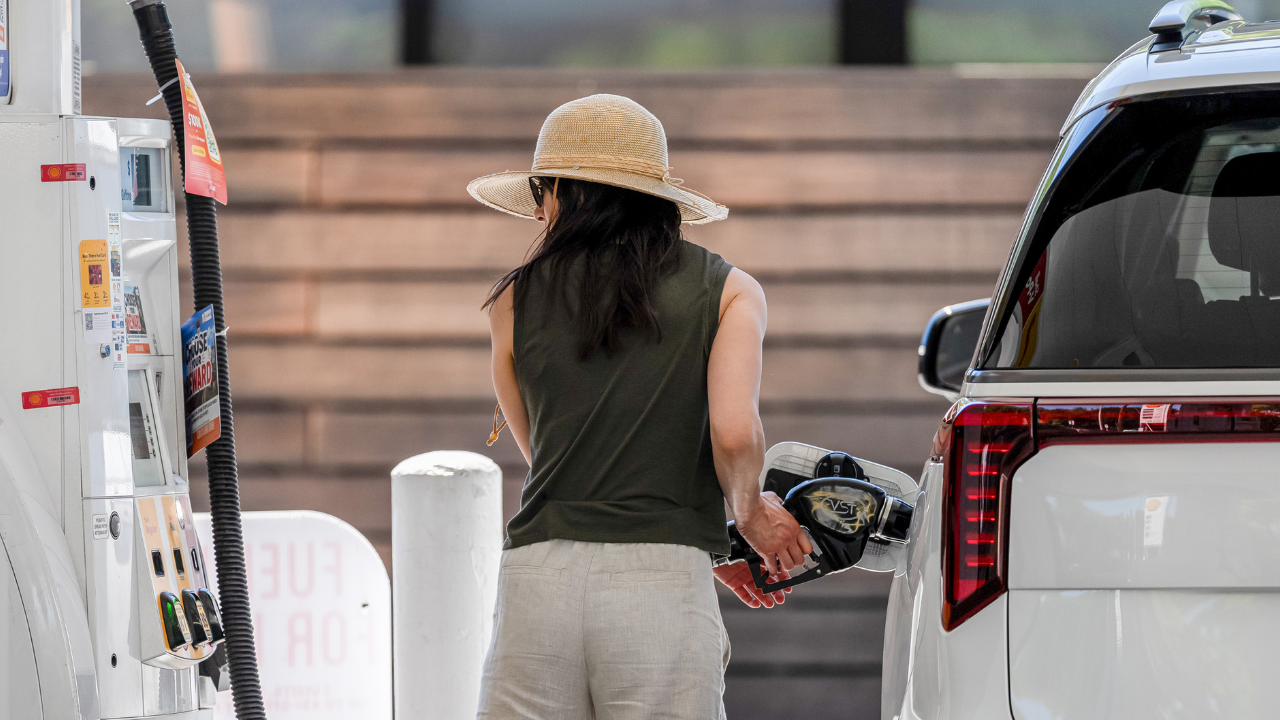
After the latest election drubbing, the message from voters was loud and plain: the cost of living is crushing them, and energy prices are at the center of it. The fix, at least in political terms, is not subtle, and it starts with putting affordability ahead of every other fight. If the goal is to rebuild trust fast, the first move has to be about showing that pain at the pump and pressure on family budgets are being treated like an emergency, not background noise.
Republicans were handed a wake-up call, and pretending otherwise would only make the problem worse. Voters do not want excuses about process or talking points; they want relief they can feel in their weekly bills. That means admitting the losses were fueled by a mix of bad optics, weak candidates, tariffs, conflict abroad, and, above all, stubbornly high gas prices.
The fastest way to reset the conversation is to speak directly to people who are stretched thin. A presidential address that acknowledges financial stress would go a long way, especially if it makes clear that every policy decision from here on out should be judged by one question: does it help working families pay the bills? Farmers, ranchers, and small business owners should be part of that promise too, because they get hit just as hard when fuel costs stay elevated.
Energy policy is where the rubber meets the road, and that is where the political fight is going to be won or lost. If legislation comes along that raises energy costs, it should be rejected without hesitation. Voters have no patience for Washington schemes that talk green while leaving ordinary people with a bigger bill at the pump.
There is also a strong case for using executive power to create immediate pressure on fuel prices. Suspending the federal gas tax, even temporarily, would send a clear signal that the White House is serious about relief, not just rhetoric. Pair that with an effort to roll back rules that pad the cost of gasoline and diesel, and the administration would finally be moving in the direction people asked for.
If the executive branch hits legal limits, Congress should be forced to show its hand. Lawmakers who campaigned on lower prices ought to be challenged to pass emergency measures that cut the cost of fuel right away. If they stall, block, or posture, voters will see exactly who is serious and who is just performing for cable news.
The broader energy picture matters just as much as the taxes. Permitting reform is a big deal because it affects whether new refineries and pipelines ever get built, and that has a direct effect on supply and price. The same goes for the mix of state and federal rules that keep production constrained while everyone pretends the problem is mysterious.
State politics are part of the pain too, especially in places that pile on extra fuel taxes and restrictions. Some states already charge far more than the federal gas tax on top of the base cost, and policies that block drilling or punish energy companies only make things worse. When leaders brag about climate virtue while families are paying more every time they fill up, the disconnect is impossible to miss.
That is why affordability cannot be treated as a slogan. It has to become the organizing principle of the next stretch of governing, or the political backlash will only keep growing. People are not asking for fancy theories or high-minded lectures. They are asking for a break when they pull up to the pump, and they are watching closely to see who is willing to give it to them.
