
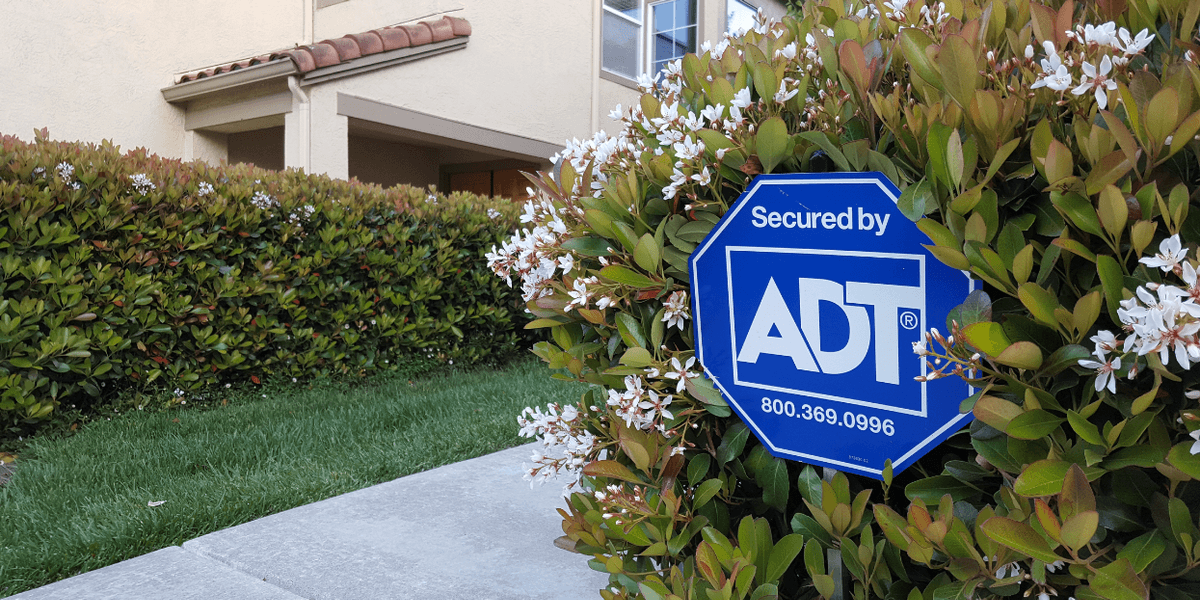
A major home security brand has landed in the middle of a fresh privacy debate after a Democrat billionaire-linked purchase tied the company to a larger artificial intelligence project. The move raises obvious questions about who controls sensitive household data, how far that data can travel, and what happens when everyday security tools start feeding bigger tech ambitions.
The deal centers on one of the best-known names in home protection, a company that built its reputation around keeping cameras, sensors, and smart devices working together inside people’s homes. That kind of business depends on trust, because customers are not just buying equipment, they are handing over a front-row view of their lives. Once that trust gets tangled up with AI, the stakes shoot up fast.
Supporters of the deal are likely to frame it as a smart move in a crowded market. Home security is no longer just about alarms and door sensors, since the modern customer expects video, automation, and seamless digital control from a phone. For a buyer with deep pockets and tech interests, that makes the company an attractive piece of the puzzle.
But the backlash practically writes itself. People do not like the idea of their home footage, movement patterns, and daily routines becoming training material for artificial intelligence, especially when the company holding that data changes hands in a high-profile deal. Even if the business insists that privacy rules still apply, the concern is not hard to understand.
The issue is not just whether data is protected today, but where the company is headed tomorrow. A home security firm sits on some of the most personal information imaginable, from when someone leaves for work to whether the house is empty on weekends. If that information is used to improve AI systems, the line between security service and data pipeline starts to blur in a hurry.
That blur matters because consumers often assume a product is there for one purpose only. They want alarms to sound, cameras to record, and apps to notify them when something is wrong. They do not usually expect their home behavior to become part of a broader tech experiment, even if the company says the process is anonymous or heavily restricted.
The connection to a Democrat tycoon adds another layer of political and cultural tension. In an era when giant technology companies already face heat over censorship, surveillance, and data collection, any deal that brings home security closer to AI will draw scrutiny from both privacy hawks and skeptical buyers. The optics are especially rough when the customer base is built on the simple promise of protection.
There is also a practical business angle that cannot be ignored. Home security firms live or die on consumer confidence, and a single perception problem can spread quickly. If buyers start worrying that smart cameras are doing more than securing a front porch, competitors will be ready to pounce with a cleaner message about privacy and control.
That is why these deals get so much attention. They are never just about ownership on paper, because ownership shapes incentives, product direction, and how aggressively a company will push data-rich features. Once AI enters the picture, the old selling points about convenience and peace of mind start sharing the stage with tougher questions about consent and transparency.
For a lot of households, the real test is simple: does the company still act like a guardrail, or does it start acting like a collector? In the smart-home world, that distinction can vanish fast, especially when business partners and outside investors want access to the same stream of user behavior. That is where unease tends to turn into resistance.
The broader tech industry has already shown how quickly trust can be damaged when companies stretch their mission too far. A home security brand can spend years building a reputation for reliability, then put that reputation at risk in one headline-making acquisition. Customers may keep their subscriptions, but they will be watching a lot more closely now.
