
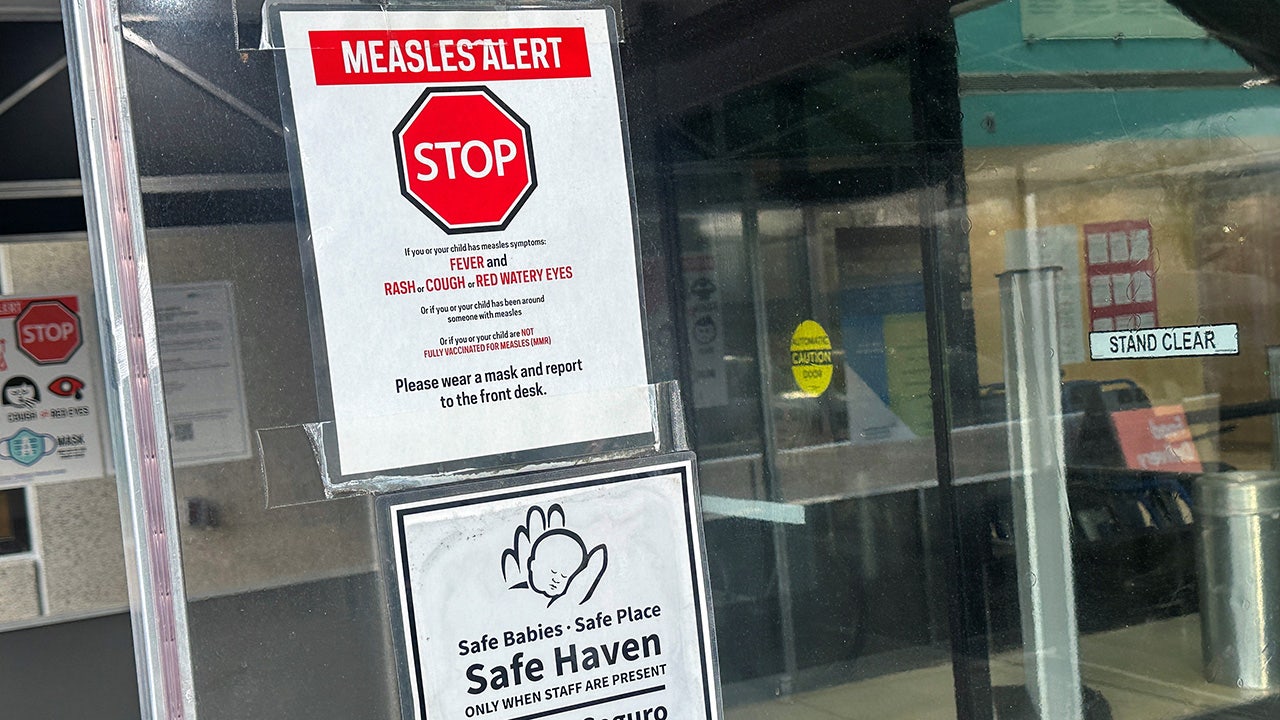
An infant’s death in Wisconsin has brought a grim new edge to the state’s measles outbreak, ending a 36-year stretch without a fatal case tied to the disease. The situation has unfolded alongside a sharp rise in infections, with health officials reporting hundreds of cases across multiple counties and warning that the virus is still moving fast.
State health officials said the child died in southwestern Wisconsin, but they did not release a more exact location or identifying details. That decision was made to protect the family’s privacy, while the coroner listed measles as the immediate cause of death.
“It is with a heavy heart we are reporting the first death of an infant connected with a measles outbreak in Wisconsin in many years. My heart is broken for the family,” state Department of Health Services Secretary Kirsten Johnson said in a statement.
Johnson also stressed the danger of a disease many people think of as old news. “Any death of a child is a tragedy and even more so when it is related to a vaccine-preventable disease. Measles can cause serious illness and death, and it is important for all Wisconsinites to evaluate their risk and take steps to protect themselves and their family,” she continued.
Measles is not just a rash and a fever. It can lead to pneumonia, brain swelling and other life-threatening complications, and the threat is especially serious for children under 5, pregnant people and those with weakened immune systems.
Wisconsin officials said the state has logged 431 measles cases in 13 counties this year, the highest total in more than 35 years. Nine patients have needed hospital care for severe symptoms, a sign that the outbreak is creating real pressure, not just isolated scare headlines.
Public health leaders are urging families to take the risk seriously and act before exposure turns into infection. The message from state officials has been steady and blunt: the best protection against measles is the measles, mumps and rubella vaccine.
The outbreak has also pulled in wider federal attention. The U.S. Department of Health and Human Services previously said that “Secretary Kennedy and CDC Director Dr. Erica Schwartz continue to make clear that the MMR vaccine is the most effective way to prevent measles.”
The Wisconsin fatality did not happen in a vacuum. Earlier in the week, New York reported a child’s death in Lewis County, the state’s first measles-associated death in more than 30 years, adding more urgency to a national outbreak that has been building for months.
New York Gov. Kathy Hochul said she was “heartbroken” after learning of that child’s death. “As a mother and grandmother, I cannot imagine what this family is going through. My heart goes out to everyone who knew and loved this child,” Hochul said in a statement.
At the national level, the CDC has reported four measles-associated deaths this year, though state health departments have put the total higher. Pennsylvania officials, for example, have confirmed six measles-associated deaths in 2026 and are still reviewing another case that has not yet met the state’s criteria.
The broader picture is hard to ignore. Measles has gone from something many families thought belonged to the past to a current public health threat, and the rising case counts in states like Wisconsin and New York are forcing officials to keep repeating the same warning, because the virus is not waiting around for people to get comfortable.
