
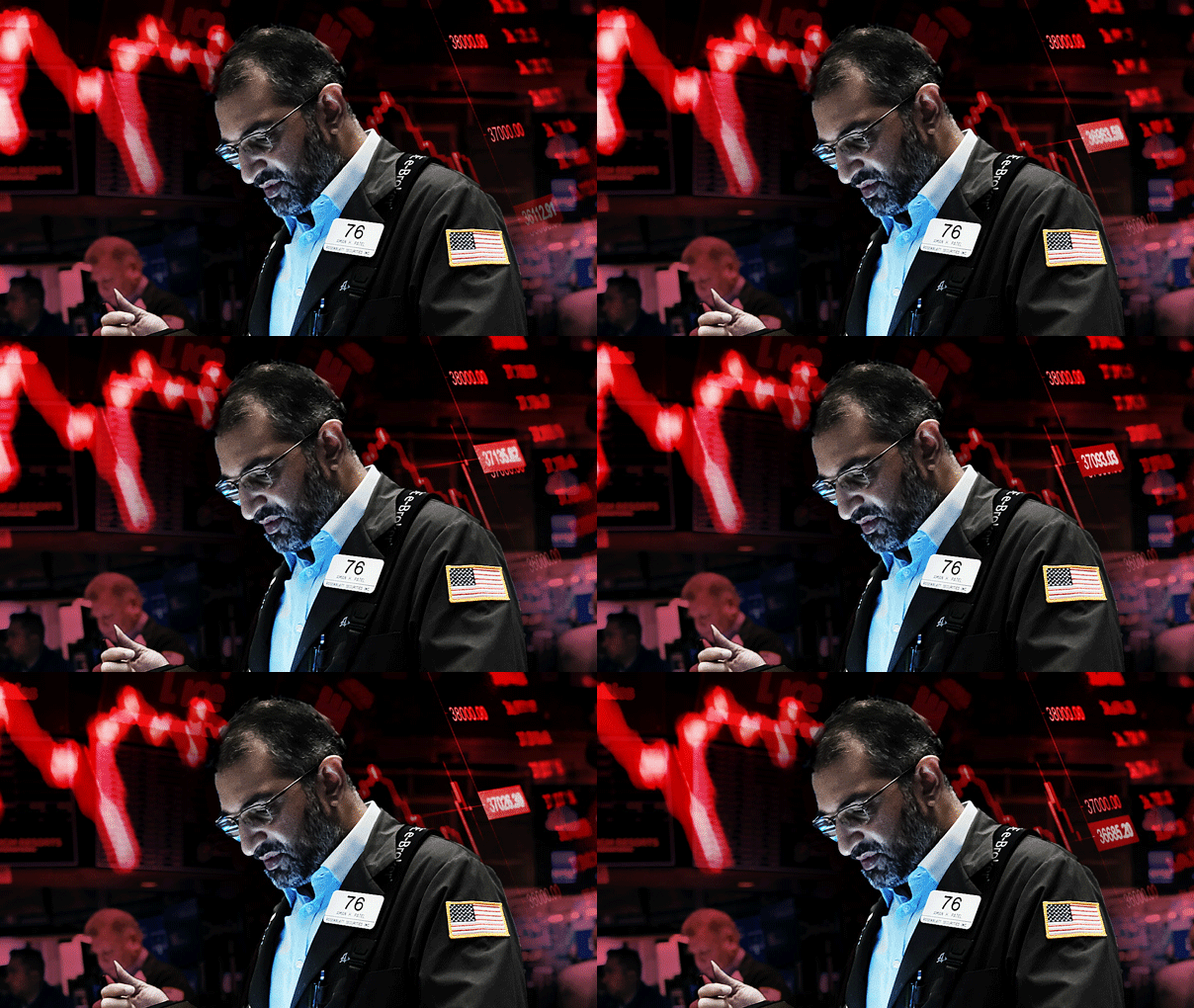
Wall Street got hit hard as investors dumped AI names, semiconductors, and other high-growth favorites after the midterm results shifted the political mood. The Dow and Nasdaq both took brutal losses, with the tech-heavy index sliding into correction territory as traders quickly reset expectations for regulation, data centers, and the next leg of the AI boom.
U.S. stocks fell sharply on Thursday, and the damage was concentrated in the same corners of the market that had been leading the charge for months. The Dow Jones Industrial Average dropped 1,833.06 points, or 3.44%, while the Nasdaq Composite sank 5.52% for its worst session since April 2025. That move pushed the Nasdaq more than 10% below its Oct. 6 record close, which officially puts it in correction territory.
The selling was not some random one-day wobble. Investors were reacting to what the election outcome could mean for the AI trade, especially after Democrats scored sweeping midterm wins and attention turned to possible new limits on data center development. The market had briefly breathed easier the day before, but that relief faded fast once traders started thinking through the policy fallout.
Semiconductors took one of the biggest blows. Nvidia fell about 9.26%, and the Philadelphia Semiconductor Index tumbled more than 12%, a rough reminder that the AI rally has become crowded, pricey, and vulnerable to any shift in sentiment. When a name like Nvidia gets punched this hard, the message is loud and clear: investors are no longer willing to assume every AI-related stock keeps climbing in a straight line.
The pain spread well beyond chipmakers. Meta Platforms dropped 3.96%, Amazon slipped 2.19%, and Alphabet fell 2.20% as the market repriced the broader AI ecosystem, not just the companies making the chips. Data center operators IREN, Applied Digital, and Nebius Group were hit even harder, each losing more than 14% as traders questioned how fast the buildout can really continue.
Power suppliers and equipment names that had been riding the AI infrastructure wave also got swept up in the rout. Companies tied to feeding that enormous appetite for electricity and hardware were suddenly facing a colder reception, with rising costs and tougher oversight looming over the sector. Even Tesla was dragged down, falling about 10.77%, while SpaceX dropped 9.05% in the same ugly session.
One analyst said the market was reacting to the sudden disappearance of the so-called political risk premium that had lifted stocks after the election. The basic idea is simple: if investors think Washington may slow the pace of AI buildout, raise costs, or make approvals more painful, they start cutting back on the names that benefited most from the frenzy. That kind of reassessment can hit fast, and Thursday showed how violent it can be.
Rising electricity prices helped turn data center construction into a political issue during the campaign, and that matters because AI infrastructure is hungry for power on a scale most investors still underestimate. If new projects face more scrutiny or delays, the entire growth story gets less shiny. The market does not wait around when it thinks margins, timelines, and demand projections are about to get tougher all at once.
By the close, the S&P 500 was also deep in the red, falling 4.36% as the selloff spread across sectors and shook confidence well beyond tech. That kind of broad damage usually tells a bigger story than one bad earnings report or one weak headline. Traders were not just selling stocks, they were backing away from a whole narrative that had looked untouchable a day earlier.
Some market watchers said the move looked like classic capitulation, especially for semiconductors and the data center beneficiaries that had been bid up aggressively. When sentiment flips this hard, the follow-through can be messy, with overseas markets often catching the chill next. For now, the message from Wall Street was blunt, and the AI trade suddenly felt a lot less invincible.
