
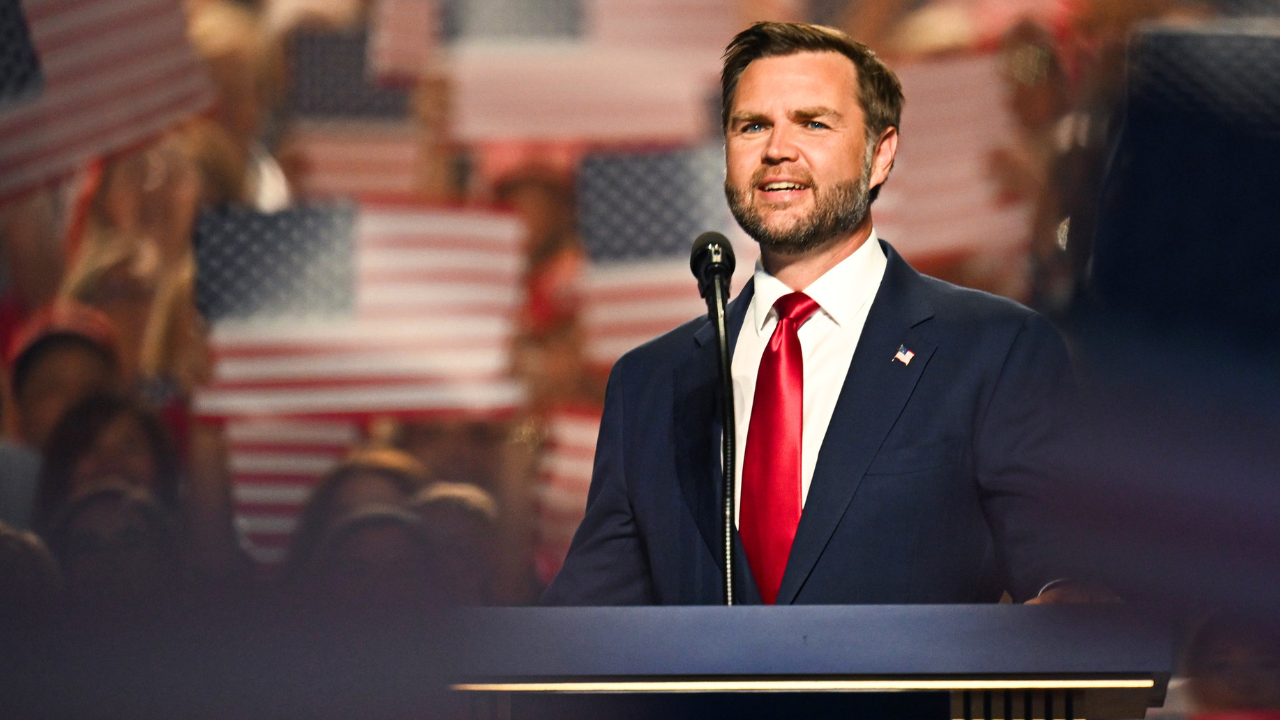
Vice President JD Vance is moving fast to speak to Republicans who feel shaken after a rough election night, and he is doing it with a message that leans into the party’s old instincts while also nudging it in a new direction. The pitch is aimed at Trump voters who still back the president but want a sharper focus on the issues they think matter most: war, costs, borders, and whether the GOP still sounds like itself.
Fox News Digital reported that Vance is looking to build a fresh alliance ahead of the 2028 race, one that pulls in disaffected conservatives without pretending the midterm losses did not sting. He stepped out on his own Wednesday and made it plain that the post-election conversation, at least from his corner, would not be about polishing the edges. It would be about why voters walked away.
One source described a White House meeting meant to get everyone on the same page after the midterm setback, while another said it was simply a routine senior staff meeting. Either way, the timing mattered, because Vance was already putting his own imprint on the moment. He broke with Trump on foreign policy, especially the relationship with Israel, and that alone was enough to get attention across the party.
In a post that drew plenty of notice, Vance put the blame squarely on the war. “The reason we lost is the war,” he wrote. “The president himself said so last night.” He added, “If you’d like to argue it was worth it, that losing the Senate for the next 6 years was worth it, then do so. Argue it was a worthwhile cost to pay. Agree or disagree, that’s at least honest,” before finishing with, “But everyone knows why we lost. And any honest conversation about where we go from here must start there.”
That message was more than a complaint. Vance said a pollster and “one of the smartest people I know in politics” laid out four things that could win voters back: end the war in Iran, concentrate on inflation and the cost of living, stick to America first, and “change our relationship with Israel.” Those points hit a nerve with Republicans who think the party has spent too much time looking overseas while families at home keep getting squeezed.
According to a Trump administration official, that list is now being treated as a rallying cry for the “new right,” a coalition built around the original America First message. In plain terms, that means fewer foreign entanglements, cheaper living for working families, and a harder line on the border. It also means some of the base is ready to say out loud that Trump’s foreign policy, especially on Israel, has gone too far for their taste.
That is where Vance’s approach gets interesting. The official stressed that this is not a break with Trump in the way Mike Pence broke with him after Jan. 6. It is more of a signal to Trump voters who still like the president but feel burned by the direction of his foreign policy. The line being pushed is simple enough: Vance is not running away from Trump, he is trying to speak for the part of the coalition that wants a tougher, narrower, more America-first path.
The vice president has also been one of the few figures in Trump’s circle willing to voice hesitation about the war in Iran. Trump himself said earlier this year that Vance was “maybe less enthusiastic” about attacking Iran from the jump. That distinction is now turning into political currency, especially among Republicans who want a leader who sounds less like a global manager and more like somebody focused on the country’s own problems.
There is also a bigger 2028 shadow hanging over all of this. Vance is already seen as a major contender for the next Republican nomination, alongside Secretary of State Marco Rubio, and every move now gets read through that lens. With Democrats holding a stronger Senate foothold after major wins in places Republicans used to treat as safe, the party’s internal debate is getting louder, not quieter.
The post-midterm math is ugly for Republicans, and that makes the message wars even more intense. Democrats picked up seats in places like Texas, Kansas, and South Carolina, and Alaska remained tight as the count continued. In the House, Democrats already had a comfortable edge, which only deepened the sense among Republicans that the party cannot afford stale arguments or vague slogans.
That is the atmosphere Vance is stepping into, and it is not a timid one. The fight now is over whether the GOP keeps marching with a broad Trump coalition or trims it into something leaner and more grounded in the demands of its most restless voters. Around Washington, that argument is already reshaping loyalties, and the next round is not likely to wait for 2028.
