
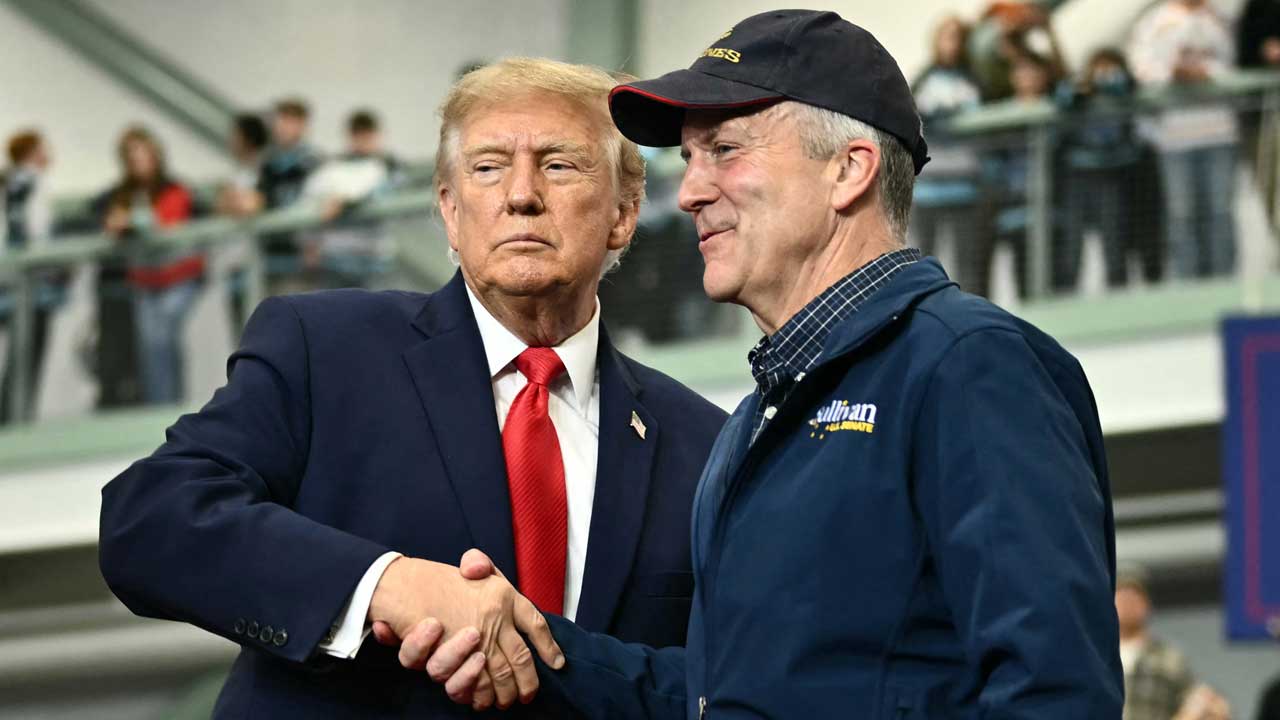
The Alaska Senate race has turned into a legal and political brawl, with the Justice Department trying to stop certification over claims that a confusingly similar candidate was used to muddy the vote. A federal judge shut that effort down, and the dispute now heads to the 9th Circuit as both sides dig in hard. With control of the Senate potentially in play, every twist is carrying extra weight.
The fight centers on what critics have labeled the “Decoy Dan” mess. Republican Sen. Dan Sullivan is facing Daniel J. Sullivan Jr., and federal officials argued the setup may have misled voters enough to affect the result. That claim was serious enough to trigger an unusual bid to delay or block certification while the government examined whether the ballot design and candidate names created real confusion.
U.S. District Judge Sharon Gleason wasn’t buying the request. She said the government failed to explain how it could investigate voters’ intent without breaking ballot secrecy, and she warned that the relief sought would step deep into Alaska’s own authority over elections.
The DOJ quickly said it would appeal, keeping the clash alive instead of letting it fade after the ruling. The government argues the judge leaned too heavily on procedure and never fully confronted the accusation that Sullivan Jr. entered the race to throw voters off. That appeal sends the case into a bigger arena, where the issue could get even more politically charged.
The broader campaign story has only gotten messier. Reporting has suggested that people tied to Mary Peltola’s campaign may have helped bring Sullivan Jr. into the race as a spoiler, a claim Peltola denies. Sullivan Jr. has also denied working with her campaign, but the back-and-forth has already left a stain on the contest and fed the sense that this race is about more than one Senate seat.
Sen. Sullivan said he would accept the outcome of Tuesday’s election, even while the Trump administration pushes a criminal investigation tied to Sullivan Jr.’s candidacy. He has openly accused the challenger of trying to confuse voters, which has become the core of the Republican argument in the case. In a state where margins can be thin and ballot choices matter a lot, that accusation lands with real force.
Alaska’s election system gives the story even more bite. Ranked-choice voting can shift a race quickly when no one clears a majority right away, and the last-place finisher gets knocked out before voters’ next picks are counted. In a tight statewide race, that process can magnify every strategic move, every name on the ballot, and every whisper of voter confusion.
The controversy has also kept attention on Alaska Gov. Mike Dunleavy, who has been probing the broader election scandal and warning that a deeper flaw may be hiding in plain sight. The state’s handling of the race, the federal lawsuit, and the criminal inquiry have all collided at once, turning the contest into a test of trust as much as a test of votes. With the Senate balance hanging in the background, the pressure around this race is not going away anytime soon.
