
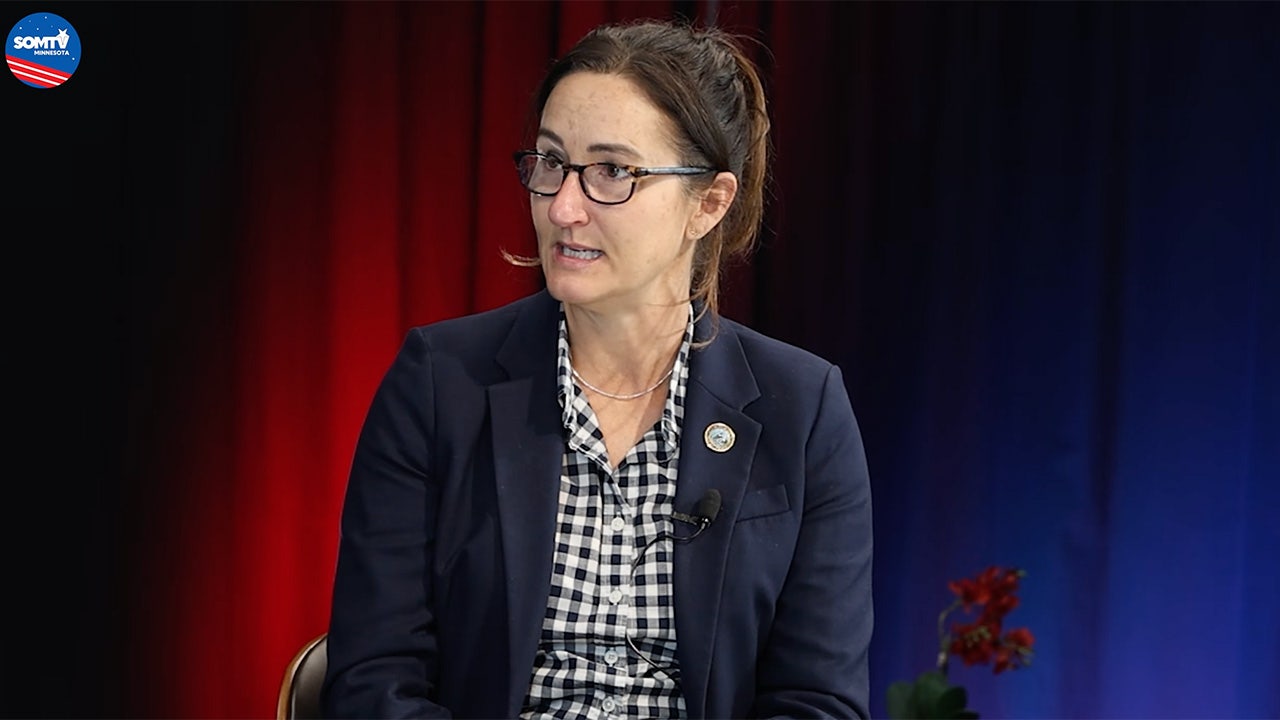
Minnesota’s voter rules are back in the spotlight after a state outreach official’s TV appearance sparked a loud online fight over election integrity. The clip, which focused on same-day registration and what voters need to bring, set off a wave of criticism from conservatives who argued the message made voting feel too easy.
Melanie Hazelip, Minnesota’s voter outreach director, explained on Somali TV of Minnesota that already registered voters do not need to bring anything with them when they go to vote early. She said they can head to an early voting site, often a county office or city hall, and in larger places may have additional options such as libraries or community centers.
She also laid out the options for people who are not yet registered. According to her remarks, a Minnesota ID that is up to date can be enough, and voters without that can still use other documents listed by the state to register the same day.
That explanation matched Minnesota law, but the reaction online was anything but calm. After conservative influencer End Wokeness posted the clip, the video spread fast and drew nearly a million views, with critics saying the state has built a system that is too loose for its own good.
One of the sharpest responses came from retired Navy intelligence officer Phillip C. Parrish . He argued that the state was advertising a low-friction path to the ballot and said the setup invited abuse rather than trust.
Federalist Society co-founder David McIntosh also blasted the message, saying Democrats were working to show non-citizens how to get away with voting. Other critics piled on with shorter reactions, including, “How is this not election interference?” and “Nothing to see here, I’m sure,” from Red Ax Strategies President Matthew Brodsky .
Conservative commentator Riley Gaines tied the controversy to the SAVE America Act, arguing that stronger safeguards are needed. The tone of the backlash reflected a bigger frustration among critics who believe Minnesota’s rules rely too much on trust and too little on proof.
The Minnesota Secretary of State’s office pushed back, saying it regularly shares election-law information with nonpartisan community groups and that Hazelip gave accurate information. The office said her comments were misrepresented online, and it stressed that its focus remains making sure eligible Minnesotans know how to vote.
Still, the timing of the appearance raised eyebrows. Bill Glahn, a policy fellow at the Center of the American Experiment, said Hazelip should have been more direct about citizenship requirements, especially given the audience and how close the election was.
Glahn also pointed to the state’s broader policy choices, including a 2023 law signed by Gov. Tim Walz that created driver’s licenses for all, regardless of immigration status. Critics say those licenses, which do not mark citizenship, can be used in the same systems that allow same-day voter registration.
Under Minnesota law, registered voters can vouch for up to eight others who want to register without an ID, as long as they go with them and sign an oath confirming residency. Supporters call that a practical access measure, while critics say it opens the door to abuse because the system depends on an honor code.
Glahn has been blunt about that gap, saying state safeguards sound good on paper but do not always stop bad actors. He compared it to a rule that is technically illegal but still gets broken, and said a signed oath does not guarantee the person standing there is who they claim to be.
https://x.com/phillipcparrish/status/2115091483149701246?a=uEh40Dz8oOUunTed7cA&s=20
The debate landed in the middle of a year already rattled by fraud concerns tied to Minnesota’s Somali immigrant community. State officials are also dealing with fallout from major social services fraud cases, which has made every discussion of verification and eligibility more combustible.
Adding fuel to the fire, a federal indictment in September charged an illegal immigrant from India with falsely claiming to be a U.S. citizen in order to vote in Minnesota’s 2024 general election. For critics, that case made the state’s relaxed registration rules look less like convenience and more like a warning sign.
