
Checklist:
- Federal court ruling on Maurene Comey’s firing
- Rejection of the administration’s Article II theory
- Back pay and reinstatement ordered
- Limits on executive power under civil service law
- Connection to James Comey and prior DOJ cases
An Obama-appointed federal judge in New York struck down the Trump Justice Department’s move to fire Maurene Comey, saying the government crossed a legal line and tried to stretch presidential power too far. The ruling put a hard stop on the administration’s argument that Article II gave the attorney general broad removal authority, and it sent Comey back into place with back pay attached.
The Justice Department did not say the firing was based on poor performance or misconduct. Instead, it leaned on a sweeping constitutional theory, claiming the attorney general could remove assistant U.S. attorneys under Article II, even without cause.
Judge Jesse Furman was not buying it. He wrote that the government’s reading of the Constitution “flies in the face of nearly two centuries of Supreme Court precedent,” and warned that accepting that approach would “unsettle the very equilibrium established by this nation’s constitutional system.”
That language cut straight to the heart of the fight. The judge said Congress had placed real limits on the removal of assistant U.S. attorneys through the Civil Service Reform Act, which generally requires cause and basic due process protections before a government worker can be shown the door.
In Comey’s case, those protections were not there. The court found that she got no advance notice, no real chance to respond, and no valid explanation tied to misconduct or poor job performance.
The order also put her back on the payroll retroactively through Dec. 20, 2025, the date she took another job. A DOJ spokesperson said the department disagreed with the decision and planned to appeal it in “due course.”
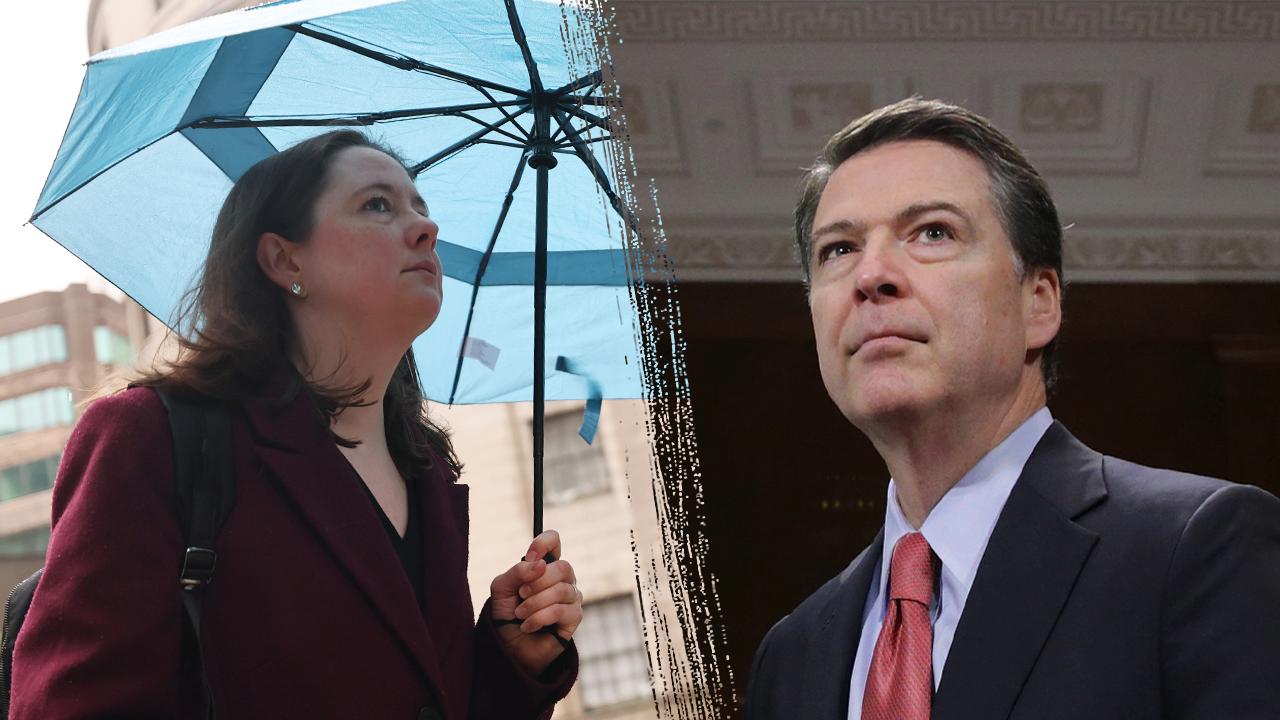
Maurene Comey had spent about a decade in the Southern District of New York, building a résumé packed with major cases. She worked on the prosecution of Ghislaine Maxwell, linked to Jeffrey Epstein, and later helped prosecute the sex trafficking case against rapper Sean “P. Diddy” Combs.
Her name has also stayed in the public spotlight because of her father, former FBI Director James Comey. He was fired by Trump in 2017 during the Russia collusion investigation, and later drew attention for posting a beach photo that critics said carried a political threat toward Trump.
The judge in this case, also a former federal prosecutor in Manhattan, knows the terrain well. Furman once worked in the same U.S. attorney’s office where both Comeys built their careers, which gives this ruling a certain inside-baseball edge without changing its legal punch.
That punch matters because the opinion does more than settle one personnel dispute. It pushes back on a broader claim of executive authority that would have made it easier for the White House to sweep aside long-standing protections for federal workers whenever it wanted.
Comey’s lawyers called the result hard-earned and cast it as a win for civil servants who expect the rules to mean something. Their statement leaned into the same theme the judge emphasized, that the president is powerful but not untouchable, and that the system still runs on checks and balances.
The fallout now shifts to the appeal process, where the administration will try to revive its theory and the court fight will keep moving. For now, the ruling lands as a sharp reminder that federal employment law and constitutional power still collide hard when the White House tries to redraw the rules on its own.

2 Comments
The Constitution expressly forbids Congress from assuming powers it gives to the executive branch. Every member that voter for the bill committed treason.
NO sorry Pres was right